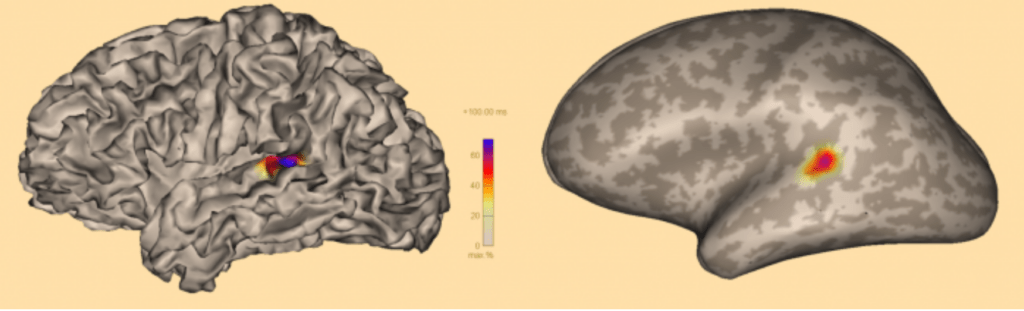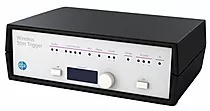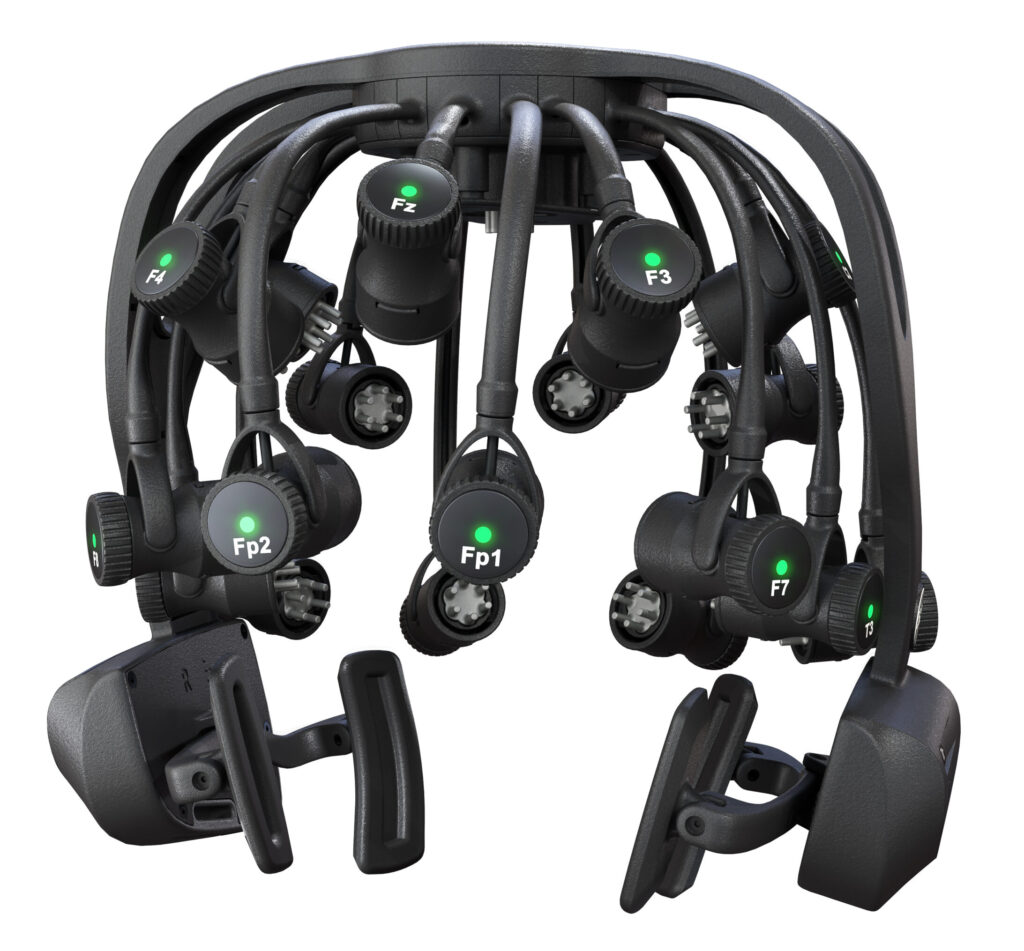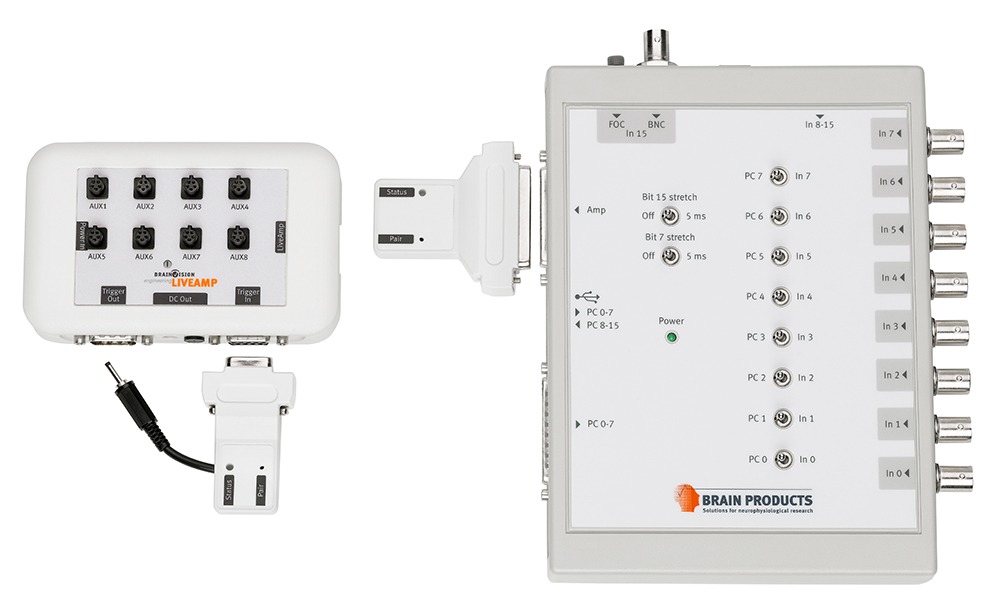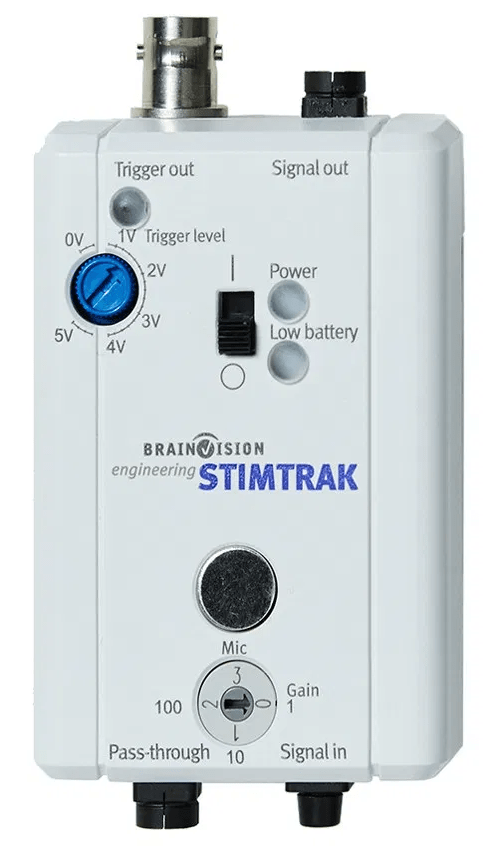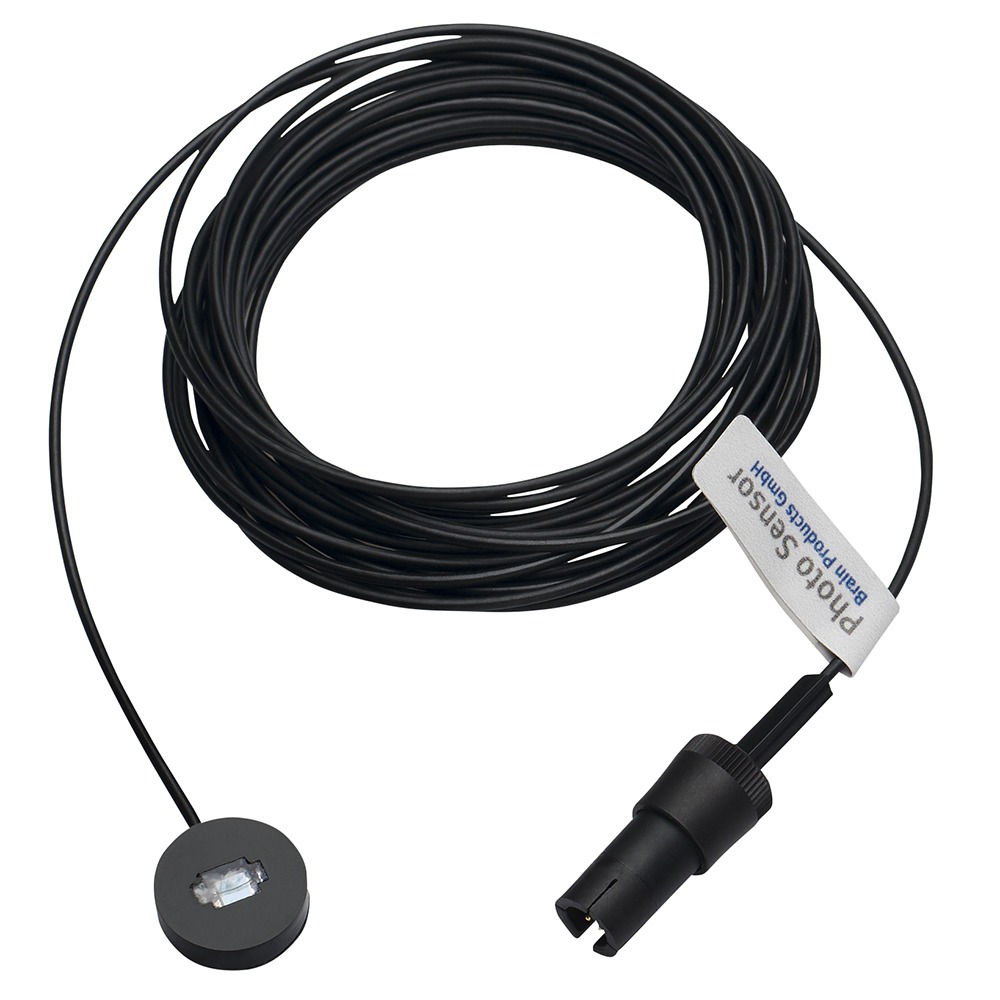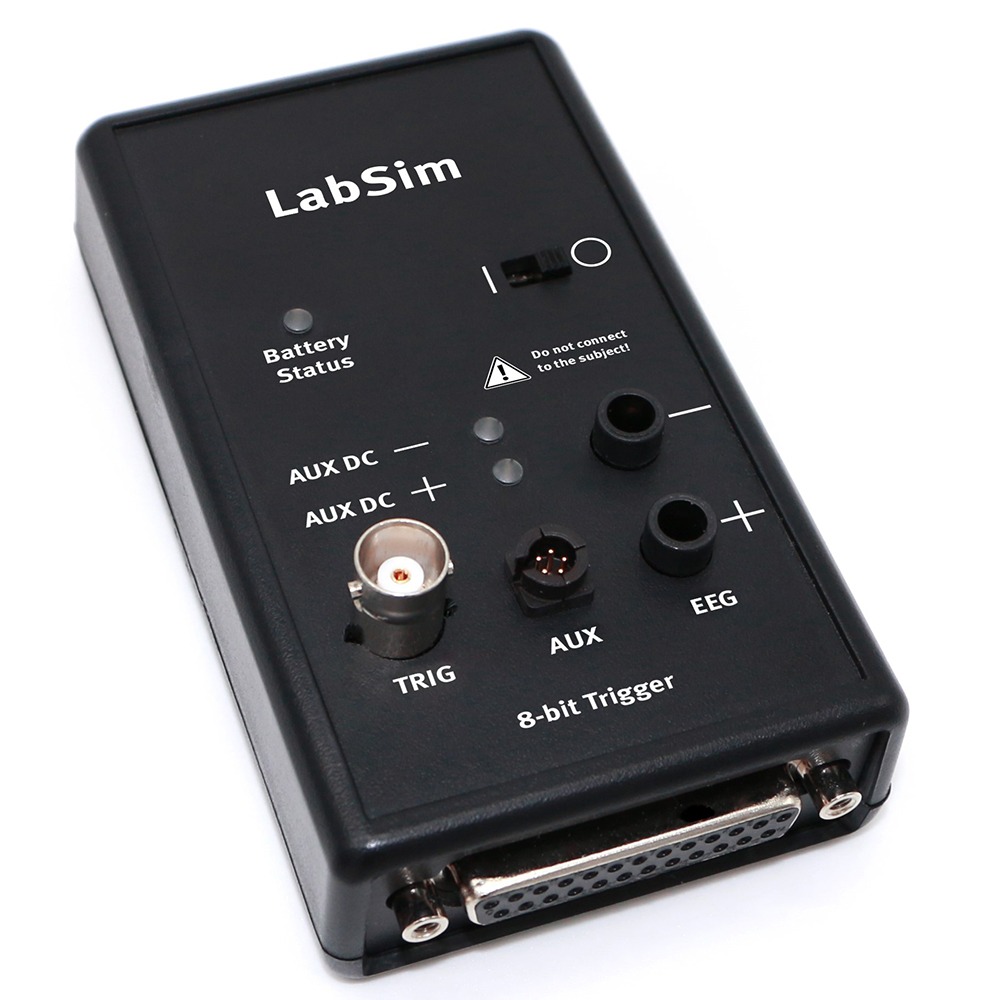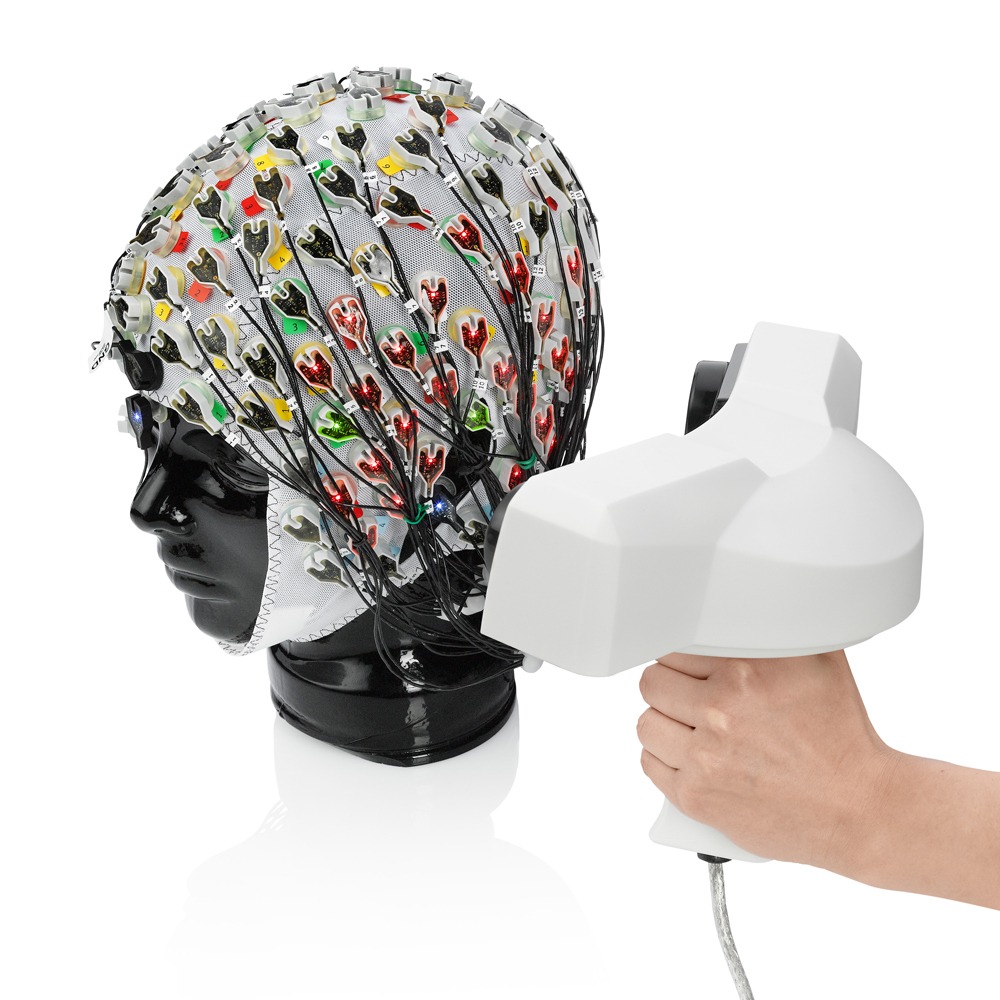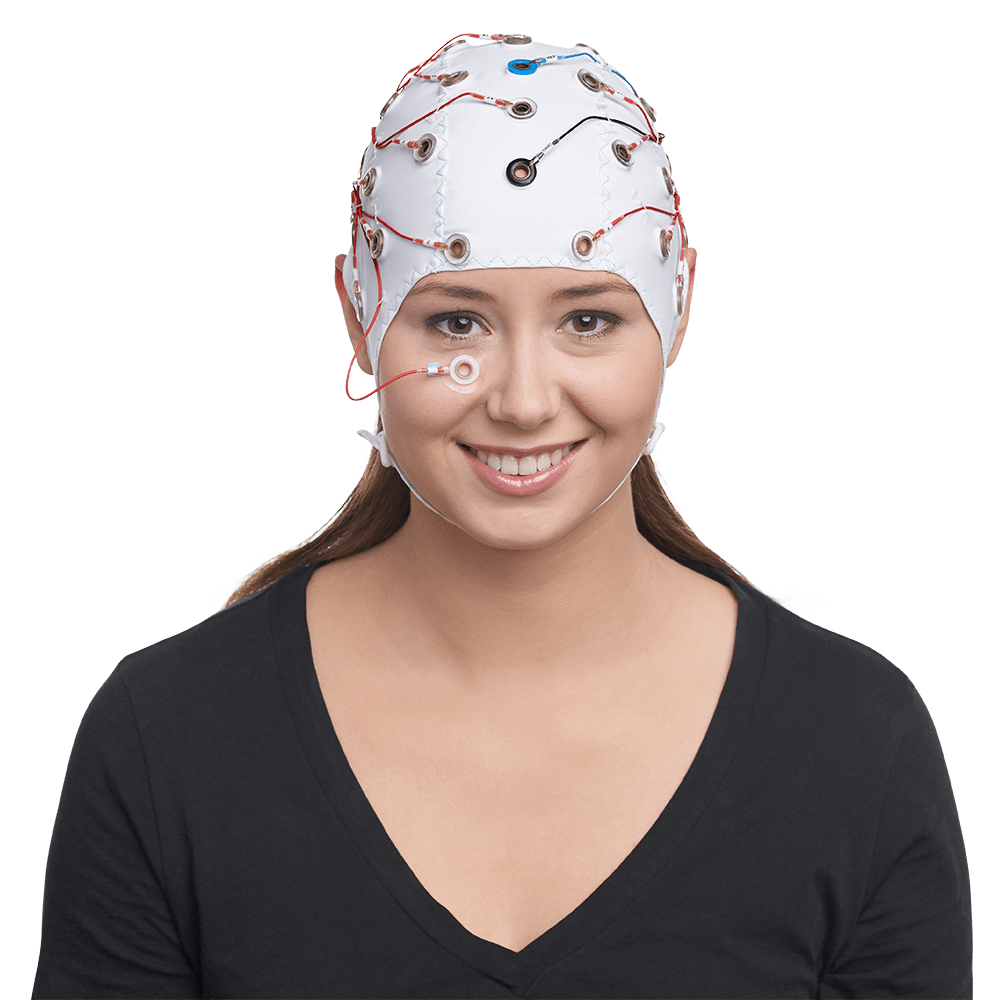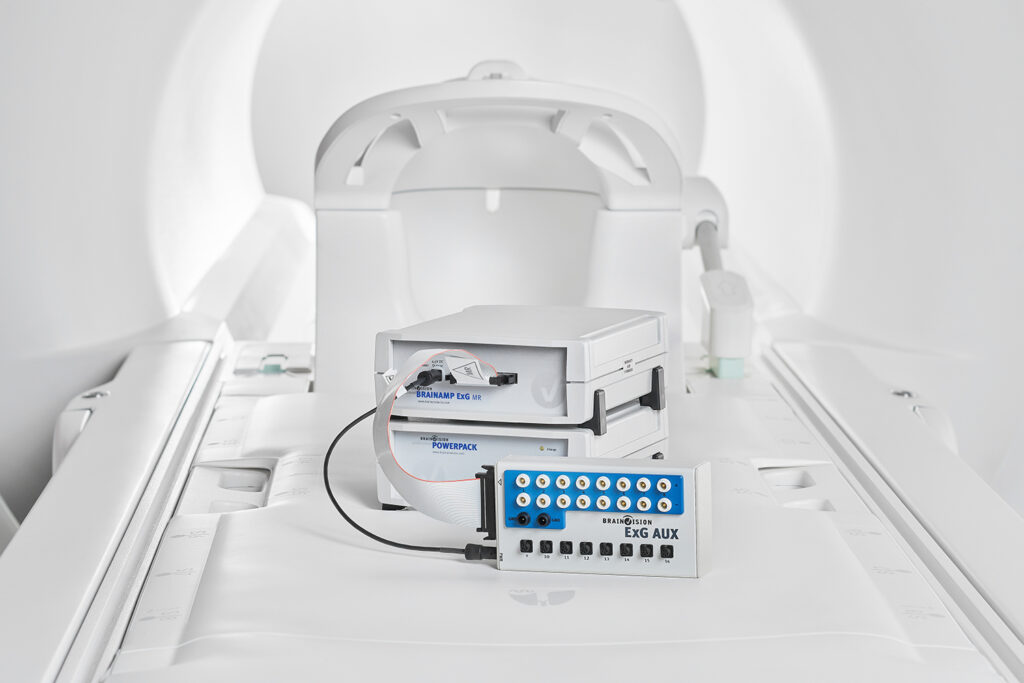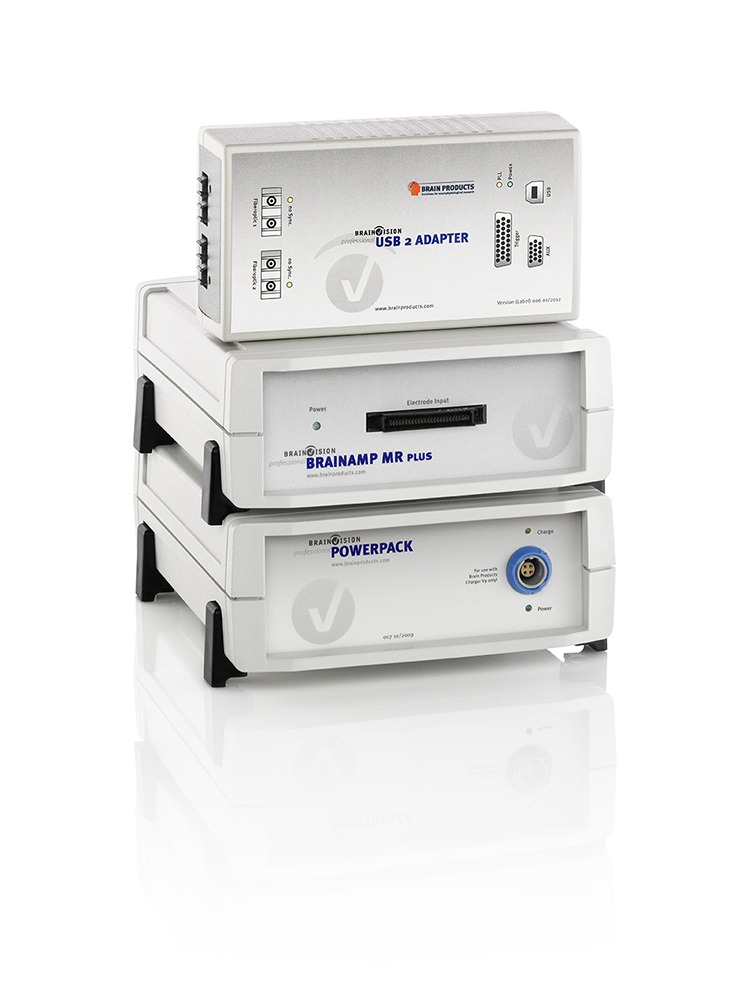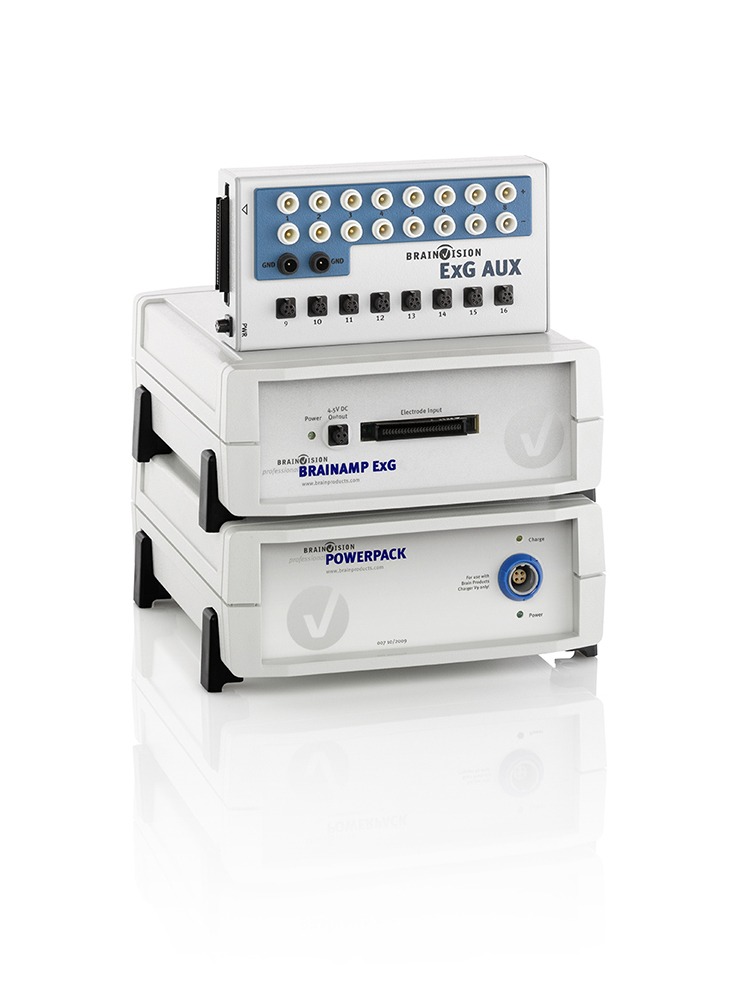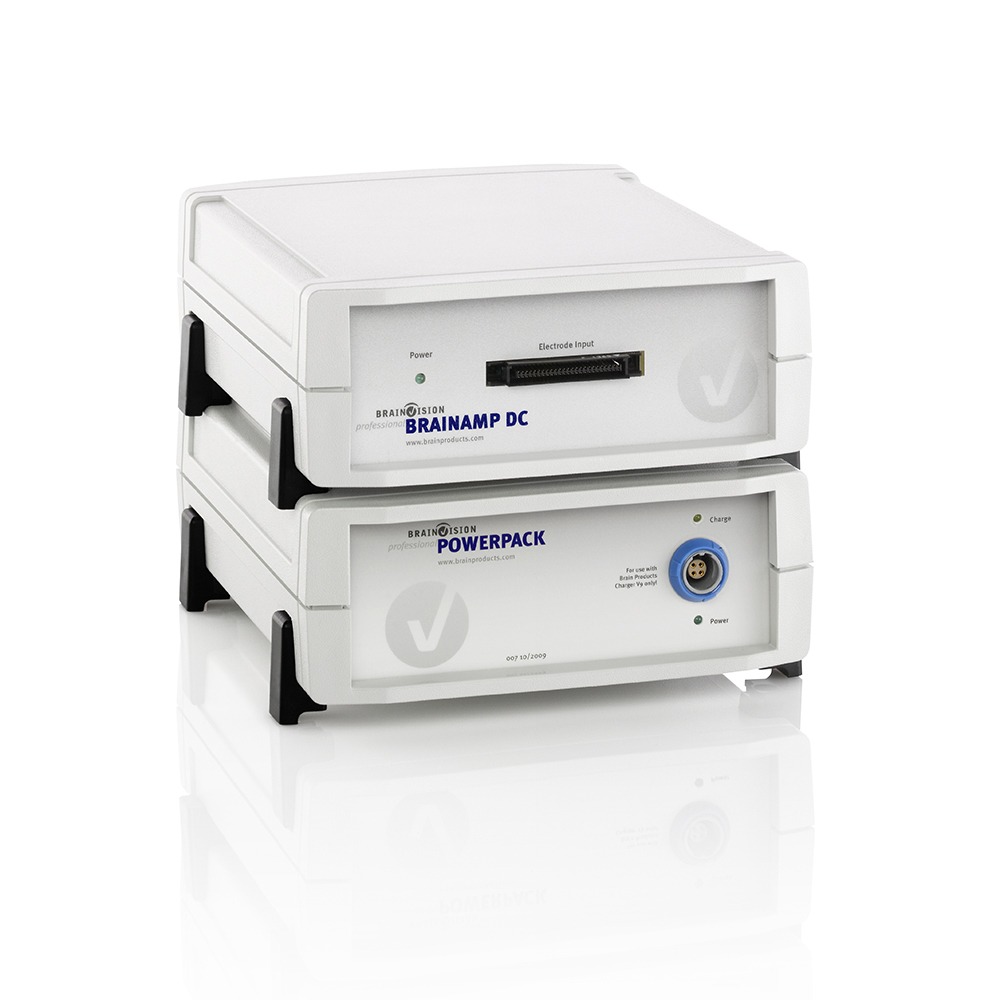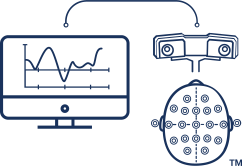
An event-related potential (ERP) or evoked-potential (EP) is a stereotyped neurophysiological response to an internal (e.g., thought or emotion) or external (e.g., image or sound) stimulus. Often, to record a reliable ERP, a stimulus is presented multiple times (i.e., trials), and the resulting waveforms are averaged to obtain a neural signature that is time-locked to the presentation of the stimulus in question. One strength of ERP is its high temporal resolution, allowing researchers to answer questions about how the brain processes information within milliseconds of stimulus presentation. Being able to reliably measure the onset of the ERP-eliciting stimulus is central to both the collection and interpretation of ERP data. We offer several solutions to ensure that the stimulus presentation is captured and embedded within the EEG data, which streamlines data pre-processing and ERP generation. There is also increasing interest in recording ERPs with as few trials as possible. Collecting clean EEG data is critical to reducing the number of trials needed to record an ERP, and a major contributor to being able to collect clean EEG data is having the right hardware and software for your research program.