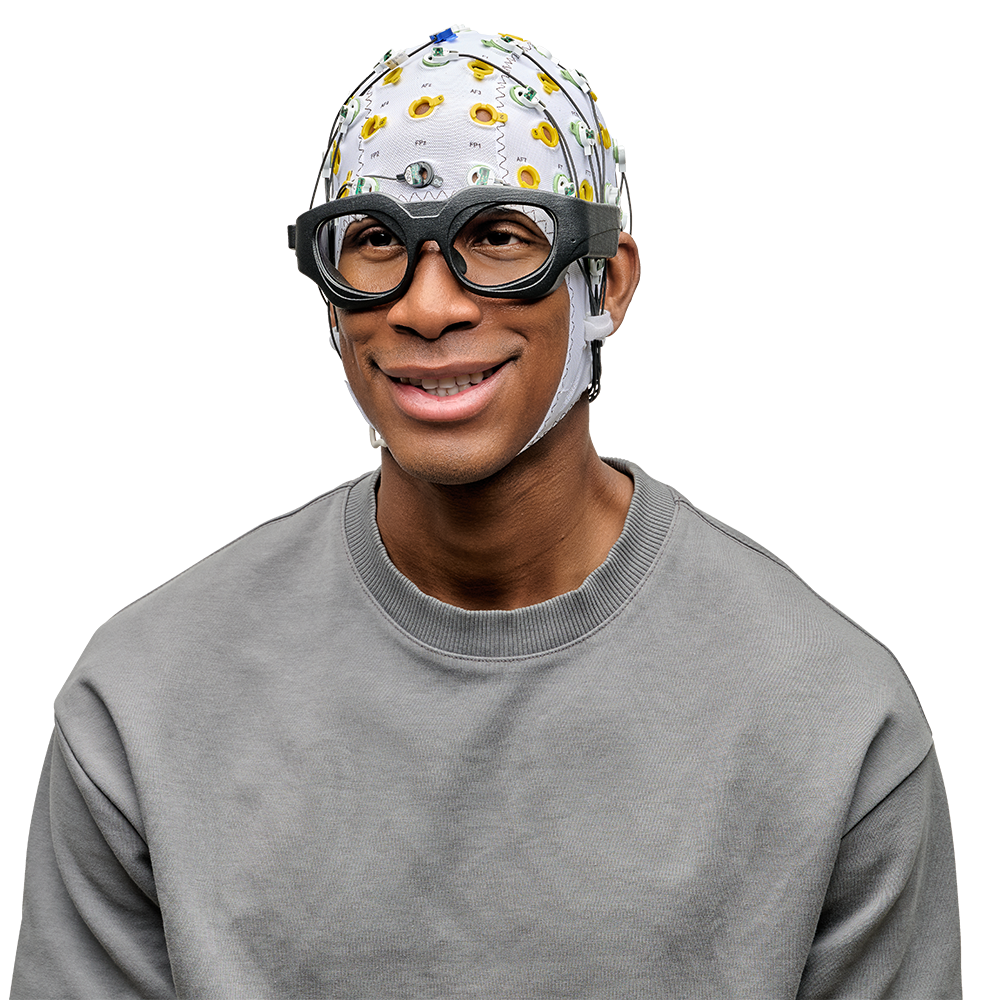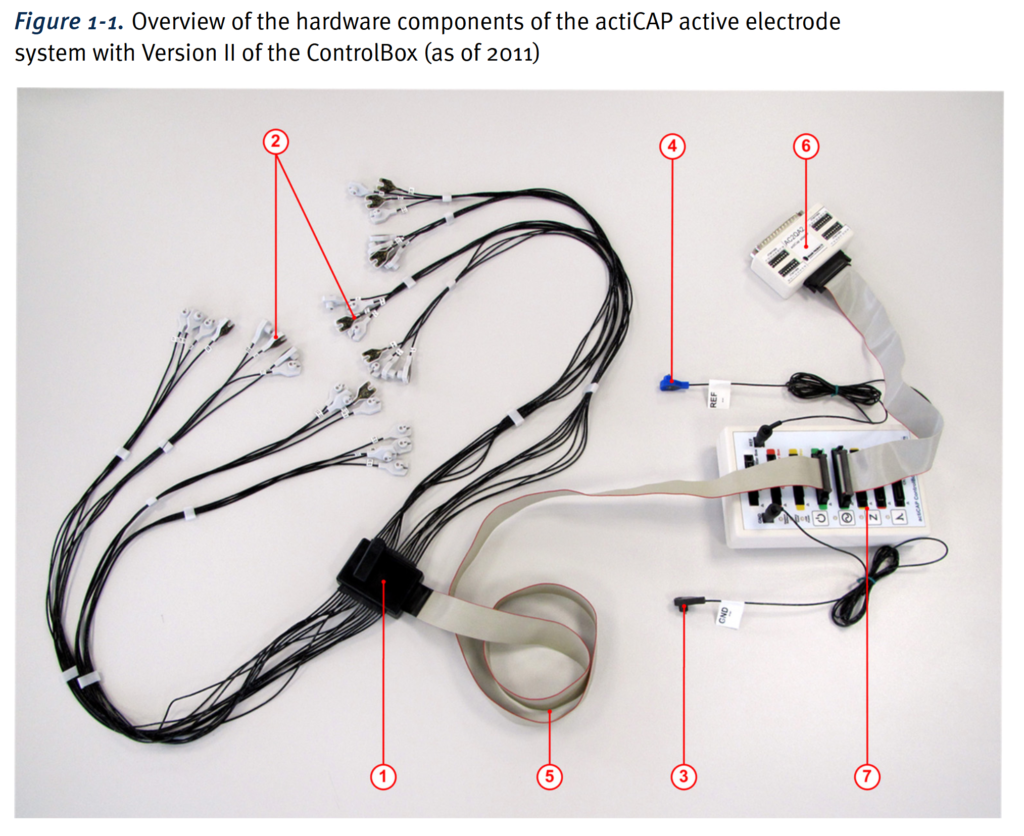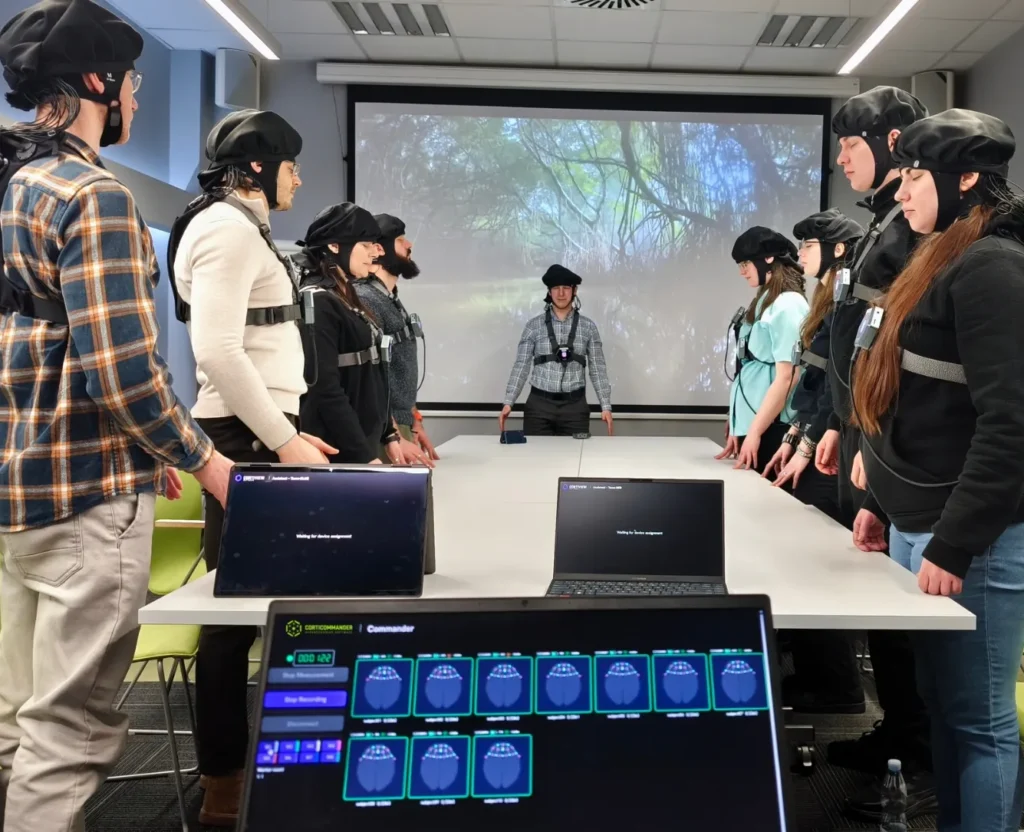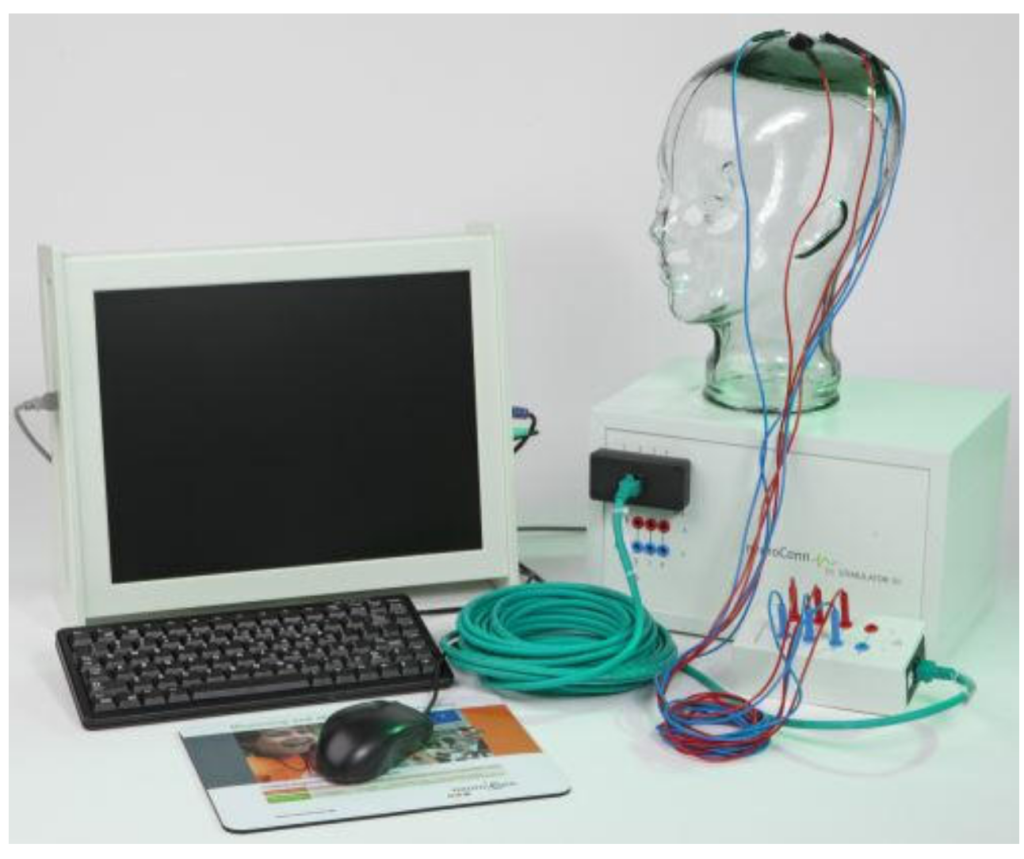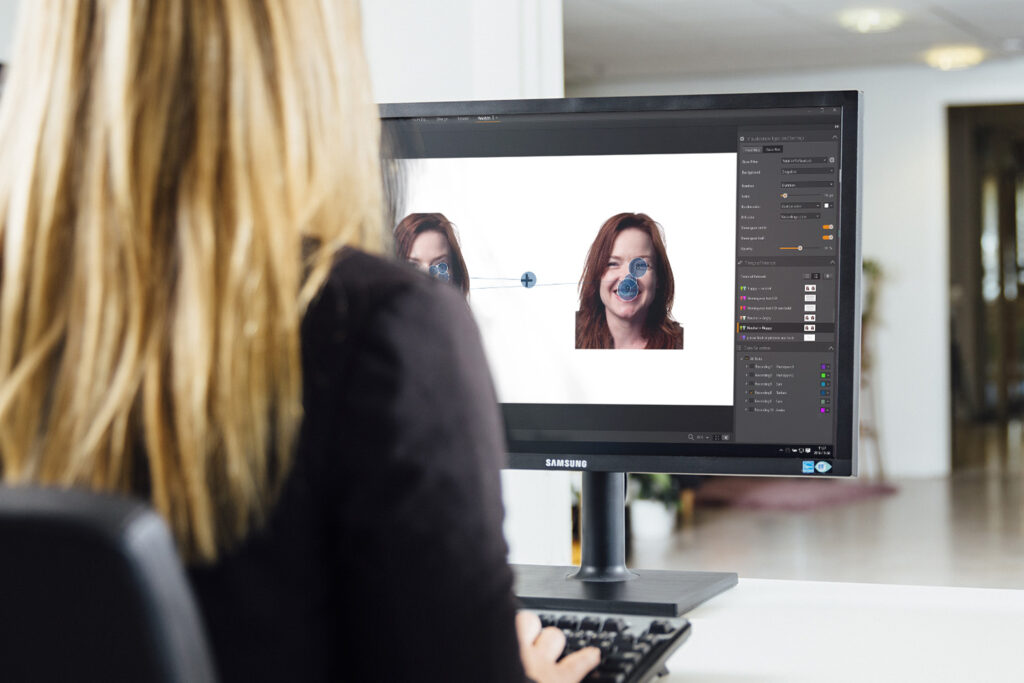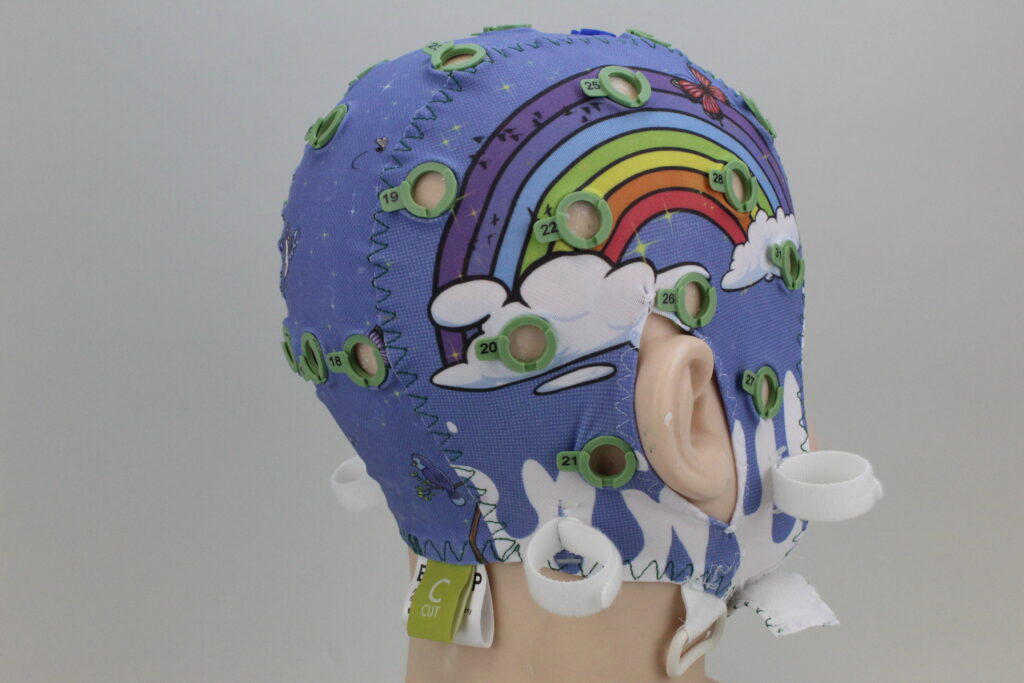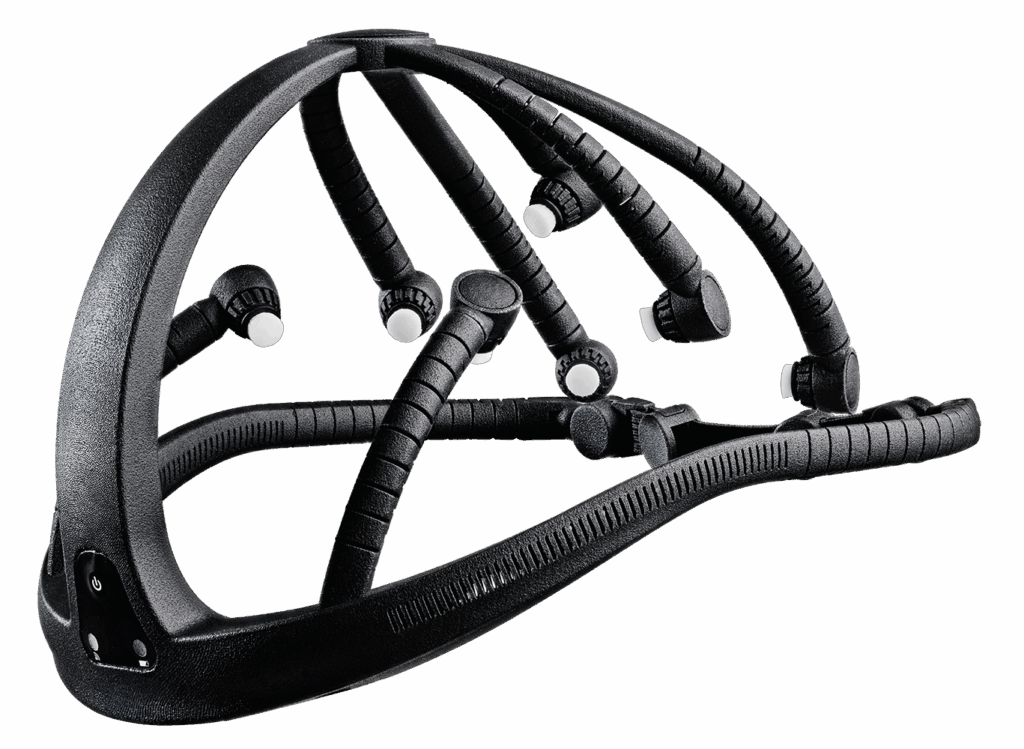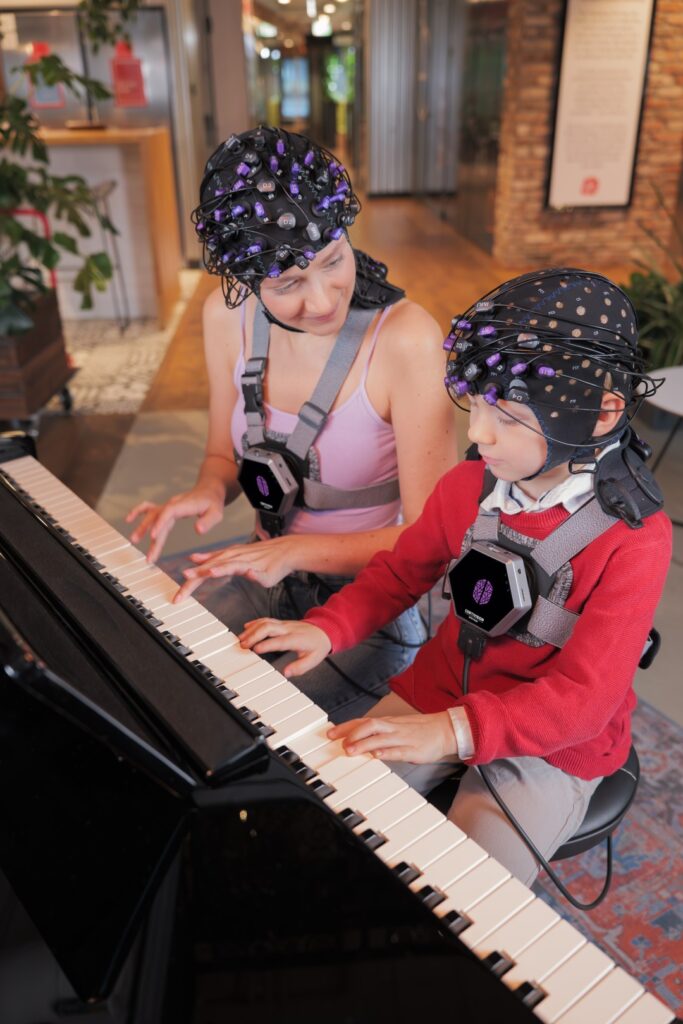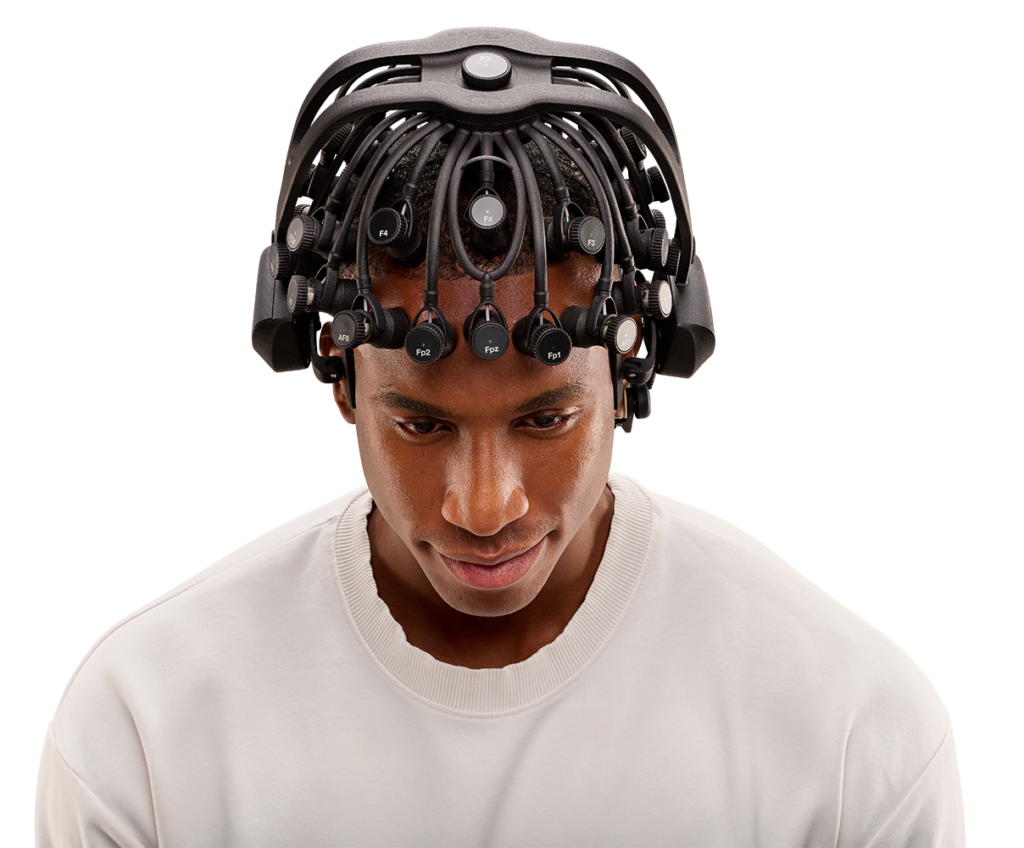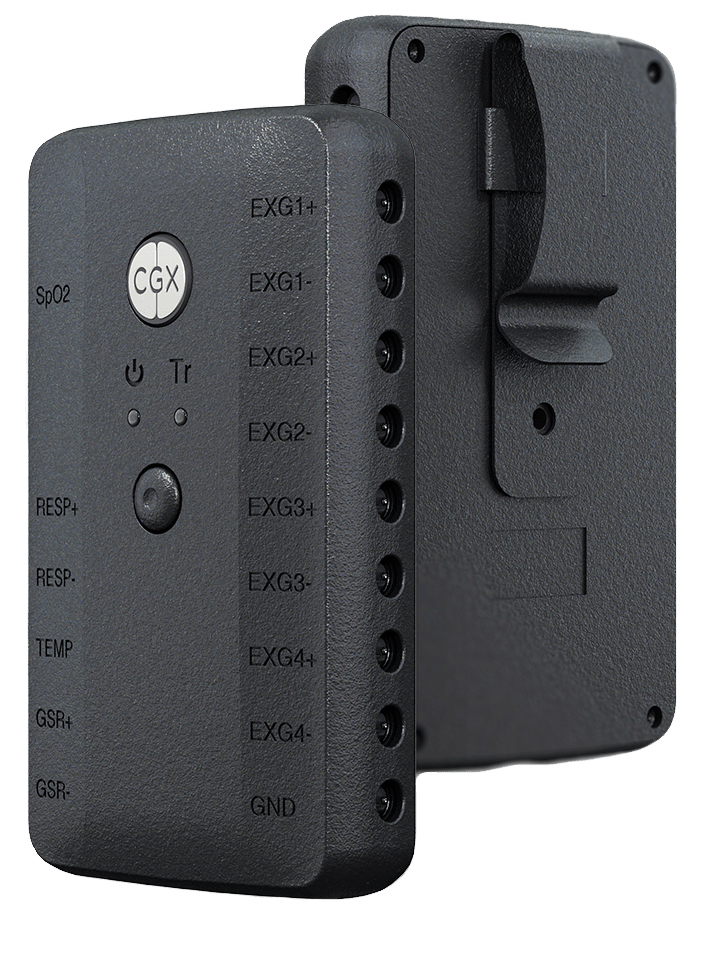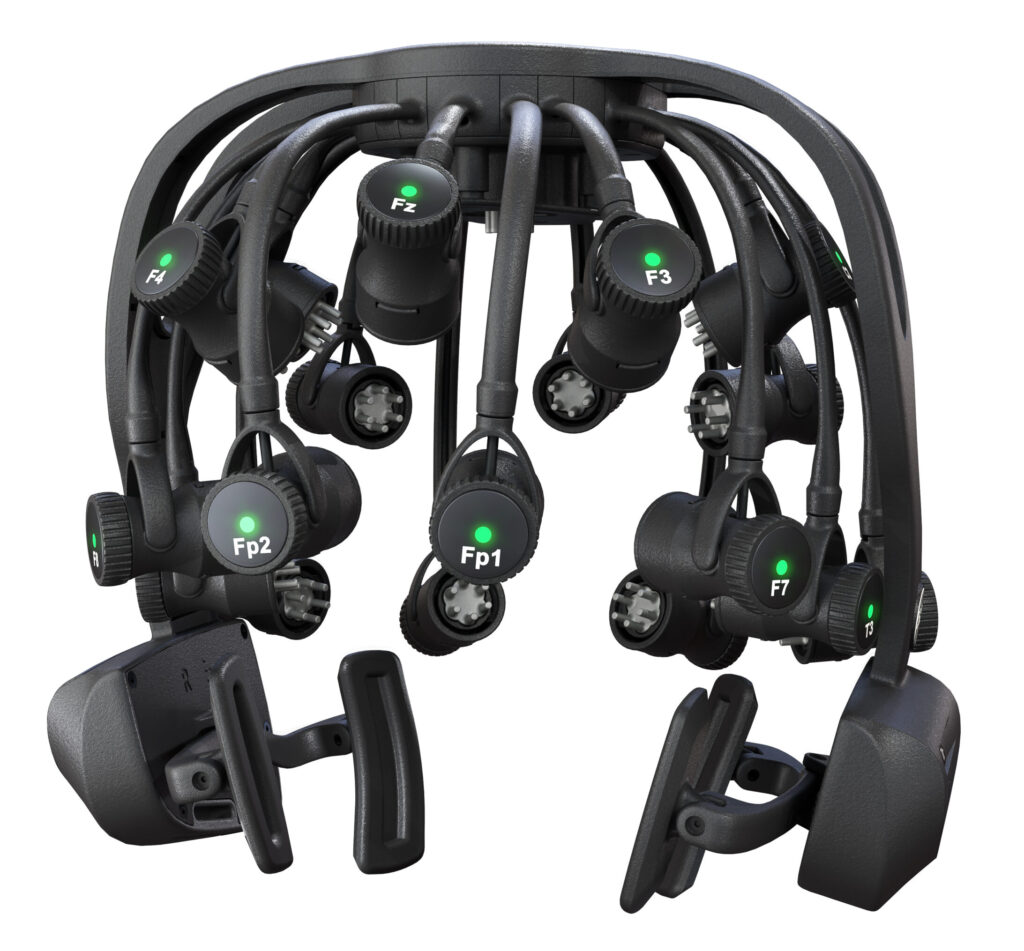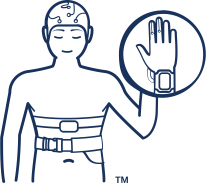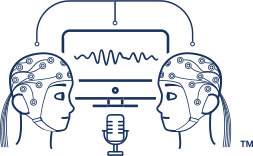
Hyperscanning involves recording brain activity from more than one person at the same time. There are many advantages to these types of paradigms – particularly when it comes to understanding changes in cognition and behavior associated with social interactions and child development. Participant mobility, although not essential for hyperscanning studies, is helpful for recording brain activity in more real-world environments. We offer hyperscanning solutions for both electroencephalography (EEG) and functional near-infrared spectroscopy (fNIRS), and the combination of the two methods. One challenge of hyperscanning paradigms is being able to synchronize the delivery of event markers across multiple devices. To address this challenge, we offer reliable trigger solutions that help eliminate the guesswork associated with verifying the timing of stimulus presentation. Another challenge of hyperscanning paradigms, particularly when relying on wireless data transmission, is the number of systems that can be in the room at the same time. Our systems allow for multiple modes of data acquisition, including the ability to save the data to a microSD card onboard the device. This ensures that no data are lost, even if the wireless transmission is interrupted.