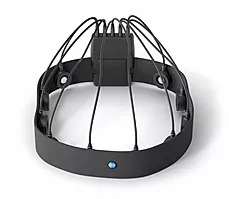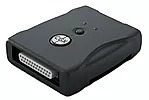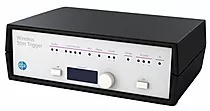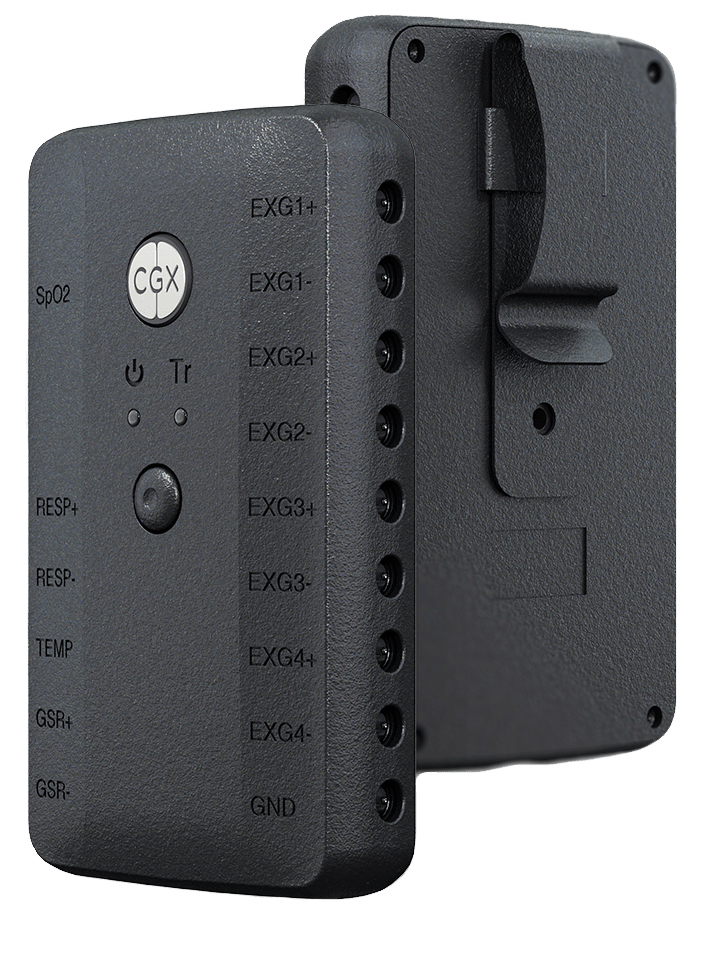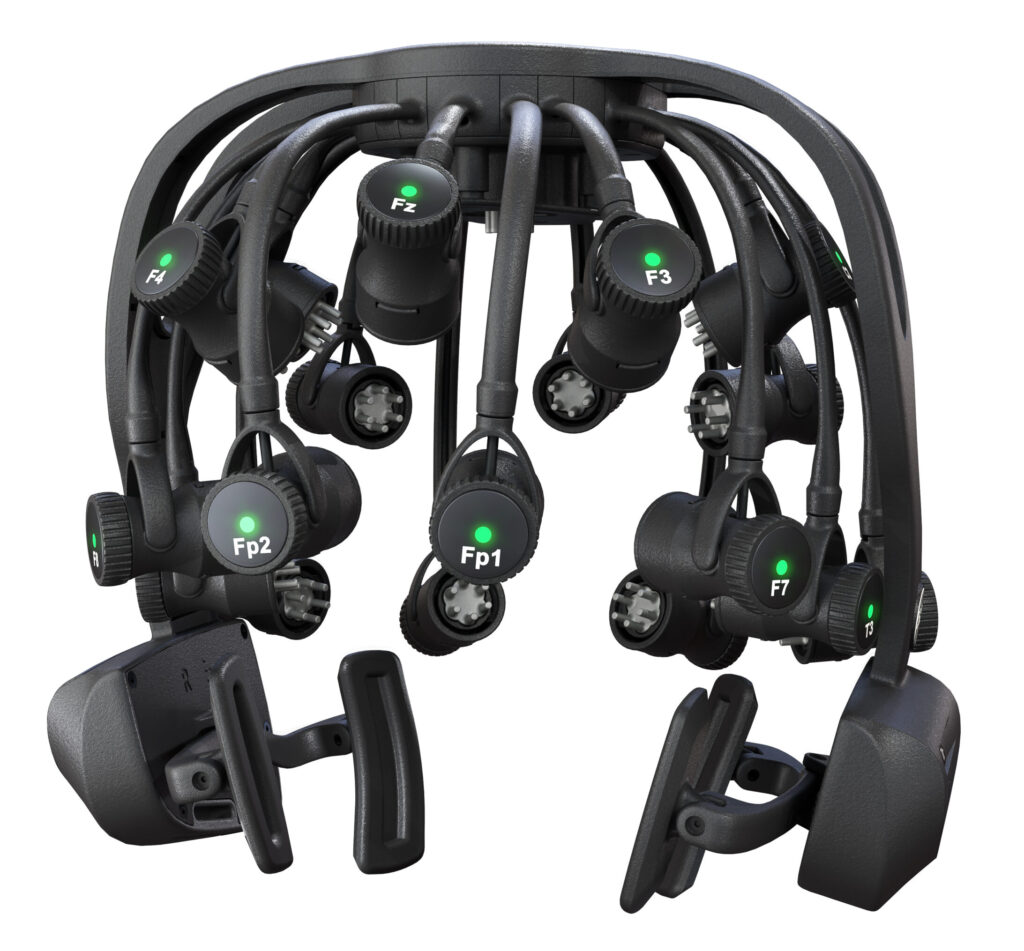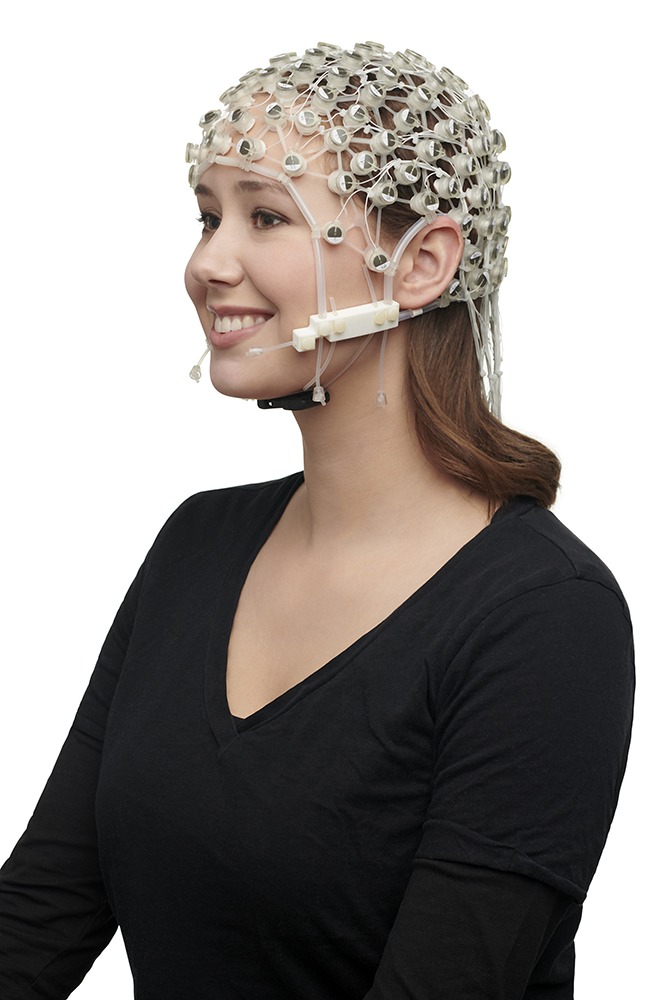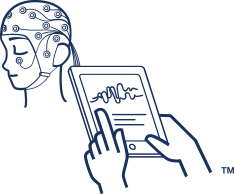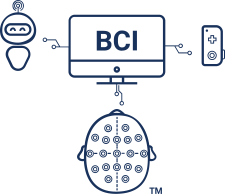
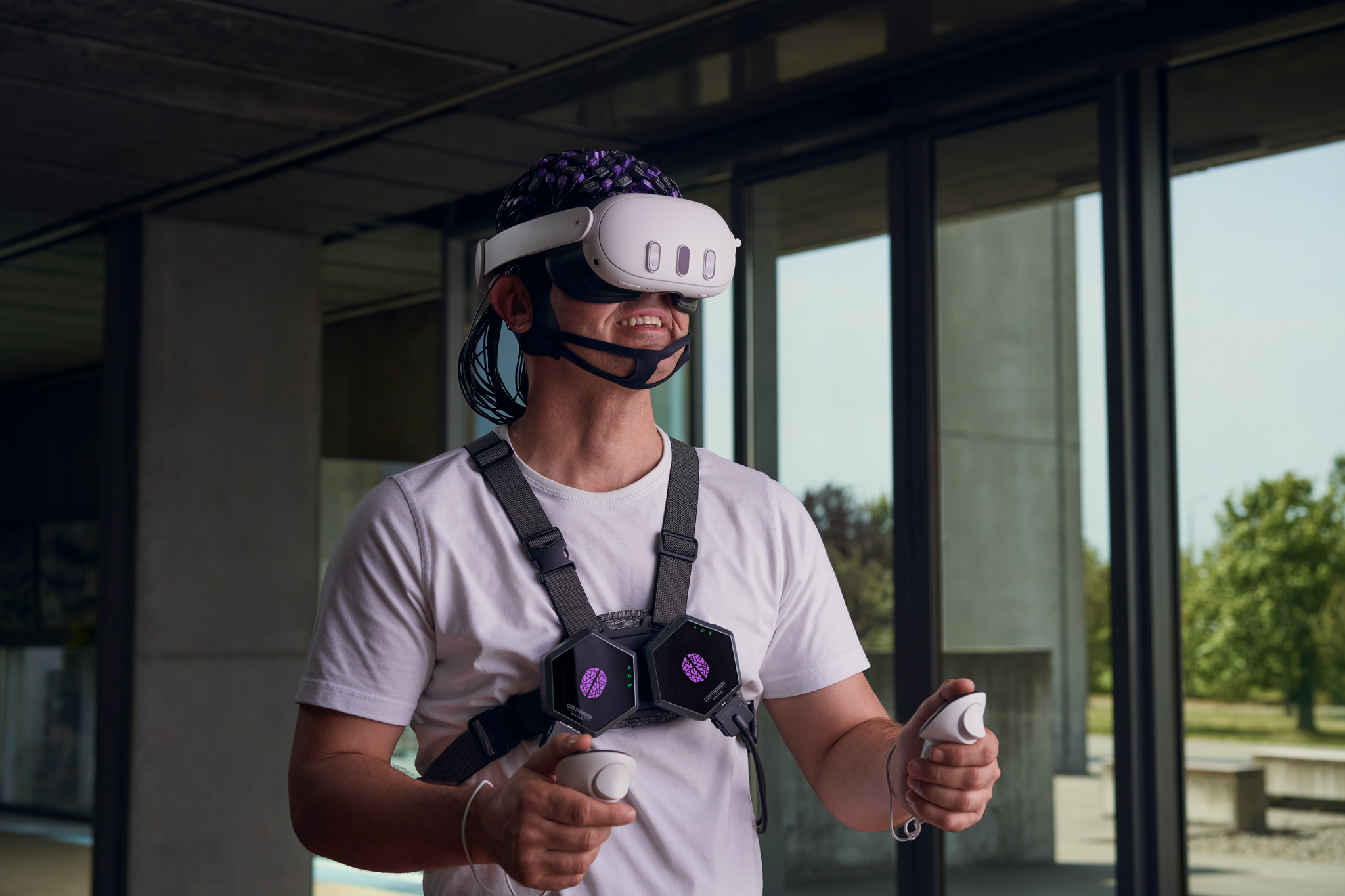
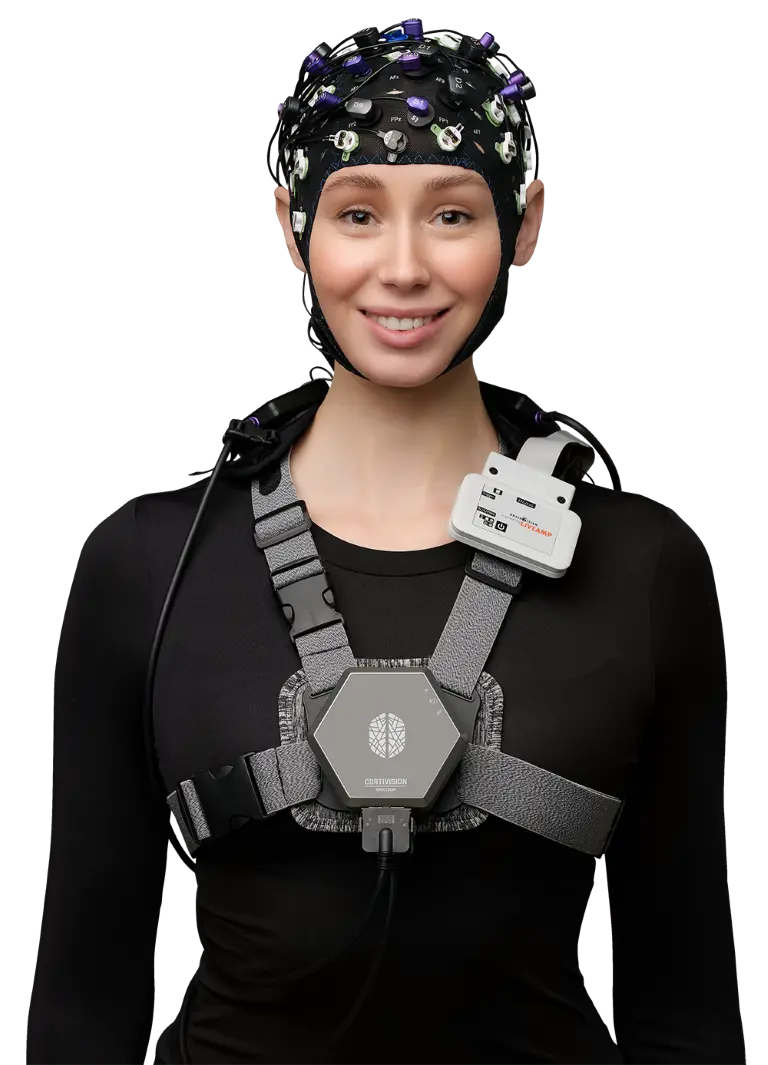
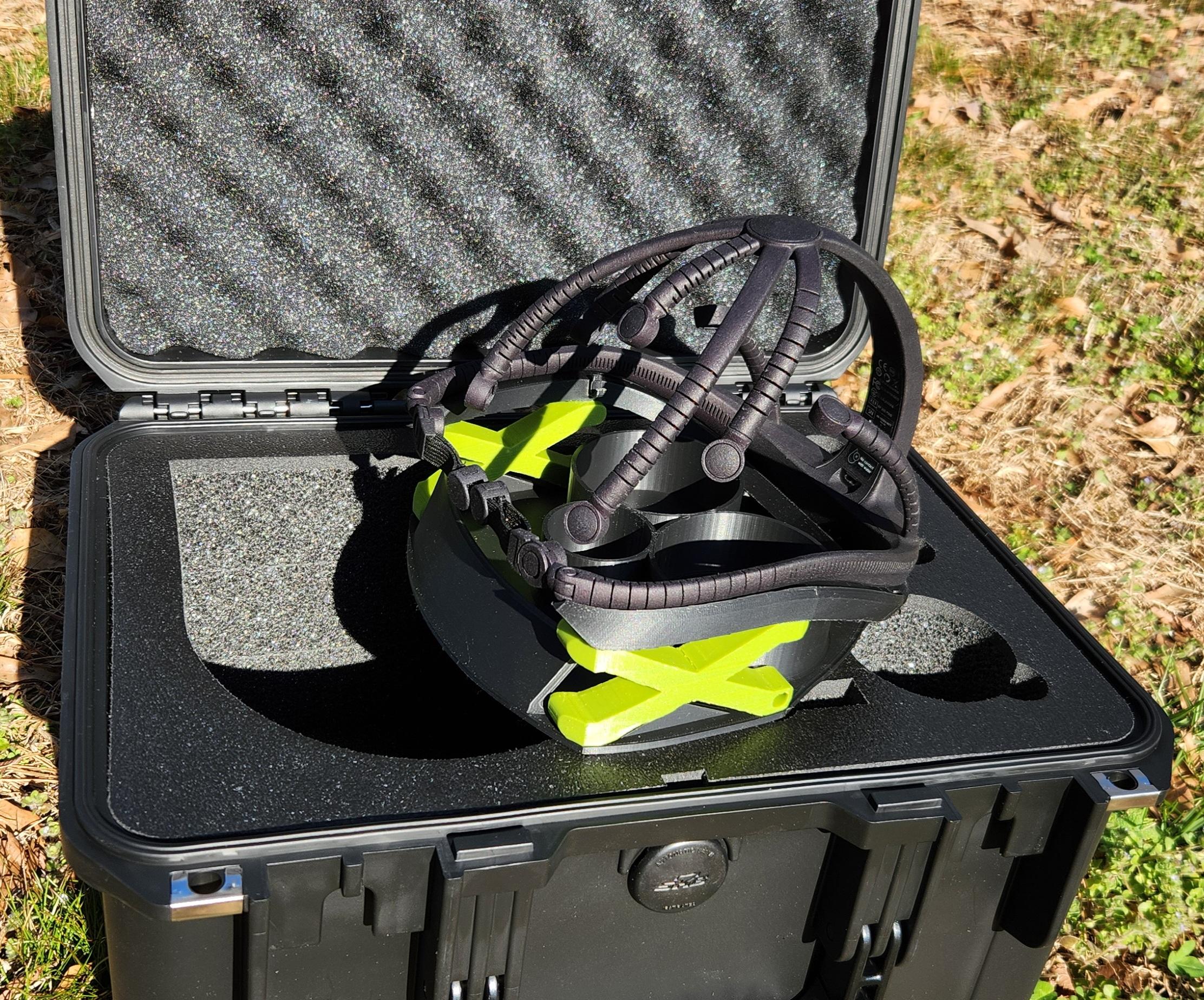
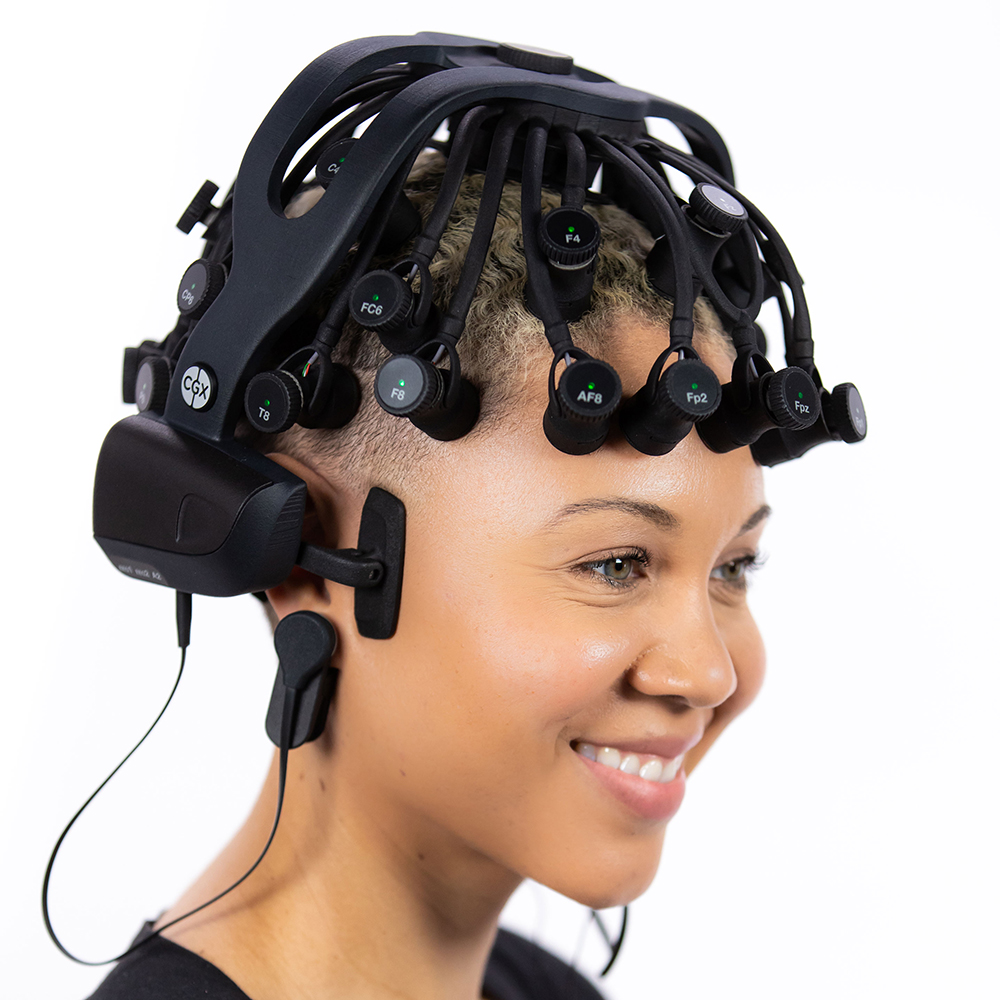
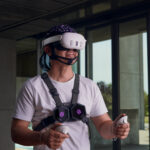

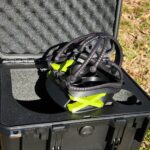
Mobile brain/body imaging (MoBI) is a rapidly evolving research area, due in part to advancements in wearable neurophysiological devices and sensors.
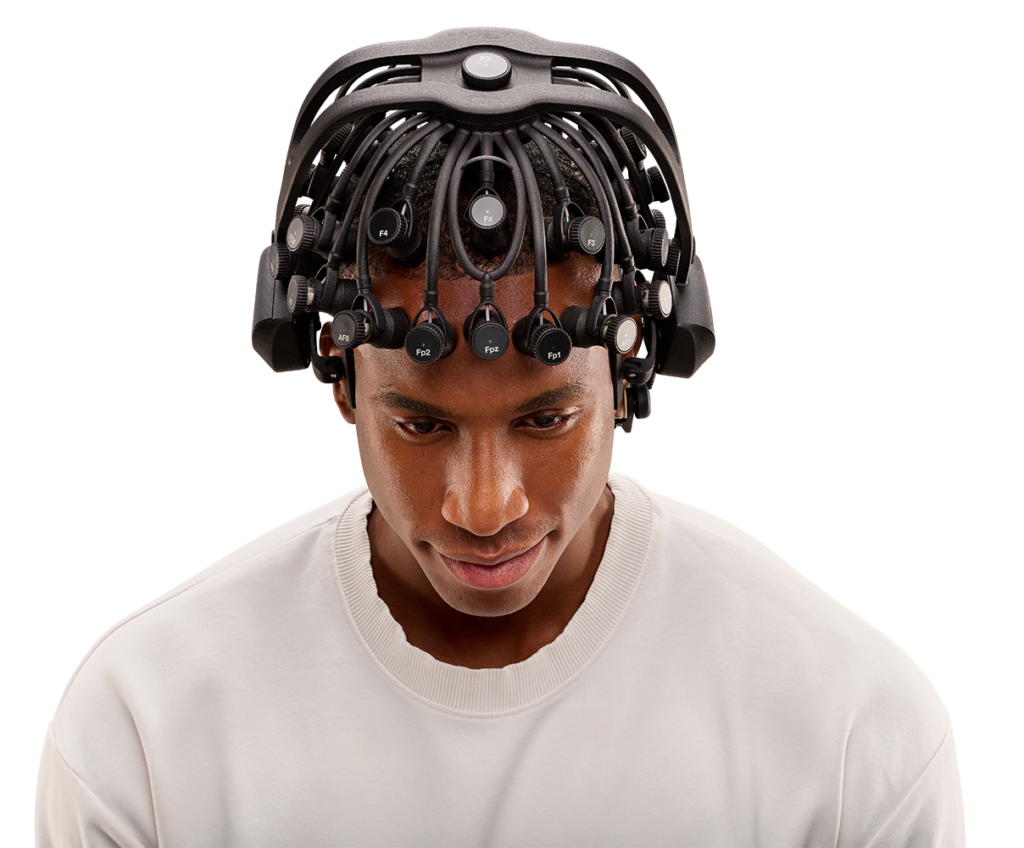
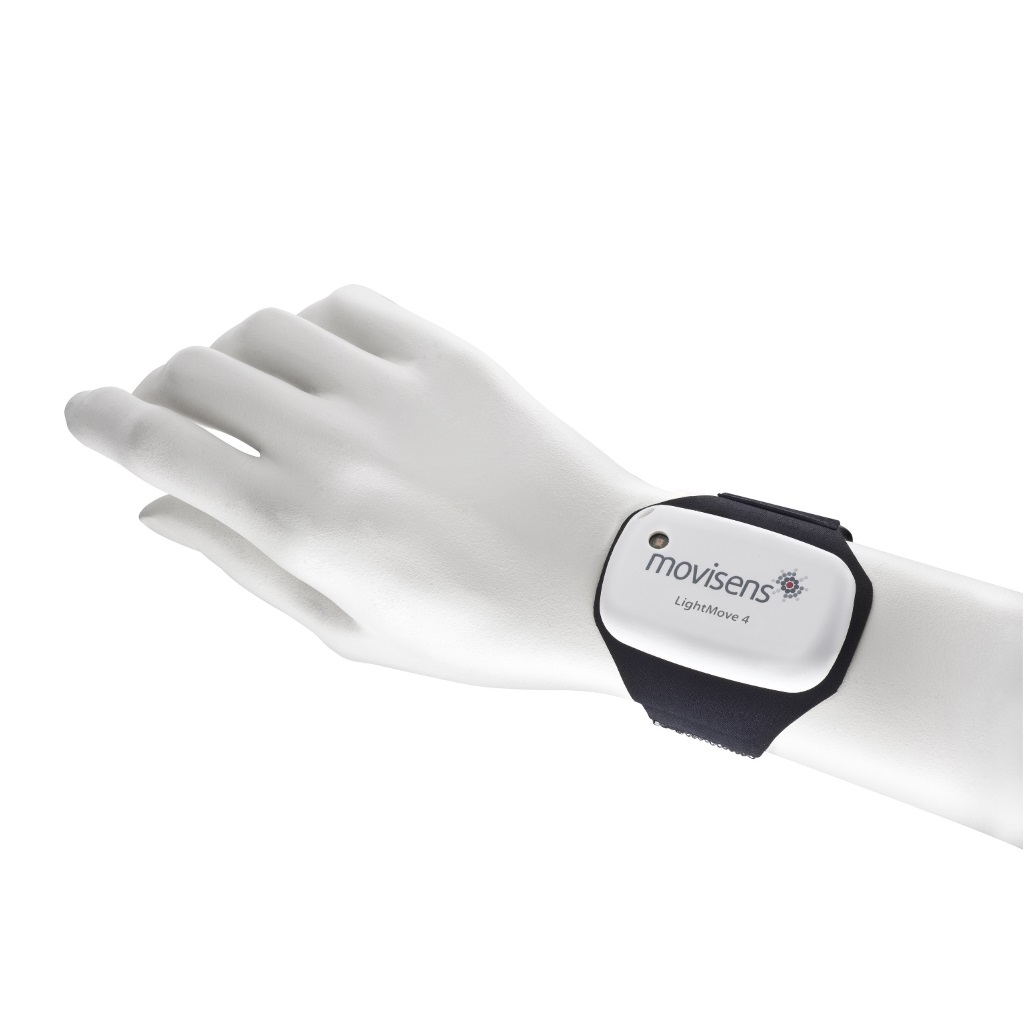
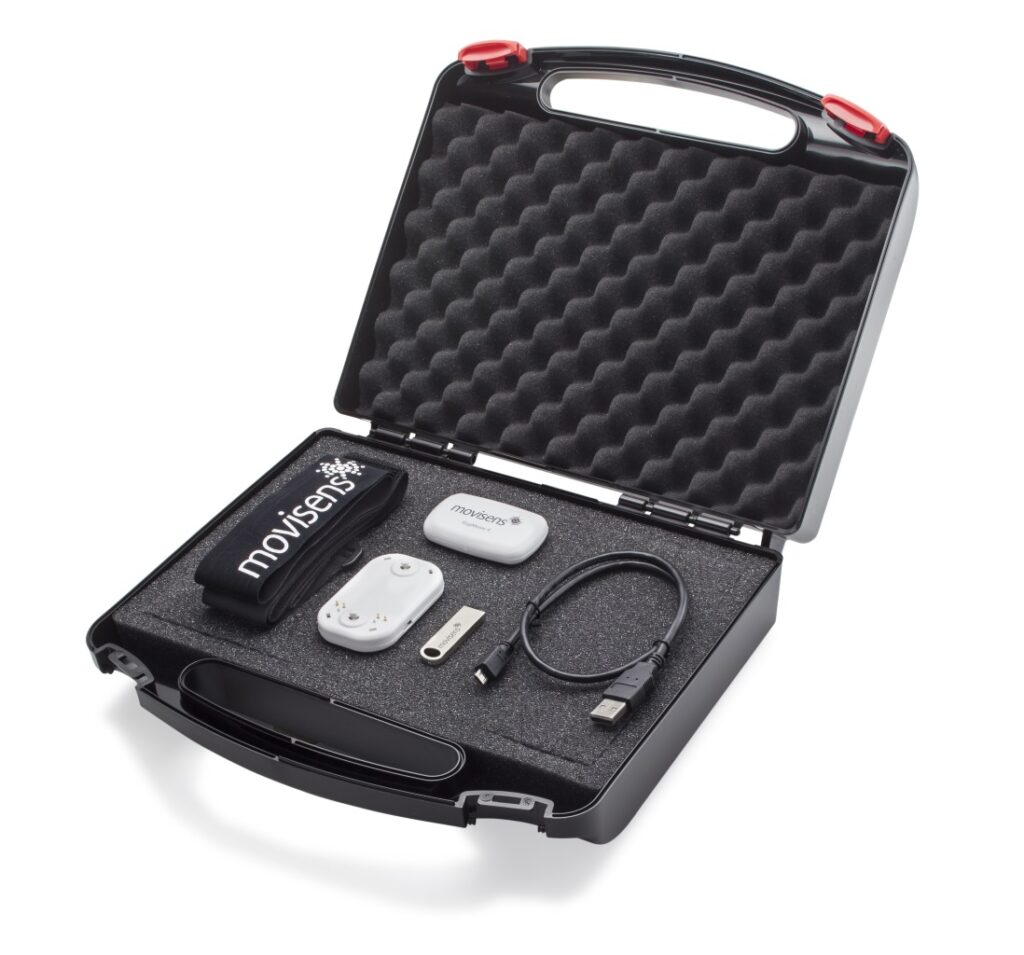
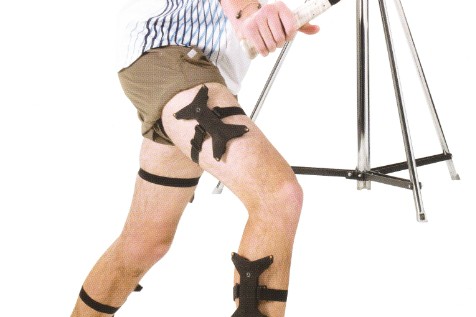
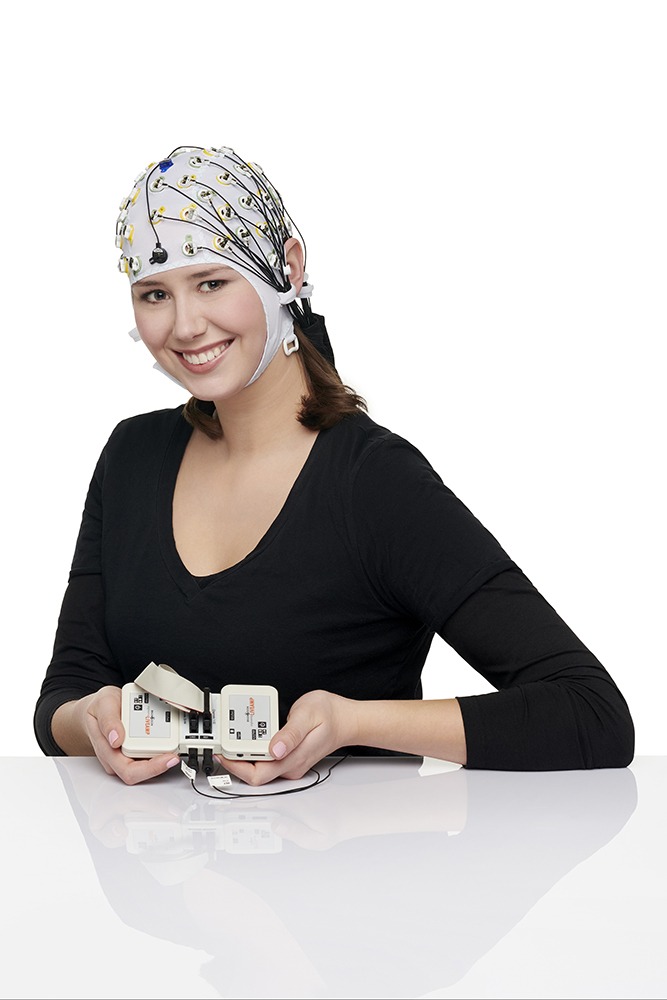
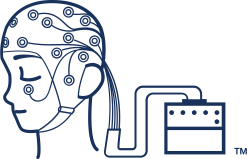
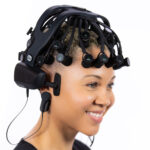
Historically, movement of electrode lead wires during EEG data acquisition resulted in large artifacts that often obscured the underlying biological signal. Today, with the low profile active electrode systems, recording electrodes are more robust and resistant to movement artifacts. Wireless EEG systems often have accelerometers embedded into the amplifier or headset so that researchers can record head and/or body movements. This movement data can aid in artifact removal or become a signal of interest in itself!
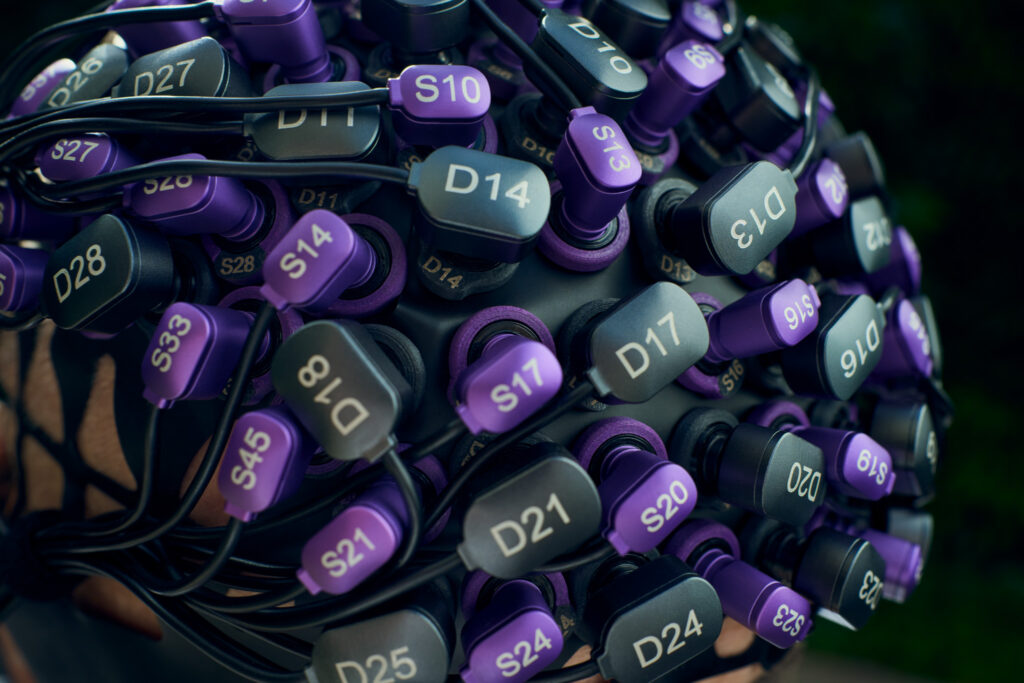
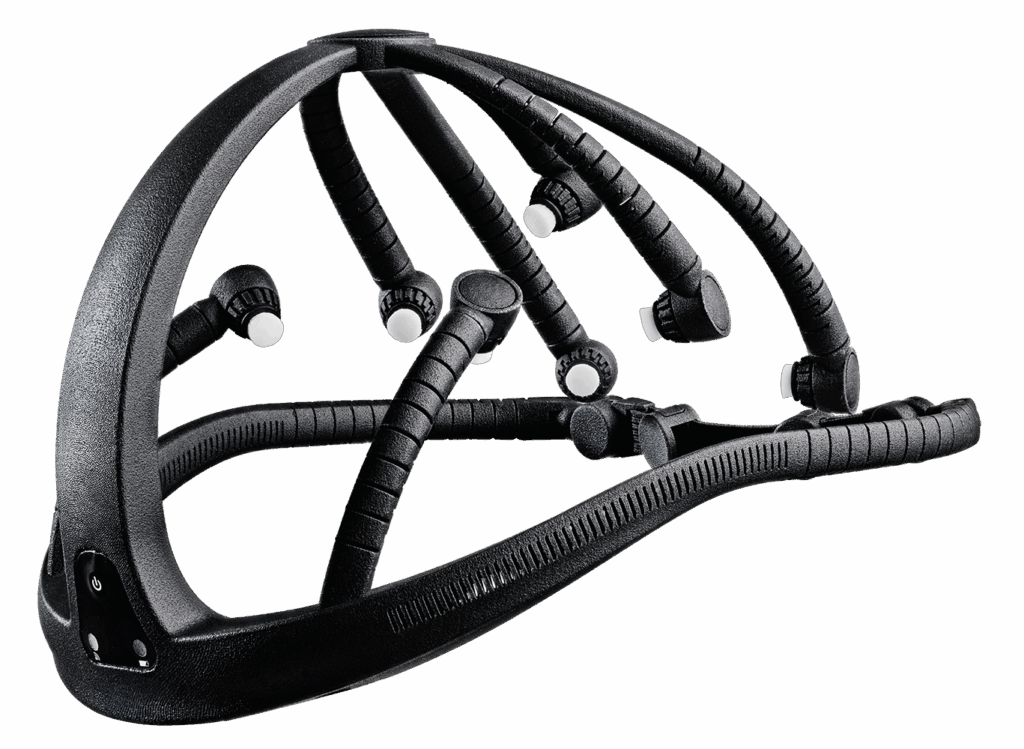
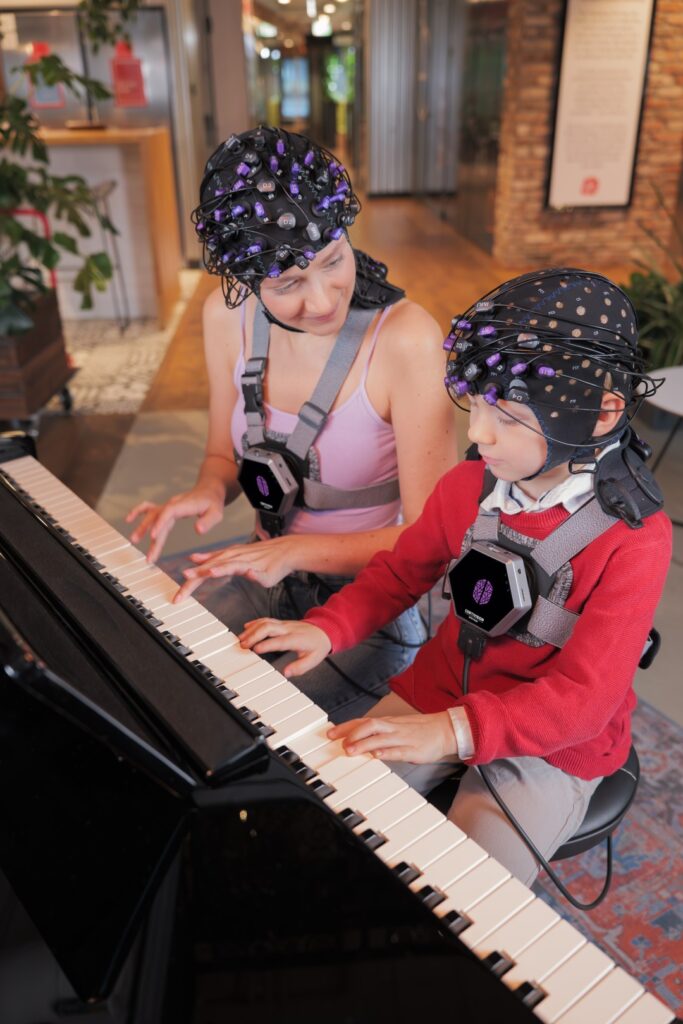
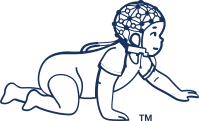
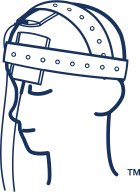
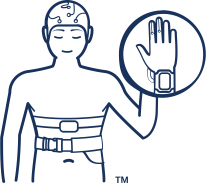
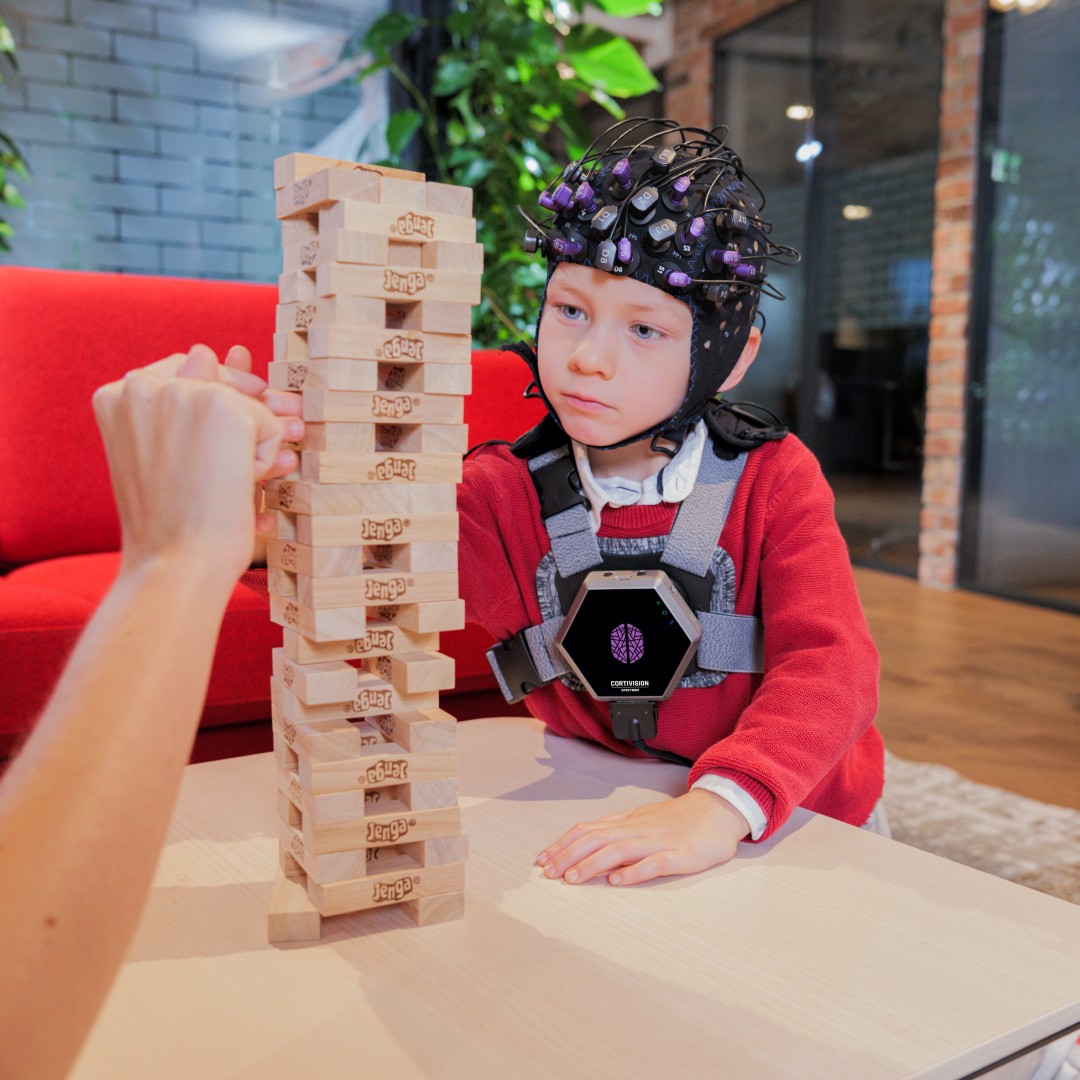
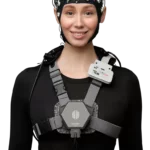
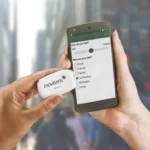
Functional Near-Infrared Spectroscopy (fNIRS) originally needed large laser systems and heavy fiber optics for data collection which could not be worn as a person moved freely. Modern fNIRS devices can be small enough to fit in your pocket, using lightweight LEDs and on-head light detectors. Dense arrays for Diffuse Optical Tomography (DOT) is even possible with a system that fits in a mobile sling bag or a chest harness that can be worn by a child.
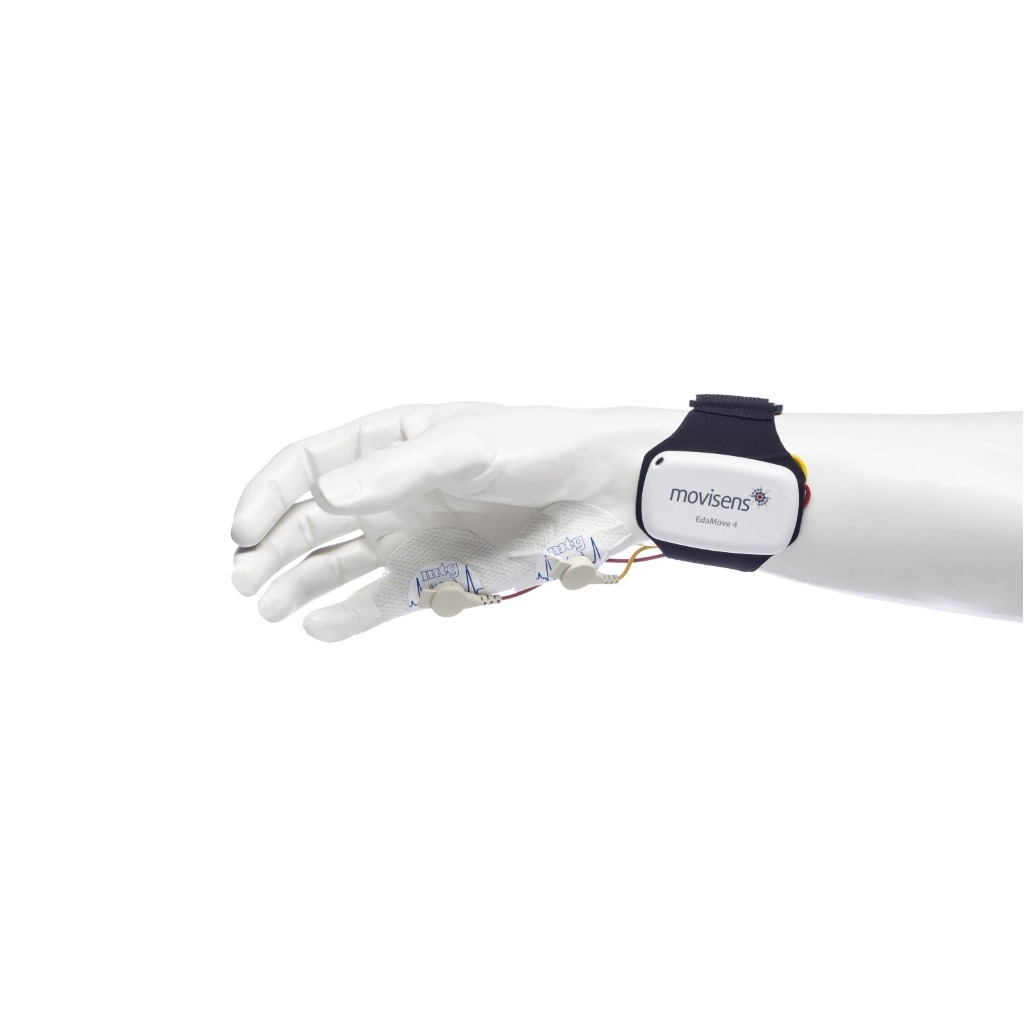
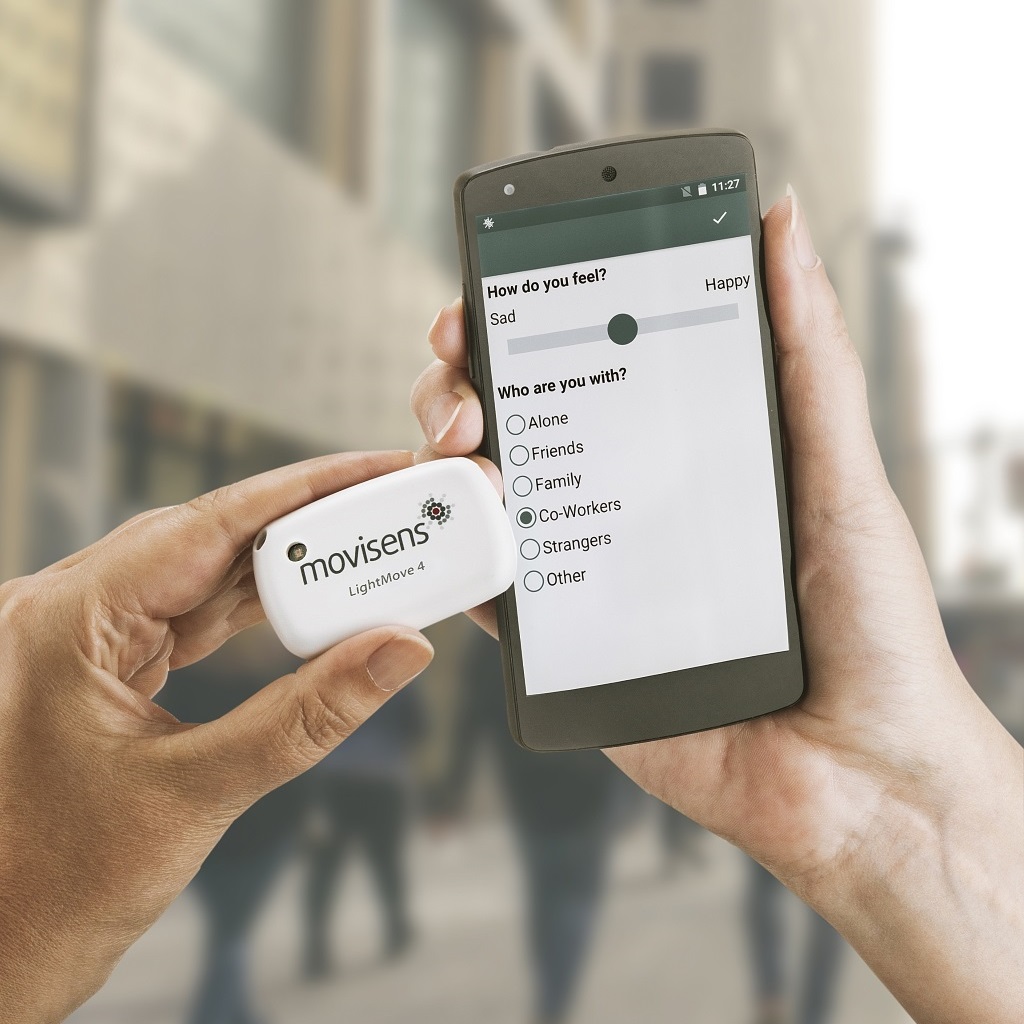
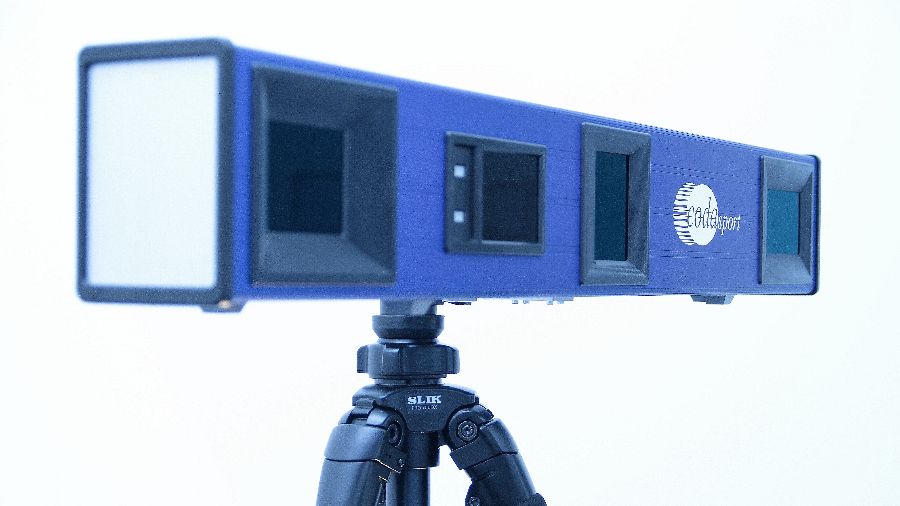
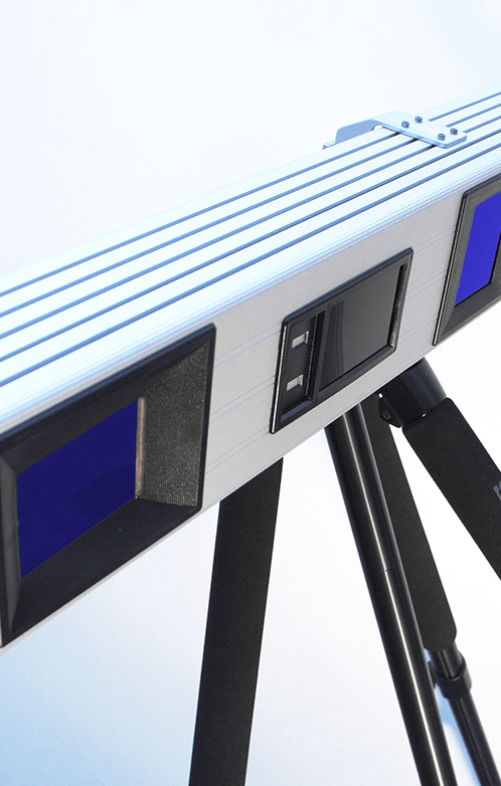
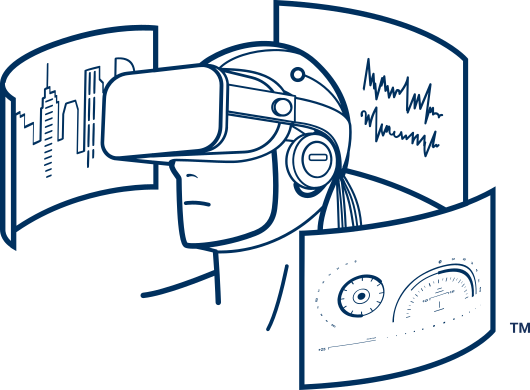
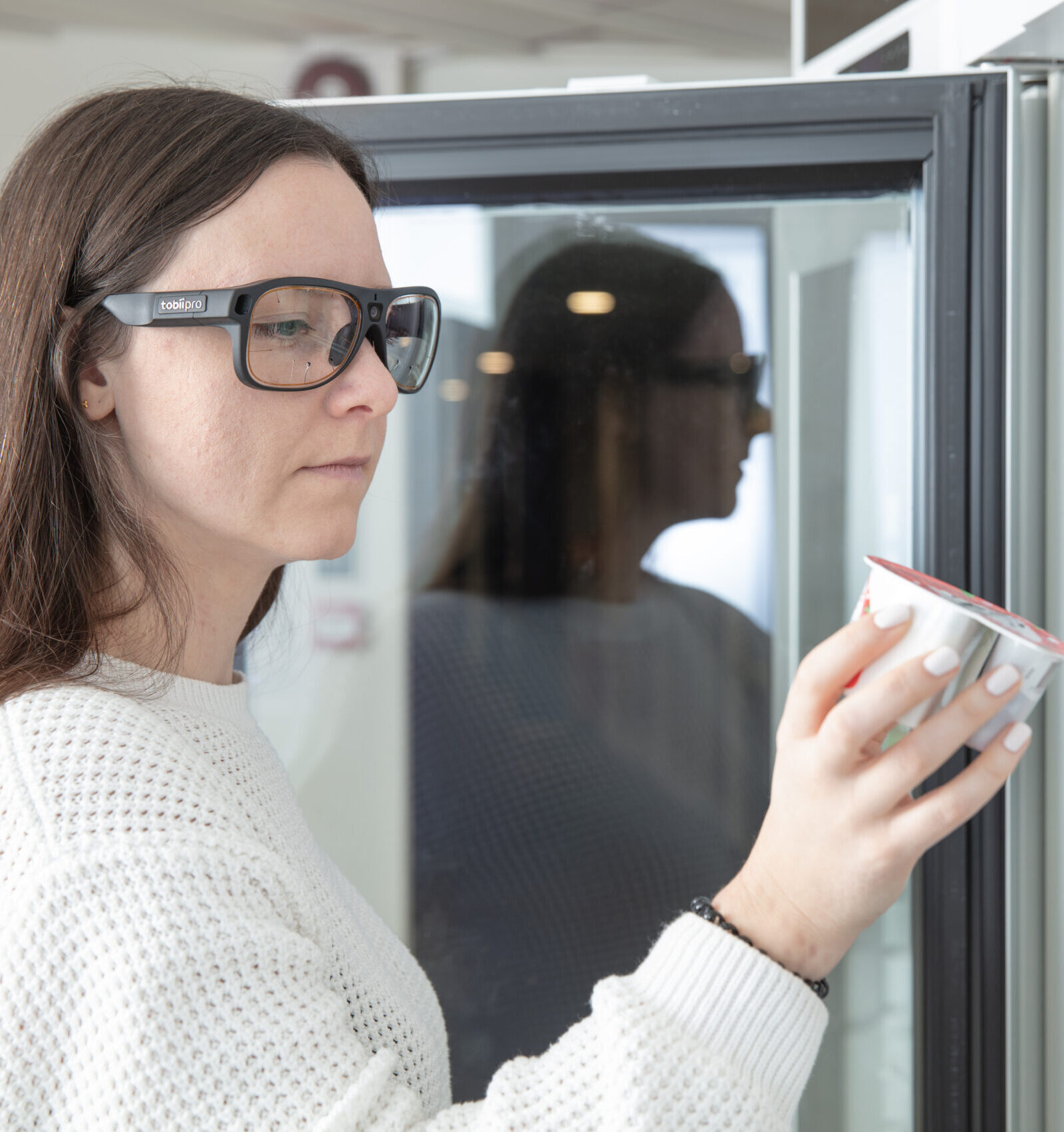
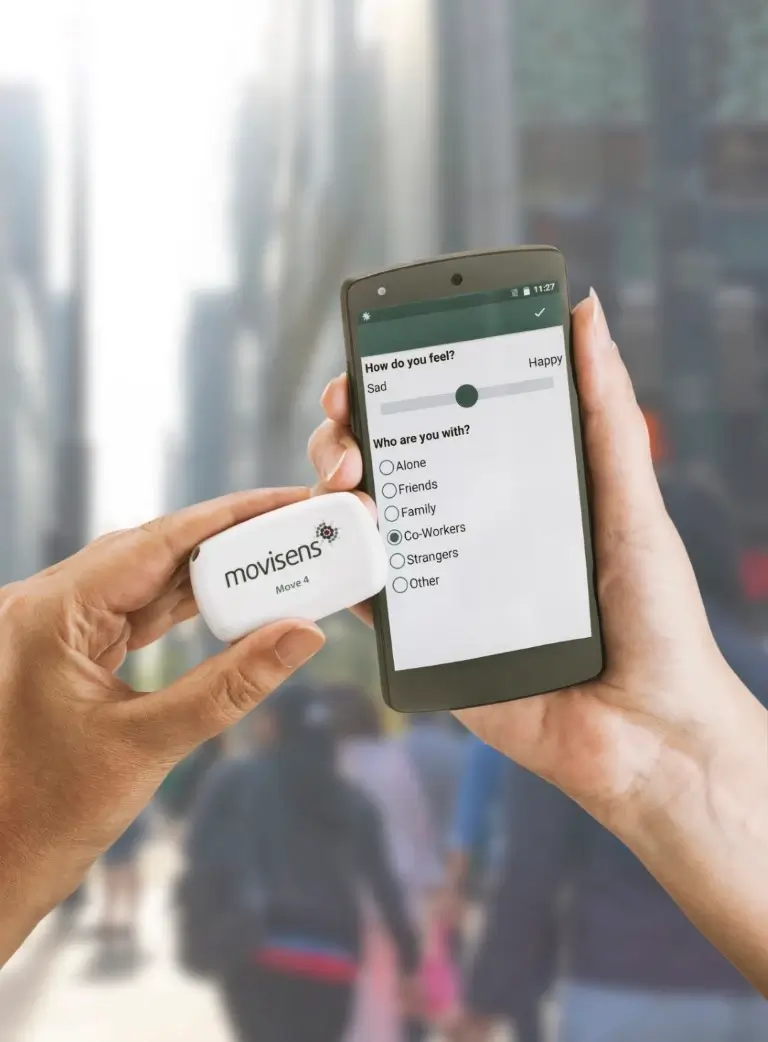
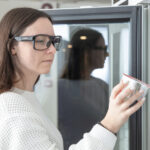
Highlighting the real-world applications of MoBI research, it is also possible to record global positioning system (GPS) coordinates and later combine that with neurophysiological data. Being able to record clean EEG, fNIRS, and peripheral physiological signals (e.g., like heart rate, GSR, and respiration) outside of the laboratory environment allows researchers to answer exciting questions about how the brain works in real-world conditions (e.g., while driving a car or making a purchase in the grocery store) or during extreme activities (e.g., skydiving, exercising, weightlessness, bungee jumping). Glasses-based eye trackers with built-in scene cameras and microphones can help researchers identify where a participant’s attention was at any given time in these real-world (or VR) environments.
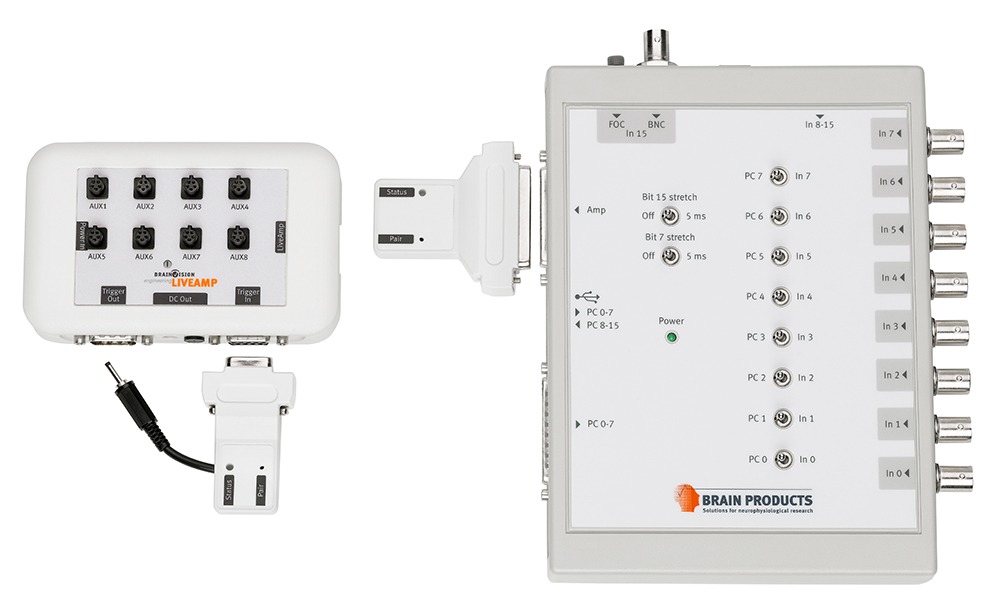
At Brain Vision, we offer a variety of solutions for mobile and wireless neurophysiological recordings, several of which are scalable to accommodate the growing needs of researchers who want to push the boundaries of human neuroscience research.
Ask us how you could take your next neuroscience experiment out of the lab!