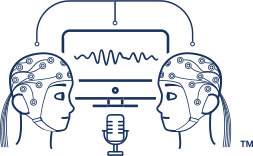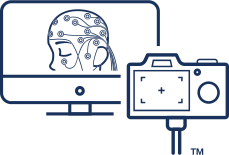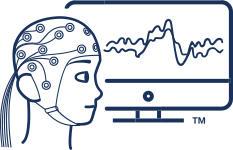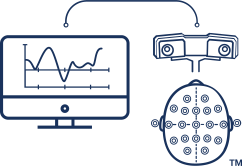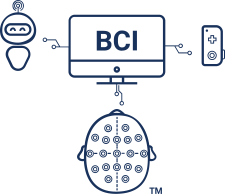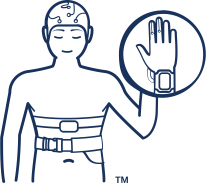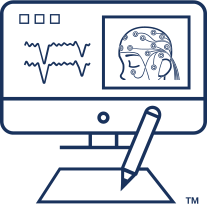
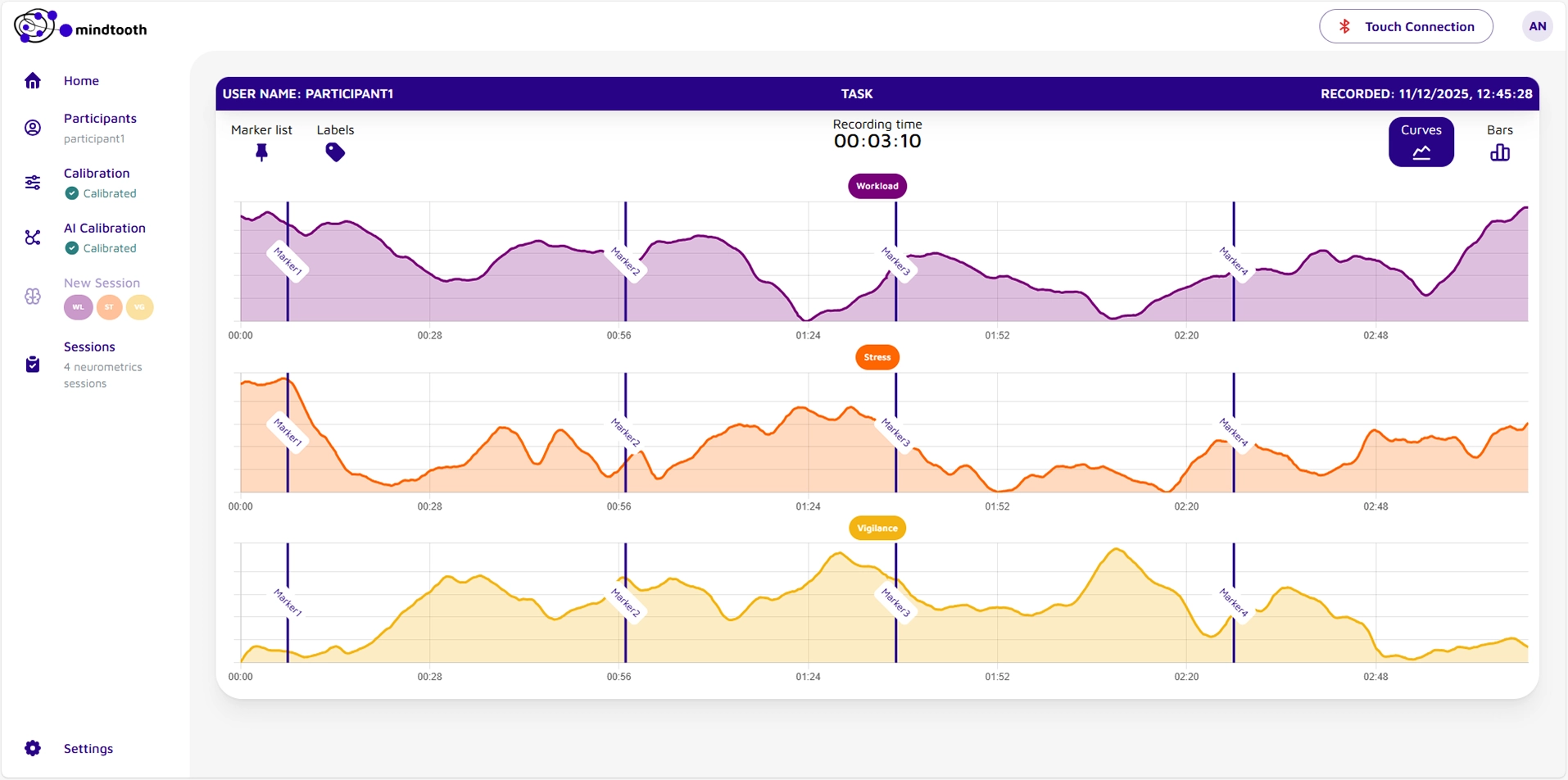
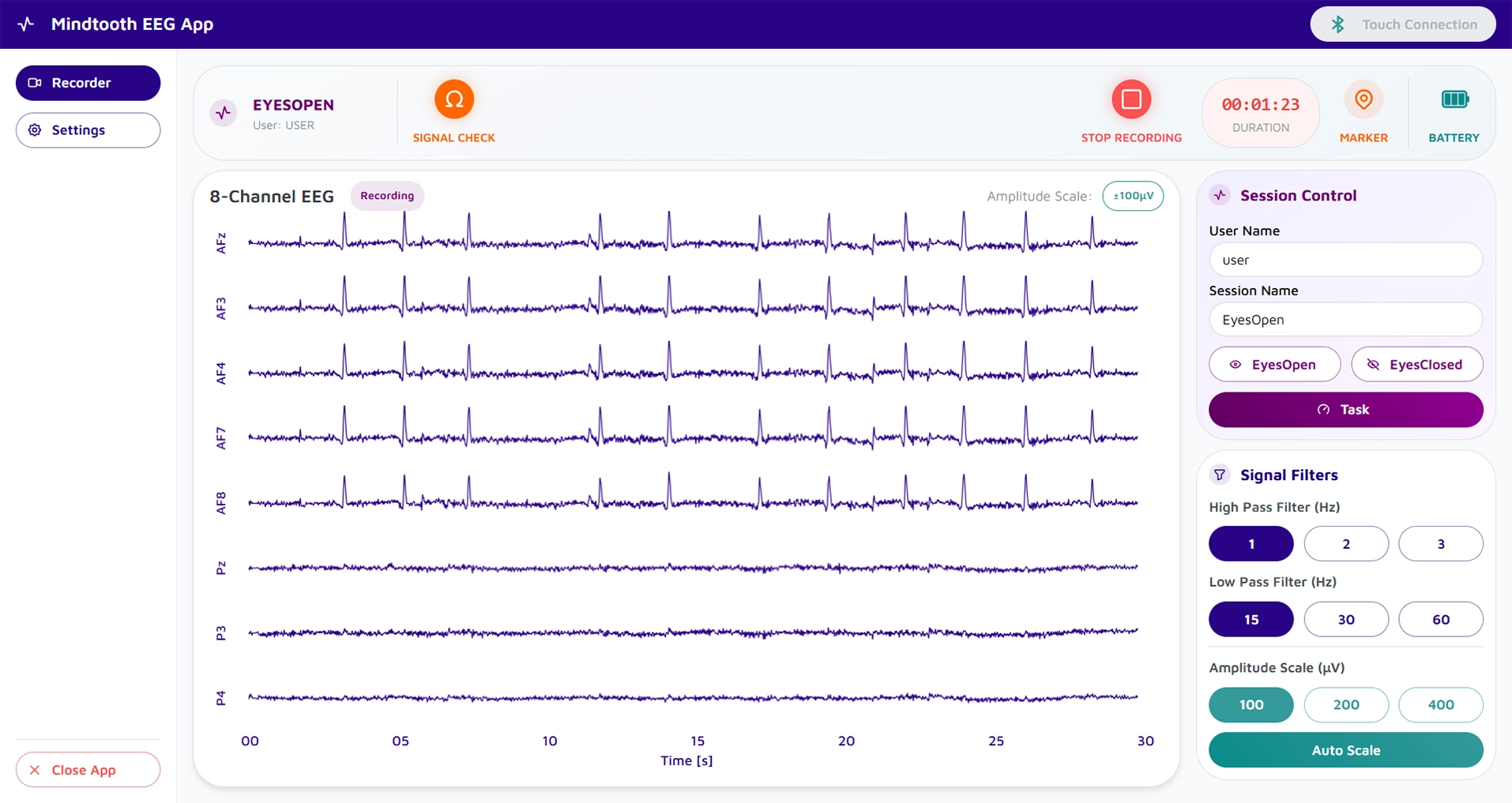
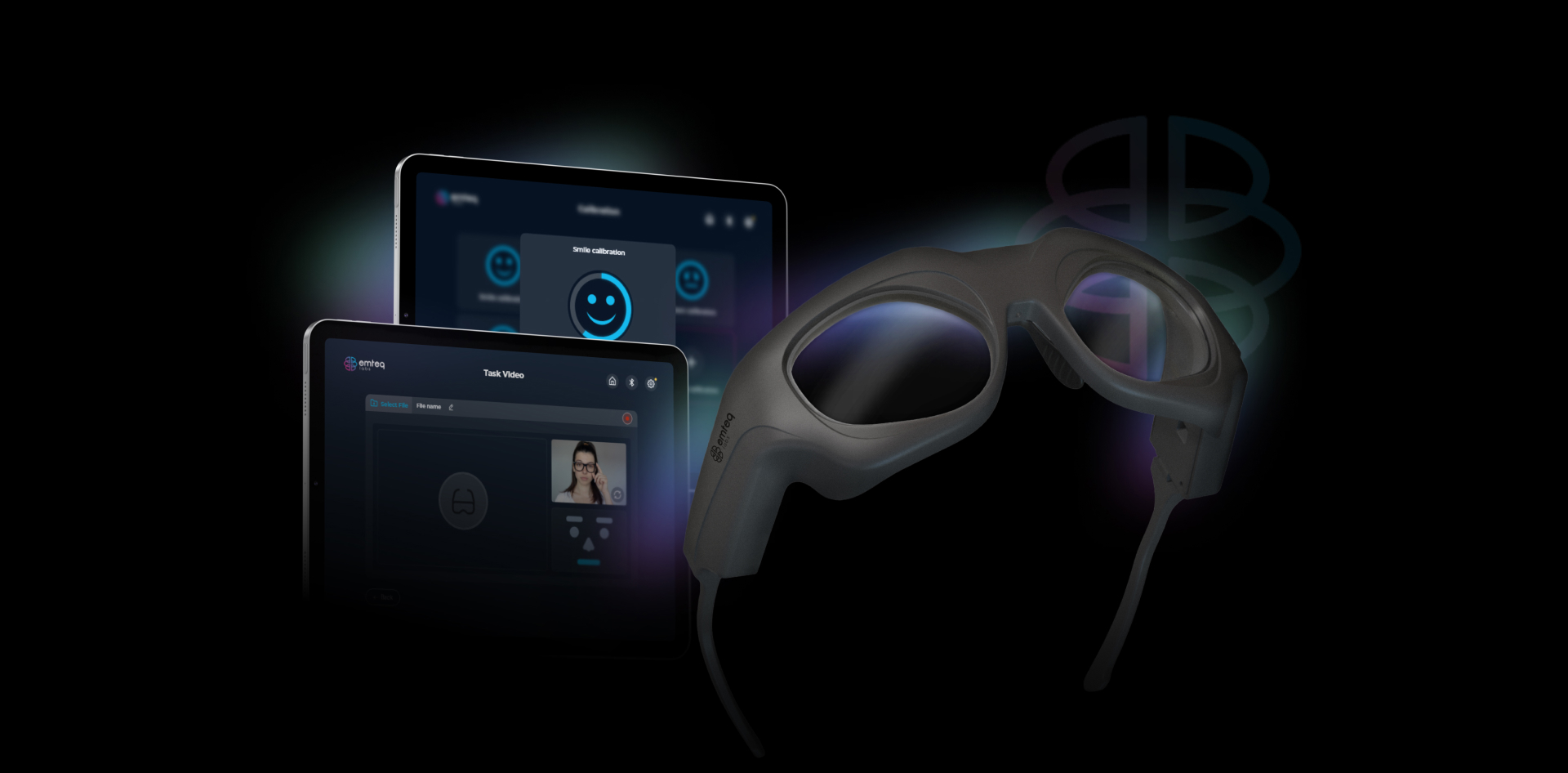
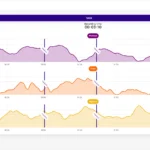
A raw EEG trace or a heart-rate signal on its own doesn’t say much about what someone’s actually experiencing. Neurometrics is the process that closes that gap by converting raw neurophysiological (EEG) and peripheral physiological (ECG, GSR, respiration, EMG) signals into quantifiable indices of a participant’s cognitive or emotional state. Examples of these indices include mental workload, vigilance, engagement, stress, and valence, each computed using algorithms specific to that measure. However, real-time computation is harder on the hardware than a standard lab recording, since artifacts have to be filtered out live instead of cleaned up afterward.Taking these measurements out of the lab means finding the right balance between clean data, comfort, mobility, and handling movement. Our consultants can help researchers weigh those trade-offs before settling on a system.
Raw neurophysiological data alone don’t say much about what someone’s actually experiencing. Neurometrics is the process that closes that gap by converting raw neurophysiological (EEG) and peripheral physiological (ECG, GSR, respiration, EMG) signals into quantifiable indices of a participant’s cognitive or emotional state. Examples of these indices include mental workload, vigilance, engagement, stress, and valence, each computed using algorithms specific to that measure. However, real-time computation is harder on the hardware than a standard lab recording, since artifacts have to be filtered out live instead of cleaned up afterward. That’s why signal quality alone isn’t enough for this kind of work, mobility, comfort, and motion tolerance have to be part of the decision too.
Sentence for neuromarketing: This is what lets neurometrics move past the lab and into classrooms, vehicles, neuromarketing studies, and clinical settings.
We now carry two (2) systems designed specifically for neurometrics studies.
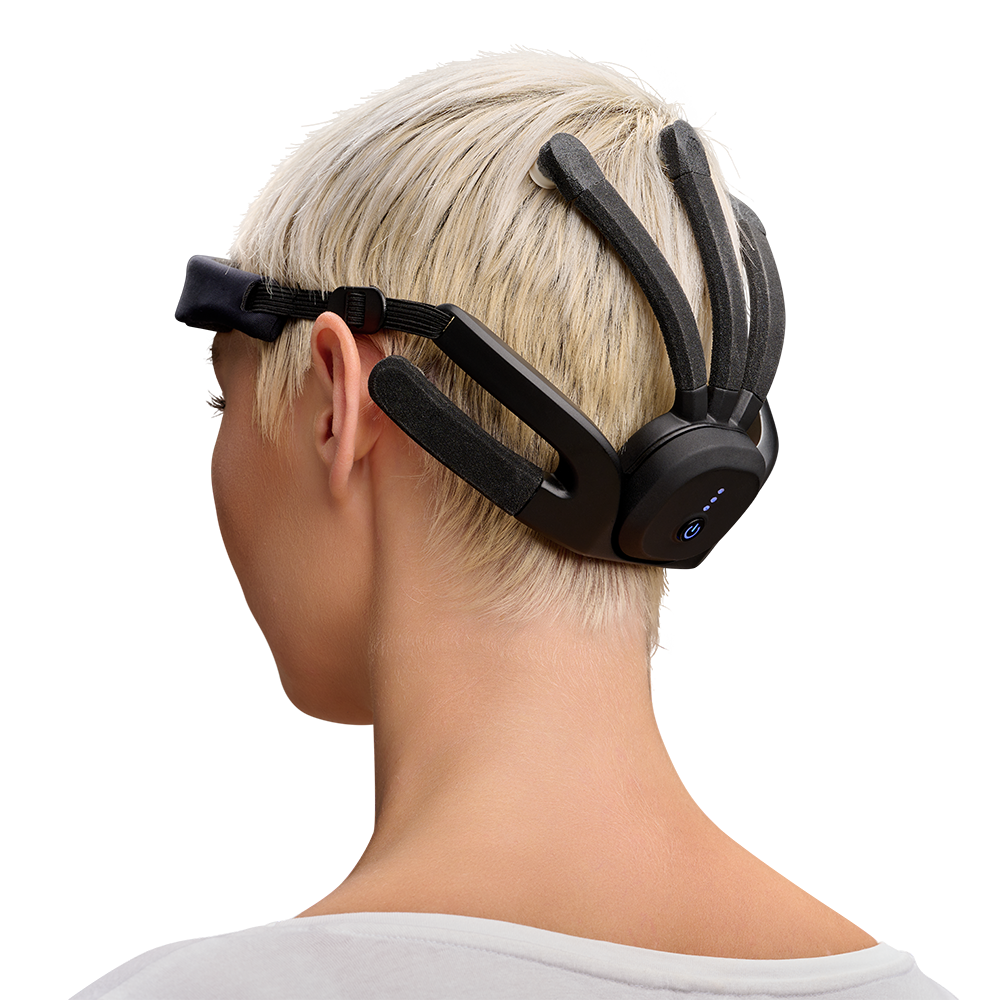
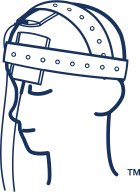
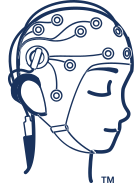
- Mindtooth, a lightweight headset (under 140g) co-developed by Brain Products and BrainSigns, computes workload, stress, and vigilance neurometric scores directly from live EEG data.
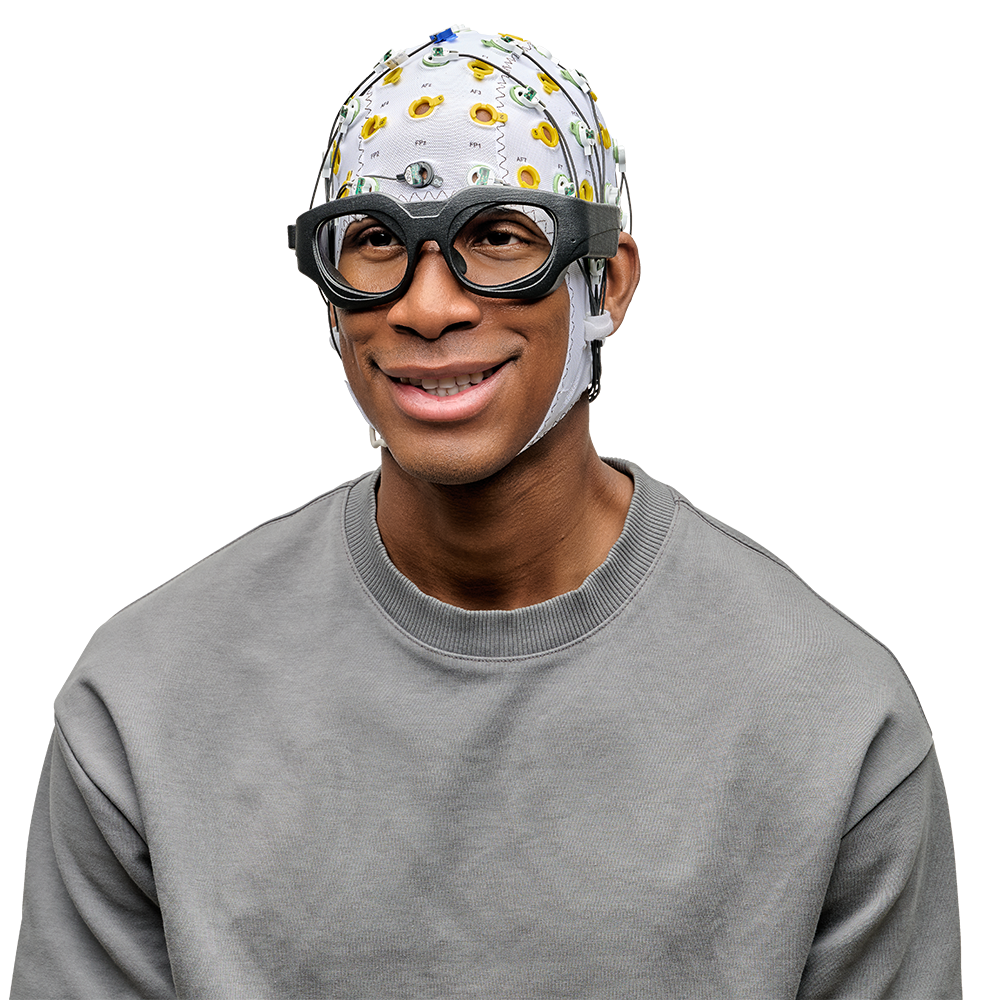
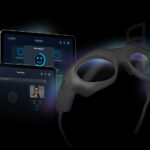
- OCOSense from Emteq Labs, works from a different signal. Rather than reading brain activity, the glasses use proprietary Optomyography (OMG) optical sensors to pick up facial muscle movement, with no gel or wires needed. From that, it derives scores for attention, engagement, and valence based on a participant’s expression.
Brain Vision Scientific Consultants are happy to discuss your needs and find the right solution for your studies, send us an email or book a call with one today!