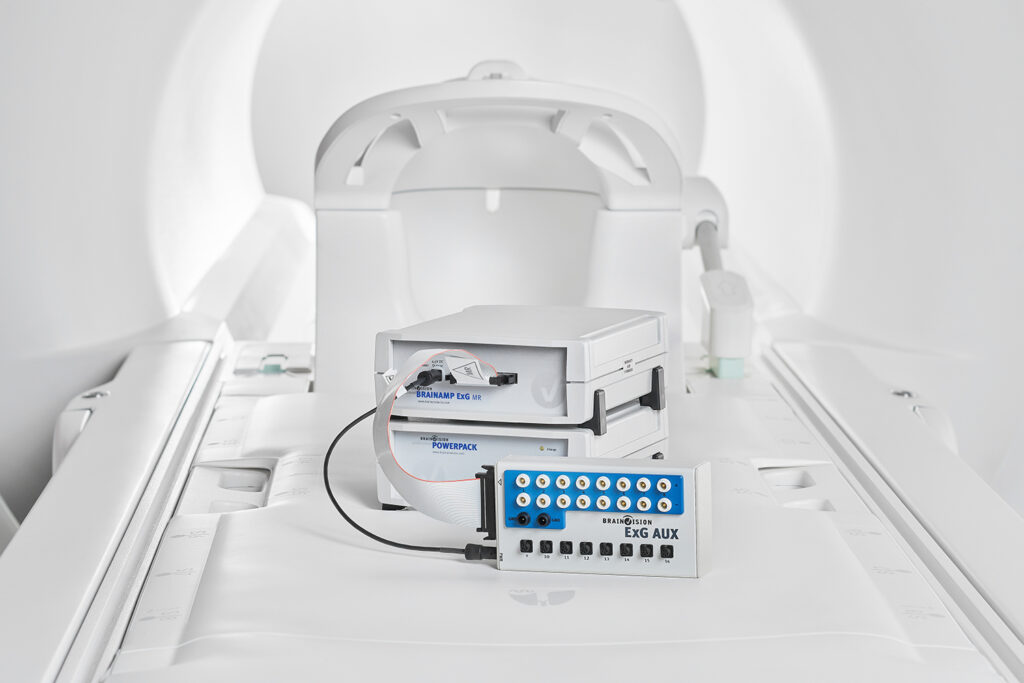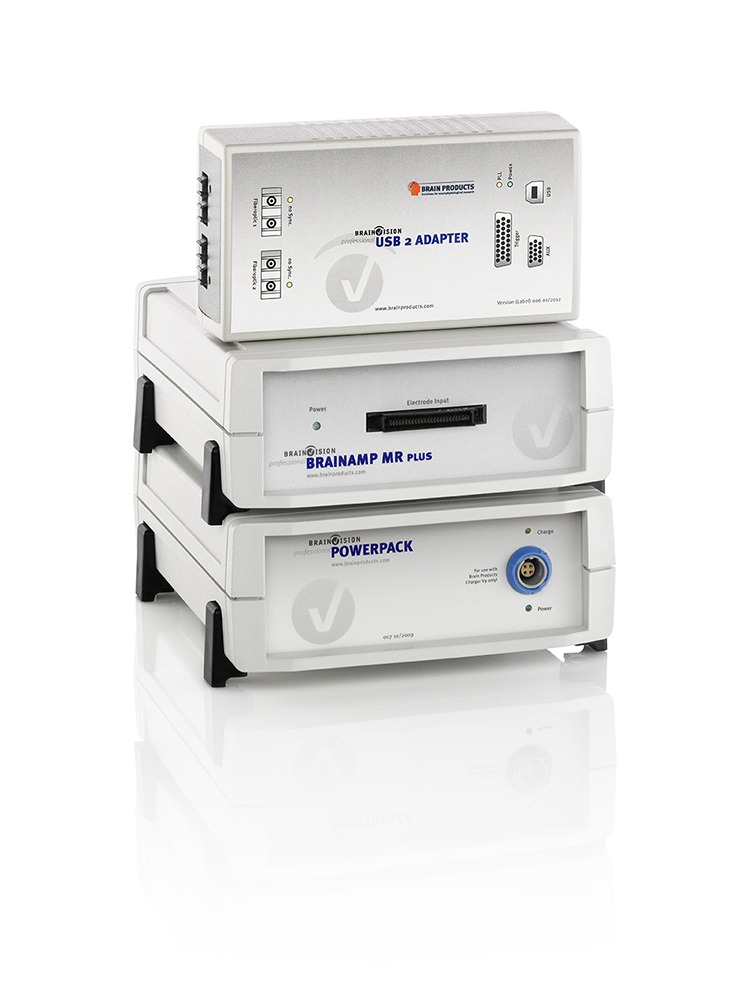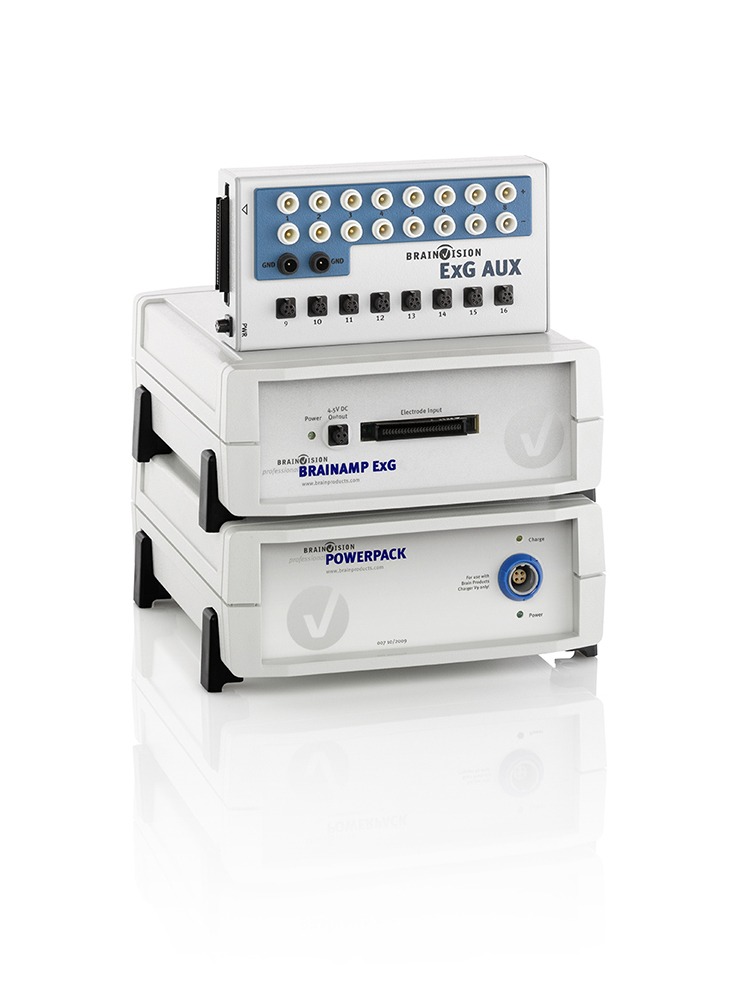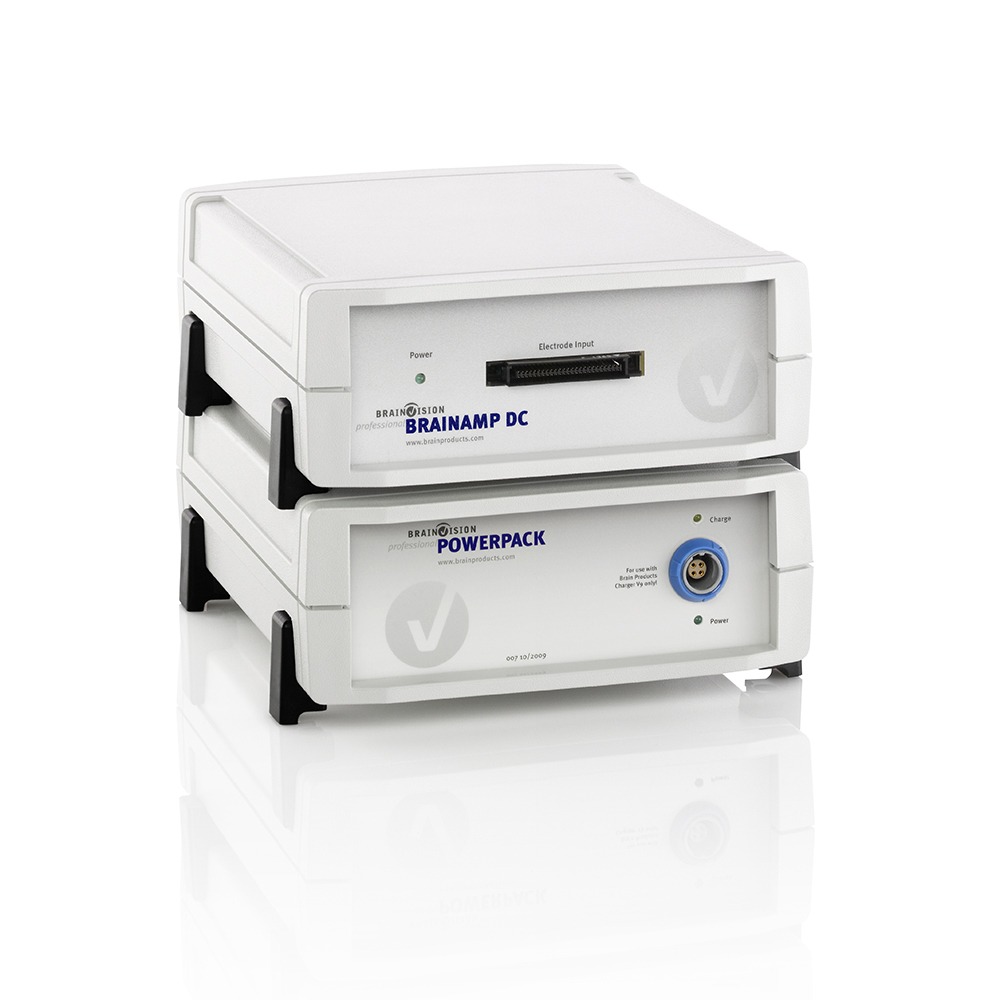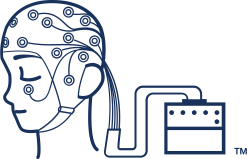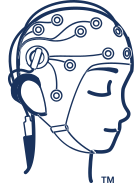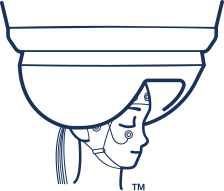
Magnetoencephalography (MEG) uses high-resolution coils coupled to superconducting quantum interference devices (SQUIDs) to measure the magnetic fields associated with the electrical currents produced by neuronal activation. Unlike EEG or fNIRS, MEG does not require the placement of sensors on the heads of participants. Rather, participants undergoing an MEG scan simply insert their heads into a helmet-like device that contains hundreds of sensor coils to capture dynamic changes in the brain’s magnetic fields. One strength of MEG is that it has both good spatial and temporal resolution for measuring neuronal activation from the cortex. Researchers may choose to combine MEG with EEG to better correlate changes in the brain’s magnetic fields with its actual electrical activity as detected by EEG electrodes placed on the head. Many MEG machines have built-in EEG amplifiers to facilitate the combination of these two modalities, and there are several technical considerations to keep in mind when combining EEG with MEG (e.g., the EEG electrodes must be degaussed to prevent interference in the MEG signal). We have many years of experience building custom EEG caps to fit with the various MEG machines on the market, and we can also provide higher-density solutions if researchers are interested in bypassing their MEG machine’s built-in EEG amplifier and using a dedicated EEG amplifier with their system.