



Tobii Pro Fusion

Light-weight, portable stationary eyetracking system

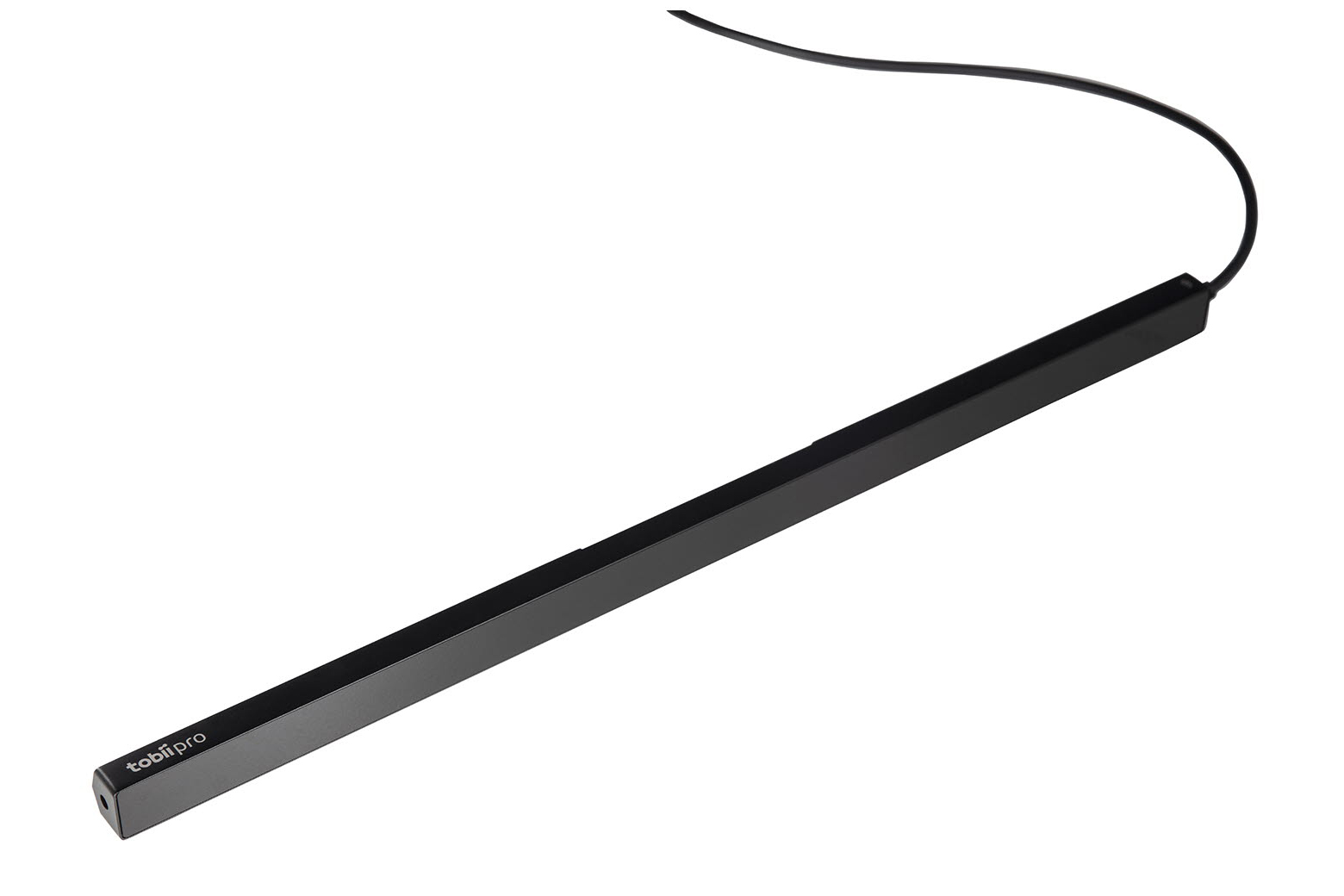
The Tobii Pro Fusion is a light-weight, portable bar that can be mounted beneath any screen to turn it into a stationary eyetracking system for research. It can run at up to 250Hz with 0.3° of precision and be used for gaze-contingent studies.

  • Light-weight and portable
    • Take stationary, screen-based eyetracking on the road with you by packing along the Tobii Pro Fusion (168 grams, 37.4 cm × 1.8 cm × 1.37 cm
  • USB-connectivity
    • Connect the eyetracker via USB-C or USB-A
  • Sync with fNIRS, EEG, and more
    • Program the Tobii Pro Lab software to control a TriggerBox Plus for sending 5V TTL signals at specific points of an eyetracking paradigm.  Use these event markers to syncrhonize the eye tracking signals post-hoc with fNIRS, EEG, peripherpal physio (GSR, respiration, HR), and other modalities. Ask us how those signals can be used in BrainVision Analzyer 2 for gaze contingent EEG analyses.
 

Related Products

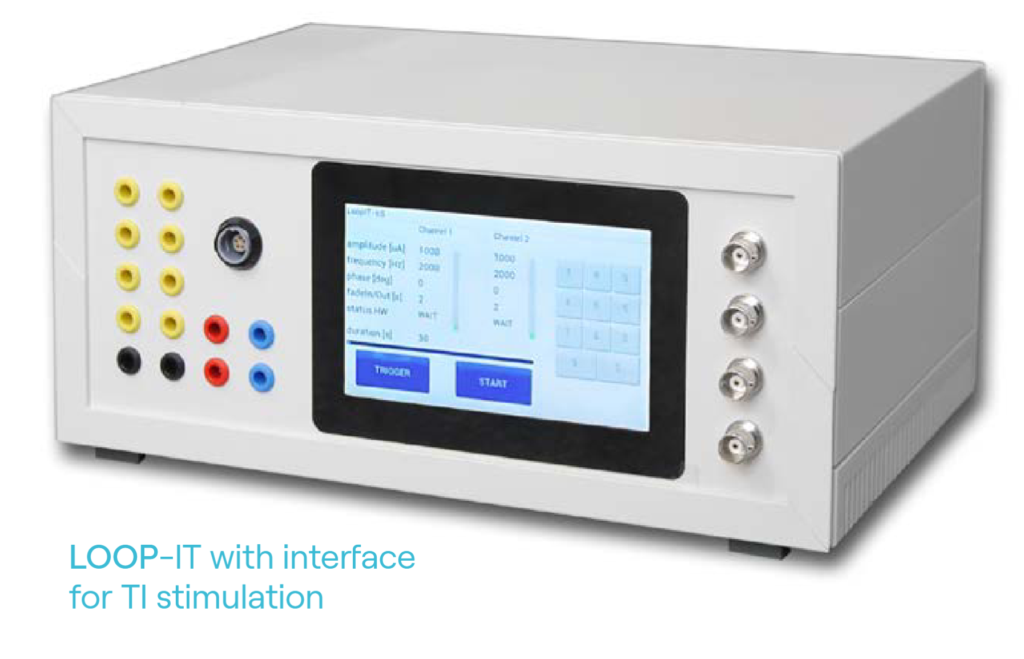
The LOOP-IT's front panel is depicted with its touchscreen interface, 8x EEG inputs, 2x tES outputs, 4x BNC outputs, and a special port.
The neuroConn LOOP-IT is an all-in-one solution for closed loop EEG-tES, TMS-EEG, and EEG-tFUS.

neuroConn LOOP-IT

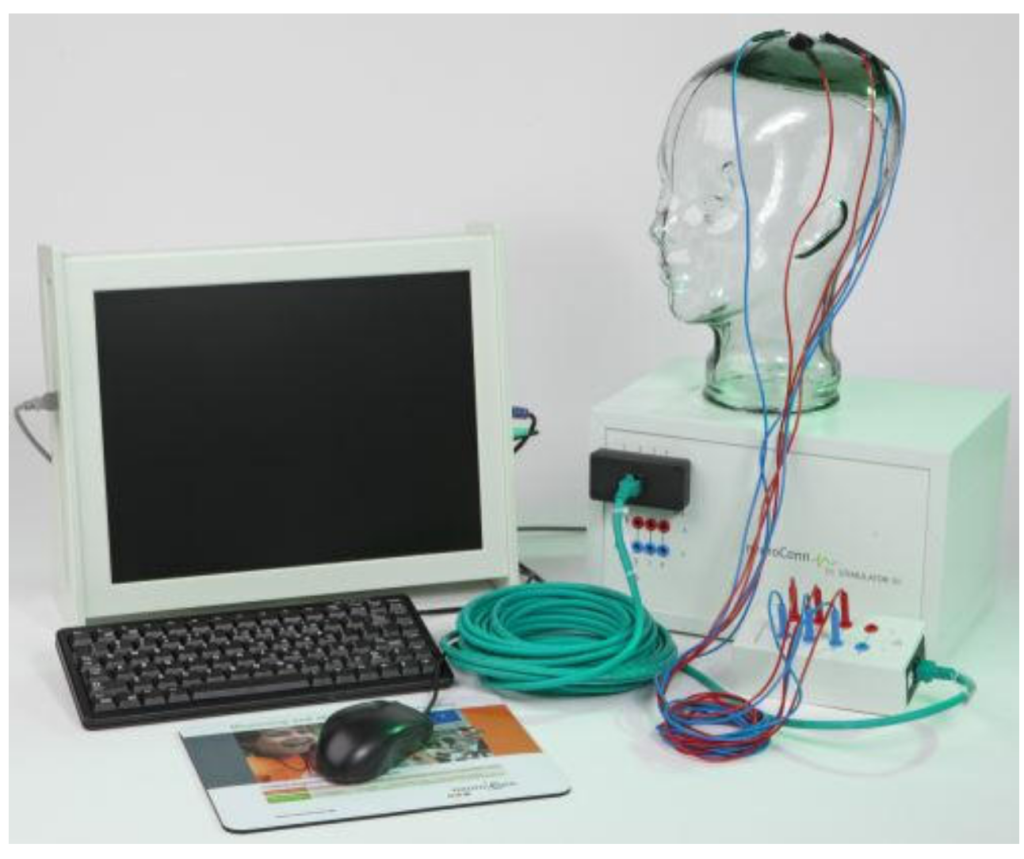
neuroConn DCMC is pictured with its control panel PC, keyboard, and mouse, along with 4x stimulation channels connected to a glass head via rubber electrodes.
An expandalbe multi-channel transcranial electrical stimulation (HD-tES) platform.

neuroConn DC-STIMULATOR MC

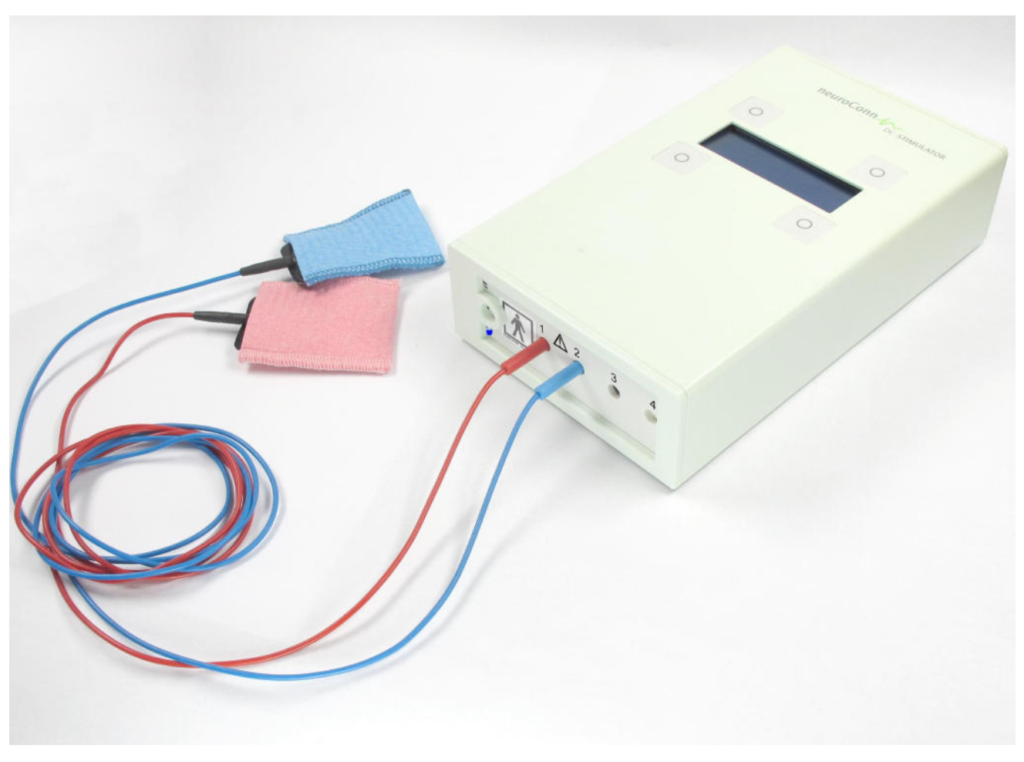
neuroConn DC-STIMULATOR PLUS is depicted laying on a table with a pair of rubber/sponge electrodes connected.
A capable and powerful one-channel transcranial electrical stimulation (tES) tool.

neuroConn DC-STIMULATOR PLUS

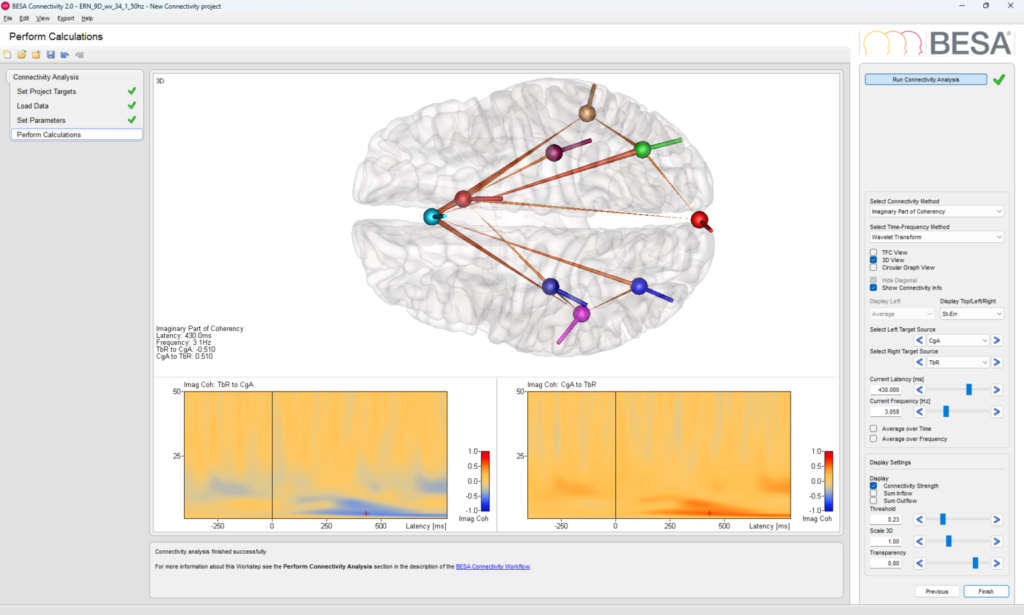
The BESA Connectivity software interface is a workflow-based GUI that walks you through the connectivity analysis of your choosing. Here you see the results of a Coherence analysis between multiple regional sources (source space, frequency anlaysis).
BESA Connectivity is a stand-alone module that extends BESA Research with streamlined, user-guided workflows for time–frequency and connectivity analysis of EEG and MEG data (in both scalp and source space). With multiple time–frequency and connectivity analysis methods supported, you can run batch analyses across subjects and easily visualize results using a variety of 2D and 3D renderings. The output is also ready for direct import into BESA Statistics.

BESA Connectivity 2.0

View Other Application Fields

Website Search

Schedule a call with our Consultants​

Please select your area to schedule an introductory call with one of our Scientific Consultants.

script here