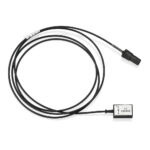
Sensors non MR compatible

Non MR compatible sensors for peripheral signal recordings

Dating back all the way to the its origins in the late 19th century, the recording of peripheral biosignals has always been a hallmark of neurophysiological research. However, with the advent of new and ever more sophisticated investigational techniques such as MEG, PET, fMRI and EEG/MR, the concurrent and multimodal measurement of peripheral physiological signals is adding immense power to the investigation of many central nervous and peripheral mechanisms.

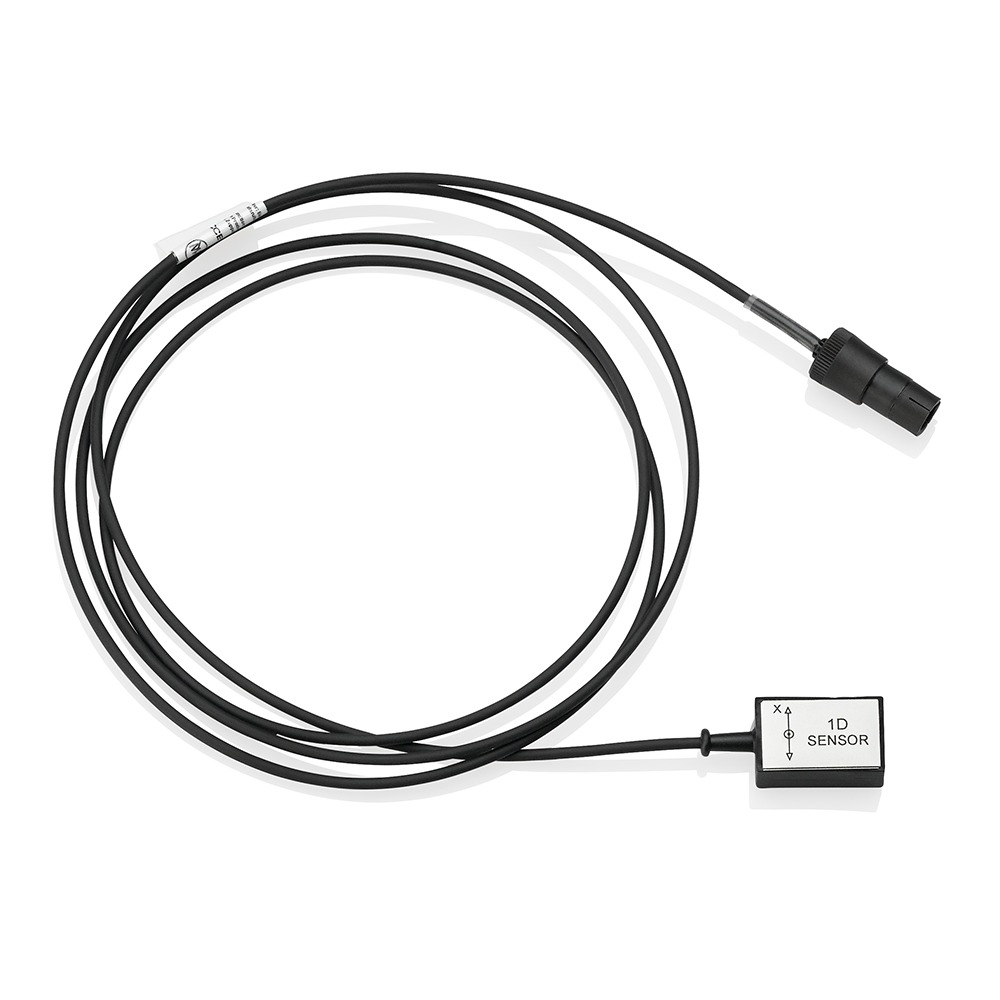
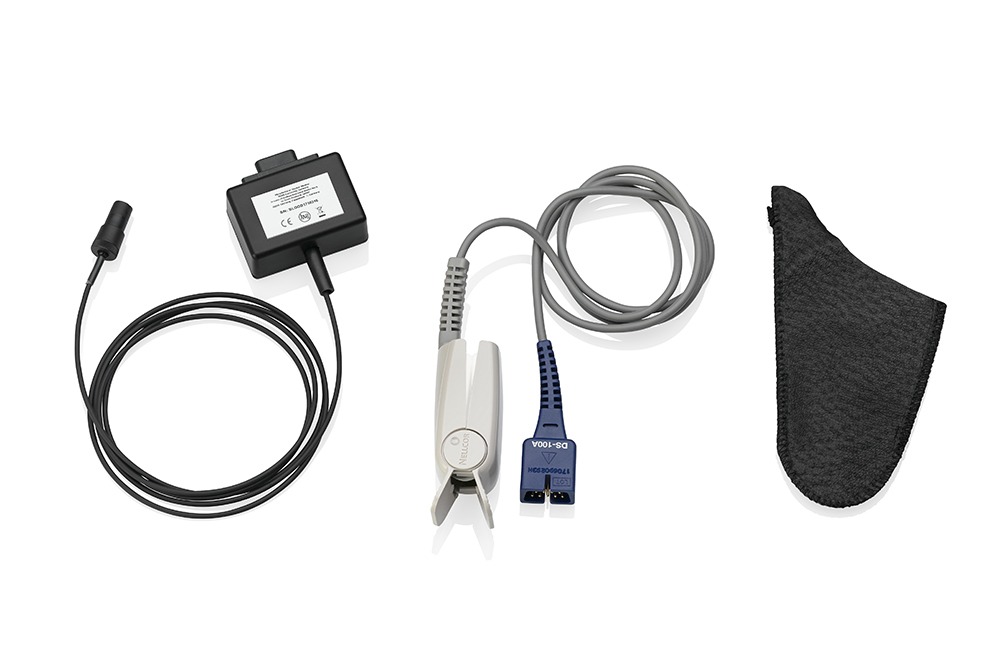
Following this research trend, Brain Products has developed and offers a large variety of sensors e.g. for the recording of

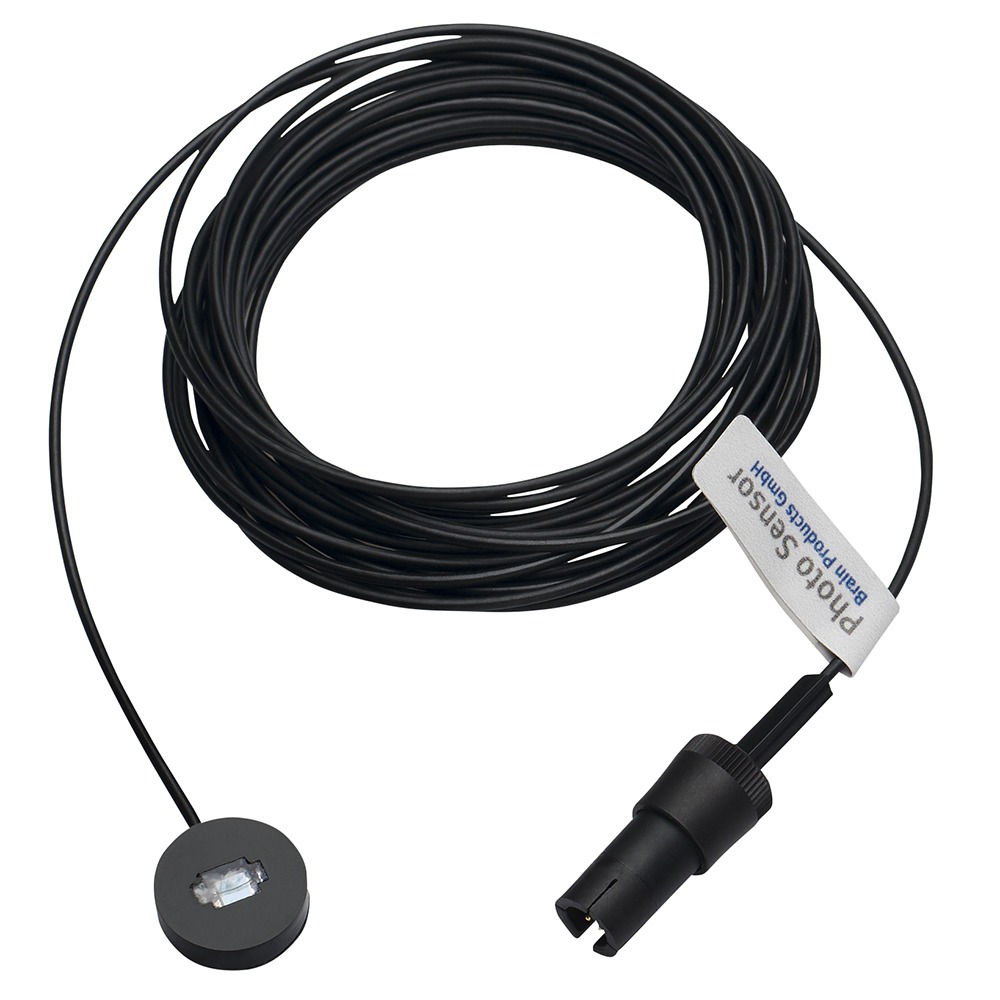
  • Photo Sensor
    – in the lab environment
  • acceleration 1D
  • acceleration 3D
    – in the lab environment or in the MR environment
  • respiration
    – in the lab environment or in the MR environment
  • temperature
  • blood pulse
  • galvanic skin response (GSR)
    – in the lab environment or in the MR environment

All sensors are manufactured to meet the highest safety standards and are powered directly from the electrically isolated amplifiers.
Related Products

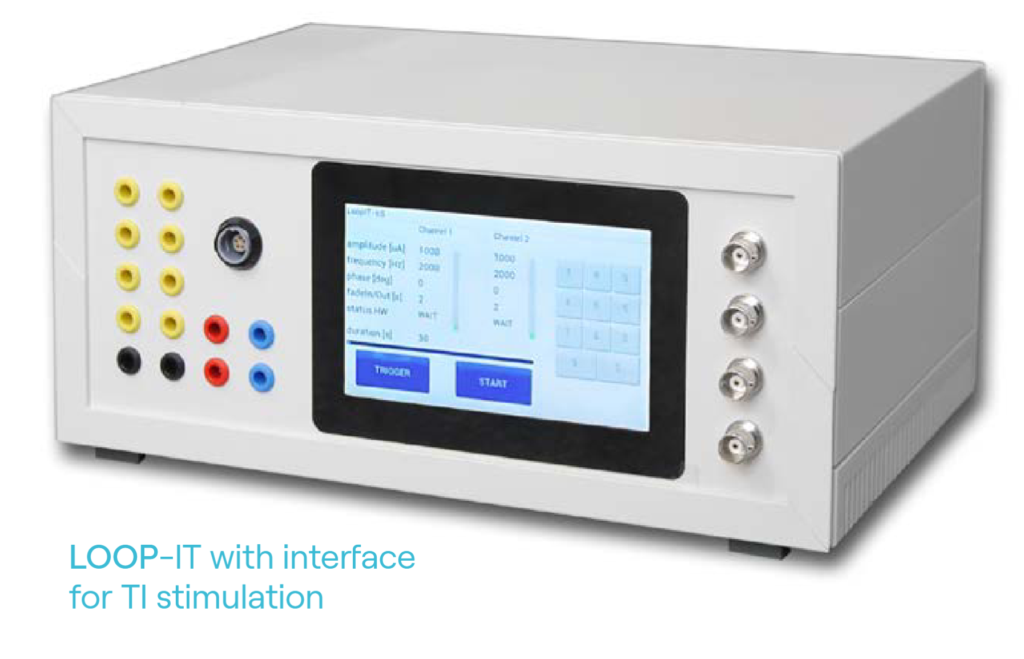
The LOOP-IT's front panel is depicted with its touchscreen interface, 8x EEG inputs, 2x tES outputs, 4x BNC outputs, and a special port.
The neuroConn LOOP-IT is an all-in-one solution for closed loop EEG-tES, TMS-EEG, and EEG-tFUS.

neuroConn LOOP-IT

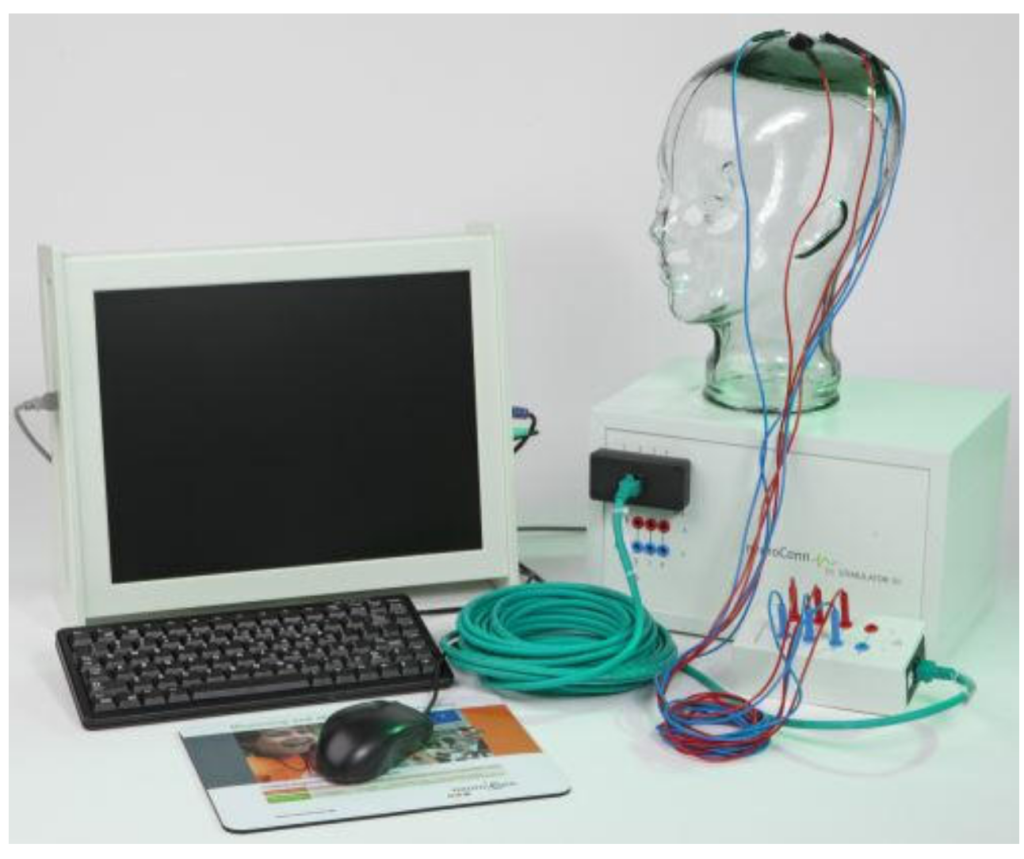
neuroConn DCMC is pictured with its control panel PC, keyboard, and mouse, along with 4x stimulation channels connected to a glass head via rubber electrodes.
An expandalbe multi-channel transcranial electrical stimulation (HD-tES) platform.

neuroConn DC-STIMULATOR MC

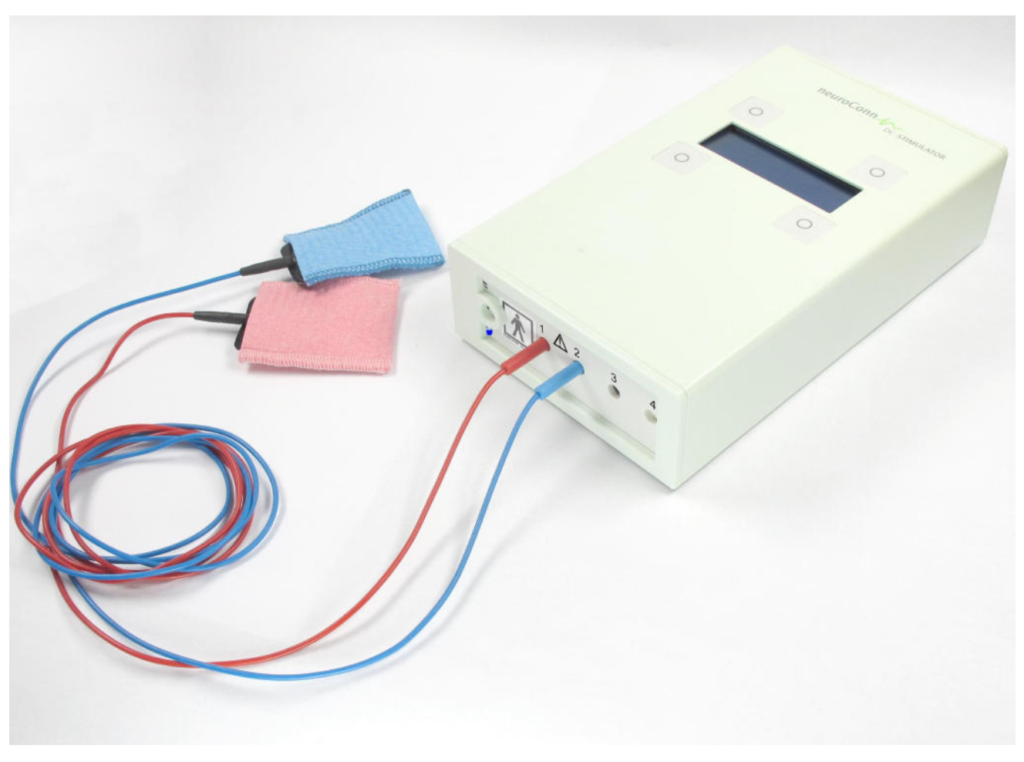
neuroConn DC-STIMULATOR PLUS is depicted laying on a table with a pair of rubber/sponge electrodes connected.
A capable and powerful one-channel transcranial electrical stimulation (tES) tool.

neuroConn DC-STIMULATOR PLUS

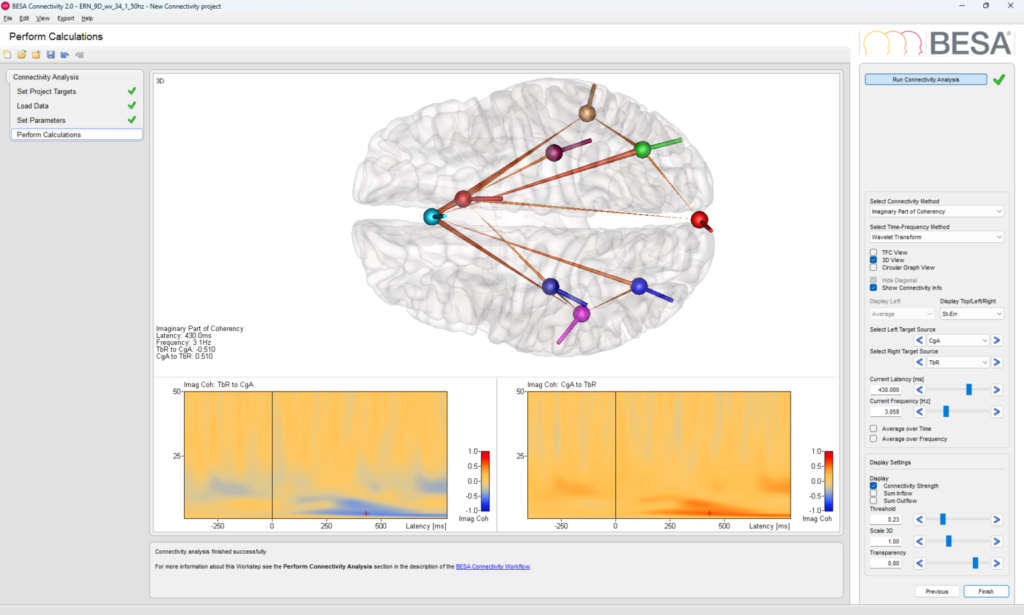
The BESA Connectivity software interface is a workflow-based GUI that walks you through the connectivity analysis of your choosing. Here you see the results of a Coherence analysis between multiple regional sources (source space, frequency anlaysis).
BESA Connectivity is a stand-alone module that extends BESA Research with streamlined, user-guided workflows for time–frequency and connectivity analysis of EEG and MEG data (in both scalp and source space). With multiple time–frequency and connectivity analysis methods supported, you can run batch analyses across subjects and easily visualize results using a variety of 2D and 3D renderings. The output is also ready for direct import into BESA Statistics.

BESA Connectivity 2.0

View Other Application Fields

Website Search

Schedule a call with our Consultants​

Please select your area to schedule an introductory call with one of our Scientific Consultants.

script here