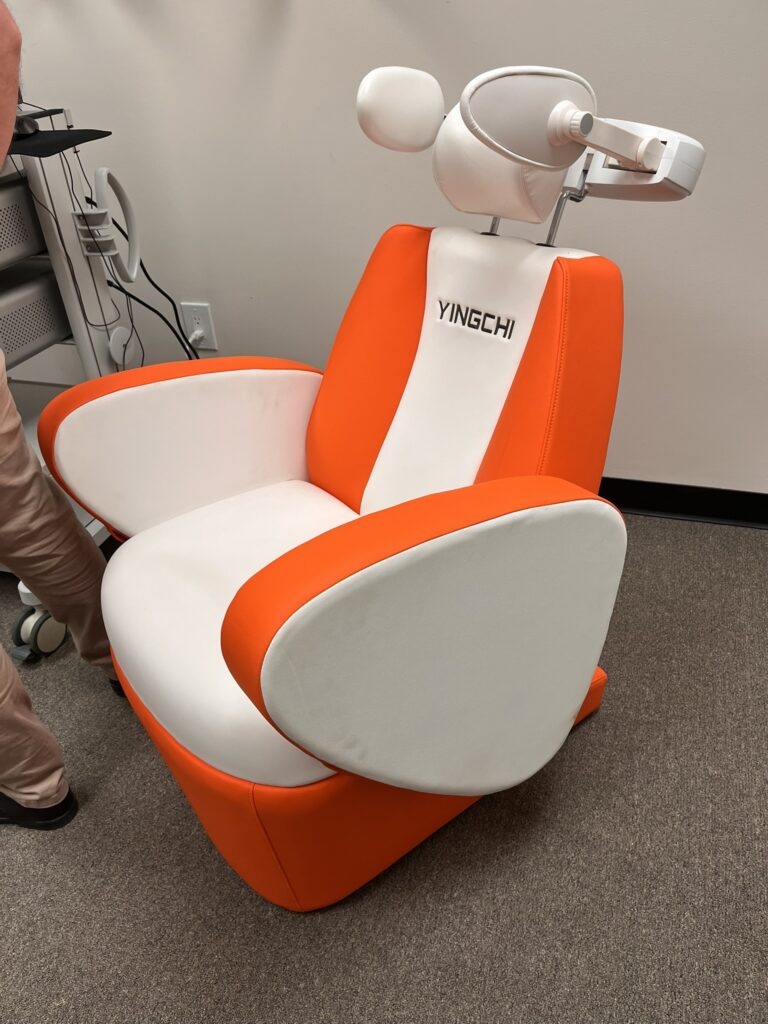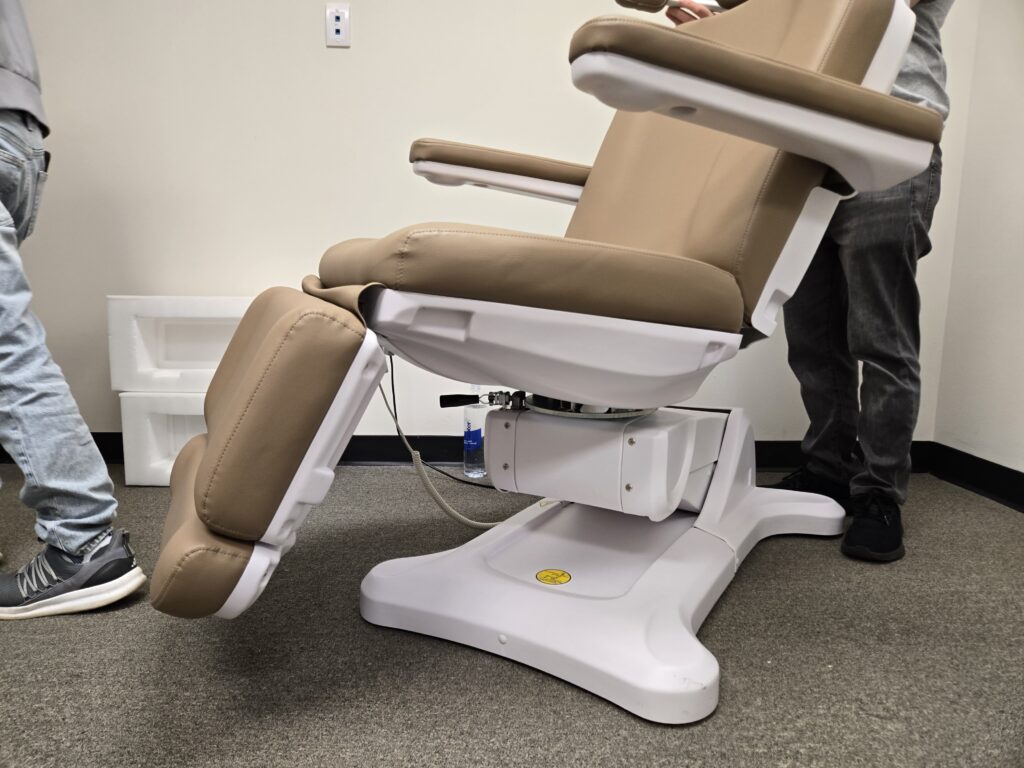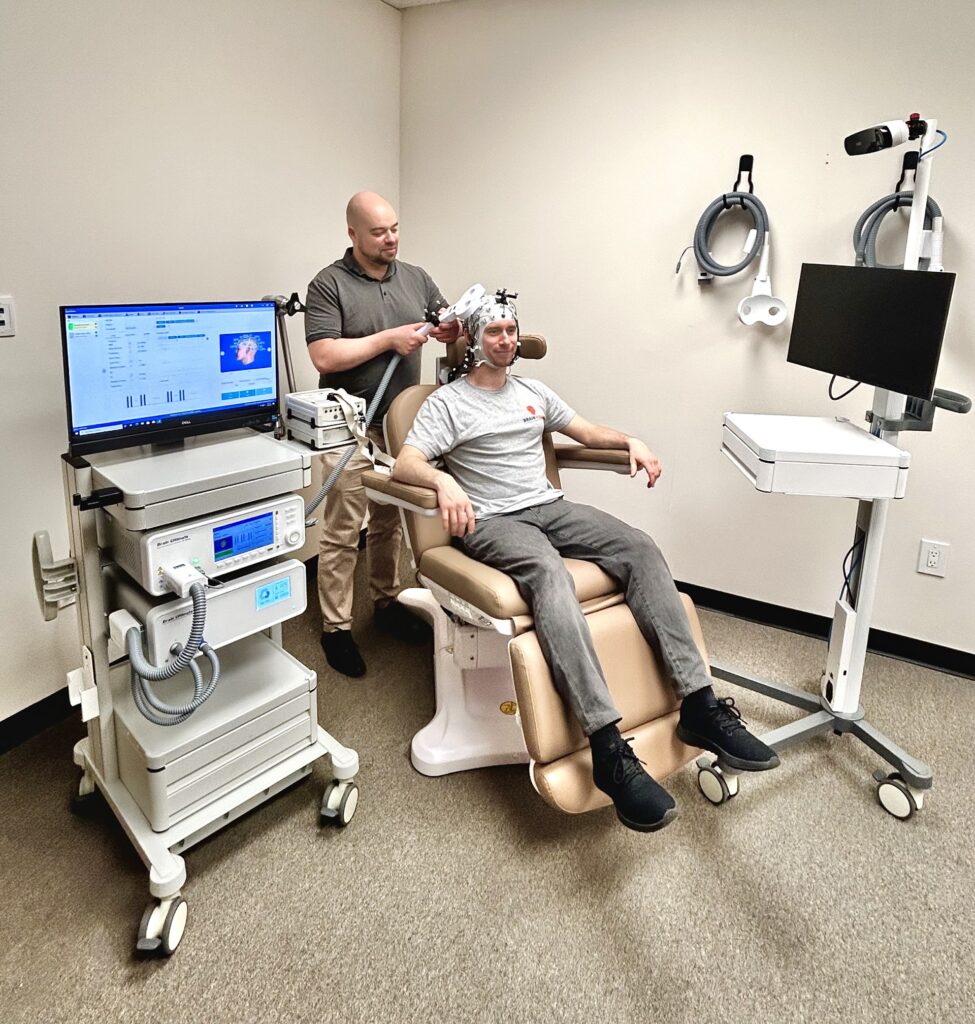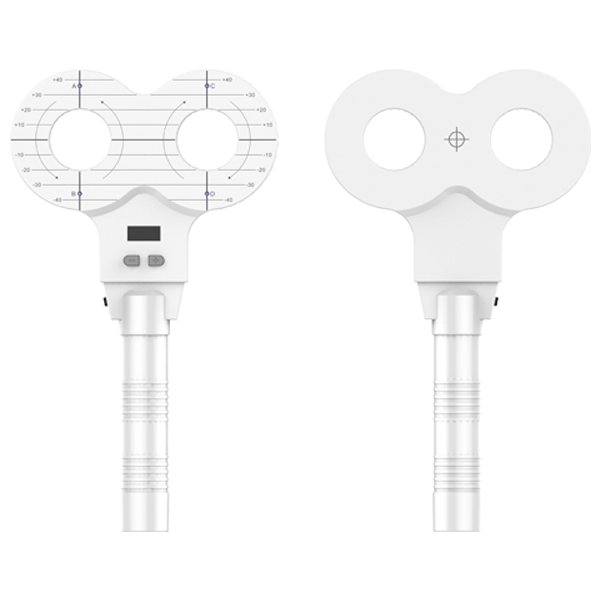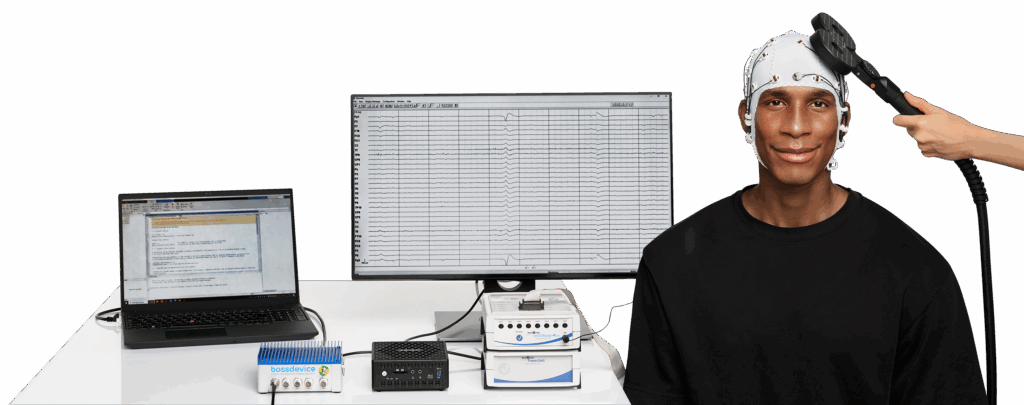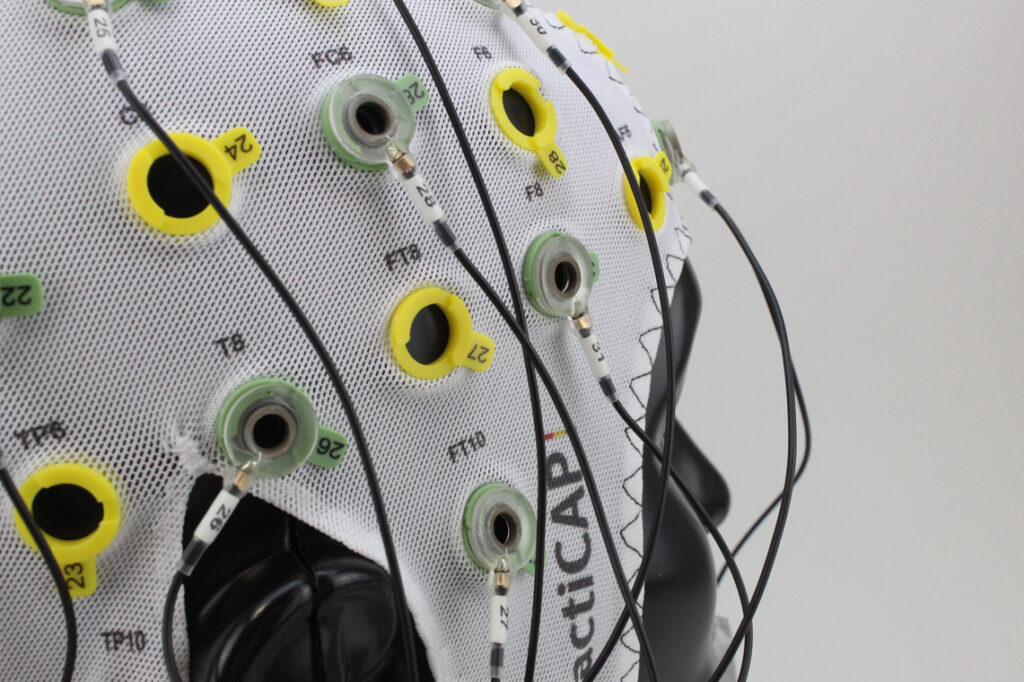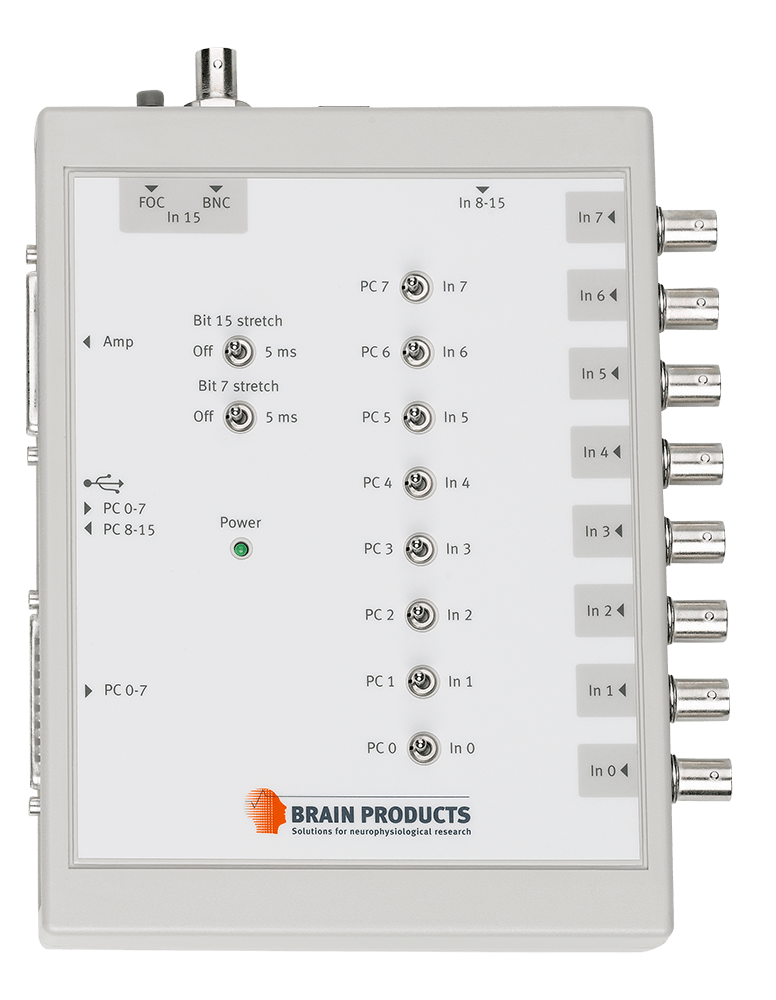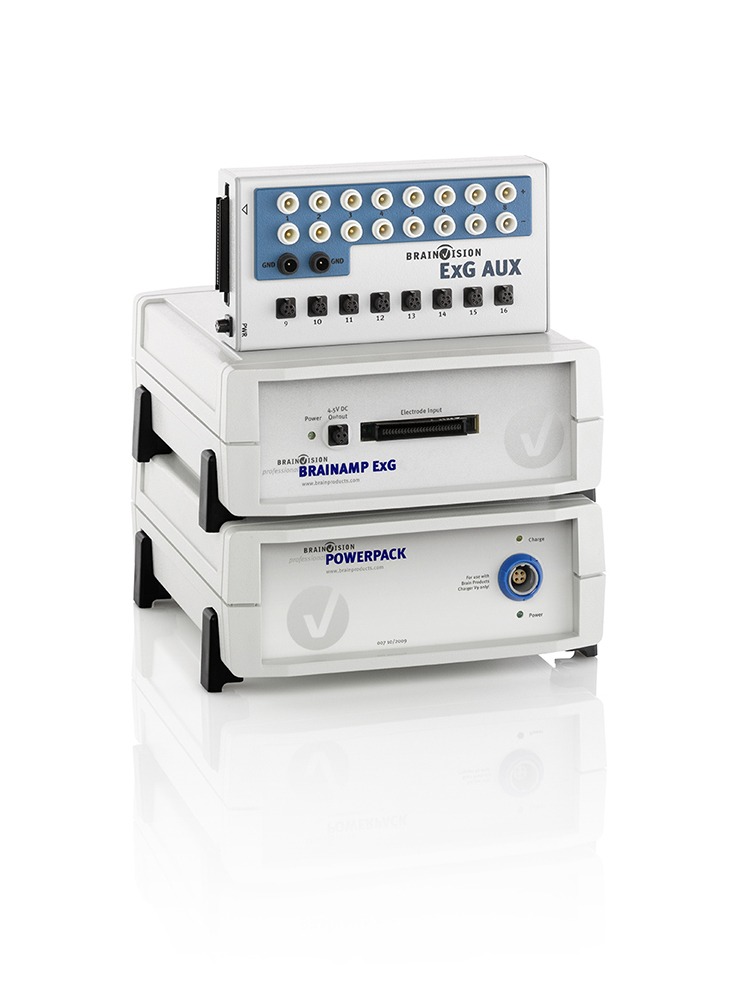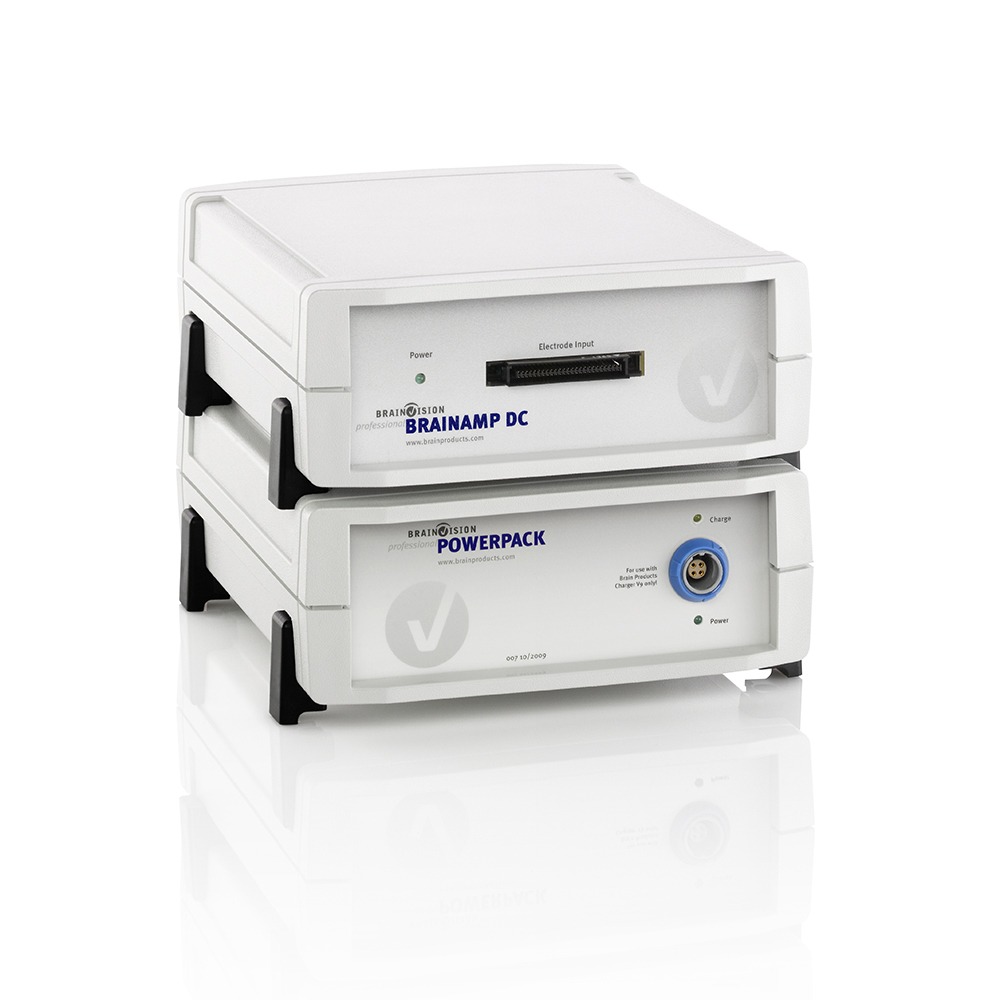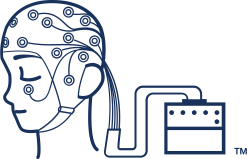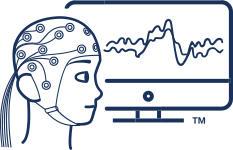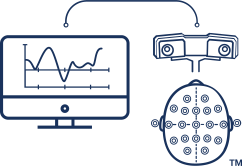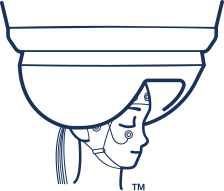
Transcranial magnetic stimulation (TMS) uses electromagnetic coils to induce brief electrical activation of brain cells in specific cortical regions. Depending on the stimulation pattern, duration, and frequency, the effects of TMS can be either short-lived or longer-lasting (i.e., repetitive TMS, rTMS), making it an attractive modality for researchers interested in studying brain modulation without surgery or electrode implantation. TMS is generally well-tolerated by participants and has demonstrated efficacy in the treatment of major-depressive disorder, obsessive compulsive disorder, and smoking cessation, making it among the first noninvasive brain stimulation modalities to receive FDA-approval. TMS is a great tool for studying brain circuitry and connectivity (i.e., temporarily exciting one area of the cortex and observing how cognitive and motoric processes are affected). Combining TMS with EEG allows researchers to better examine changes in the brain’s electrical activity following electromagnetic stimulation. Traditionally, many researchers who have combined TMS with EEG have limited their experiments to blocked designs (e.g., EEG-TMS-EEG) because the strength of the TMS pulse often results in saturation of the EEG amplifier and/or a long-lasting electromagnetic artifact that contaminates the underlying EEG signal. However, recent advances in amplifier technology have made it possible to record EEG concurrently during a TMS pulse. We are proud to offer an unparalleled solution for TMS-EEG experiments that can recover from a TMS pulse within 2ms.