
The ODIN software platform is familiar to movement analysis researchers, clinicians, and biomechanists around the world. ODIN takes you through the entire 3D movement analysis process including:
- Data acquisition from multiple sensors and measurement devices
- Real-time monitoring of data inputs
- Long-term data storage and retrieval
- Analysis of 3D and spatio-temporal data, and display of results
- Sharing of data and protocols with others in the same location and remotely
- Printed reports
With ODIN you can:
- Load ready-made acquisition and movement analysis protocols so that you can quickly gather and analyze data based on established conventions
- Build your own analysis protocols using simple dialog boxes (no scripting required) so that you can develop new applications of movement analysis
- Learn or teach the principles of movement analysis and biomechanics using simple building blocks
- Share protocols and data with others in industry standard file formats so that you can engage with colleagues in the movement analysis community
- Manage large collections of data in a data store
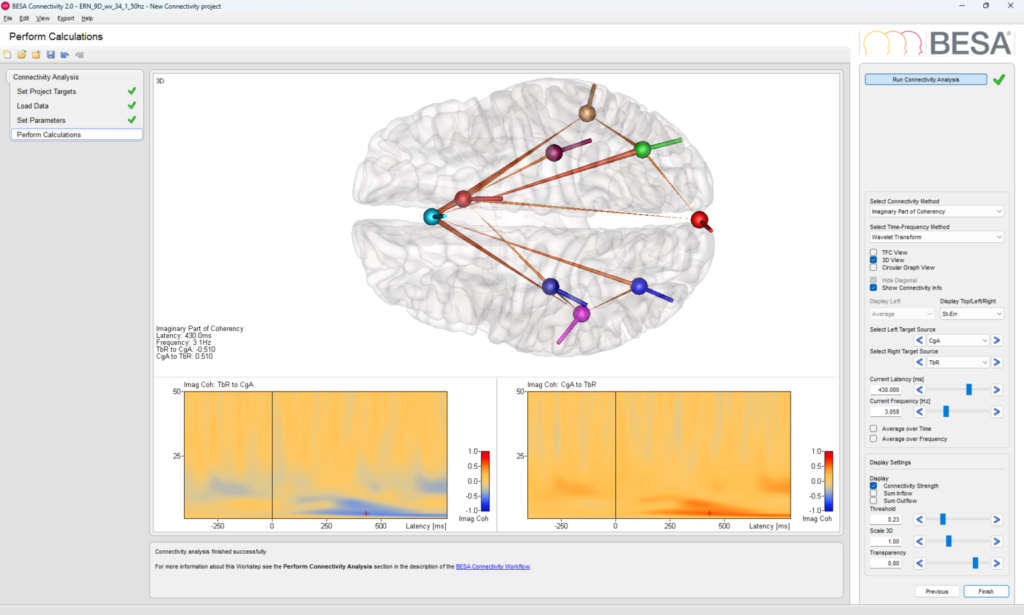
- See 3D visualizations of data analysis in real-time and offline
- Work seamlessly with Codamotion CX1 and CXS units to provide totally automatic 3D marker labelling, thanks to unique marker identities provided by those systems
- Work with cluster and pointer technologies
- Acquire synchronized data from a variety of sensors including force platforms and EMG and then process them together with kinematic data, to provide comprehensive analysis
- Allow advanced users to import their own bespoke analysis algorithms as Python scripts so that novel methods can be used whilst retaining the benefits of the ODIN framework
- Openly see the entire data processing chain