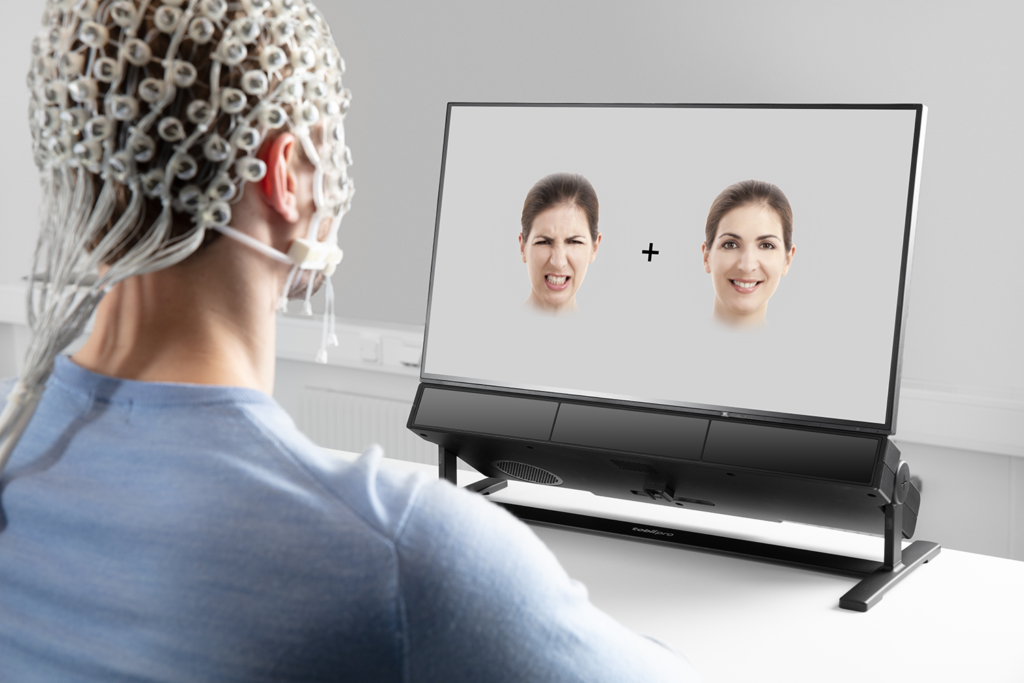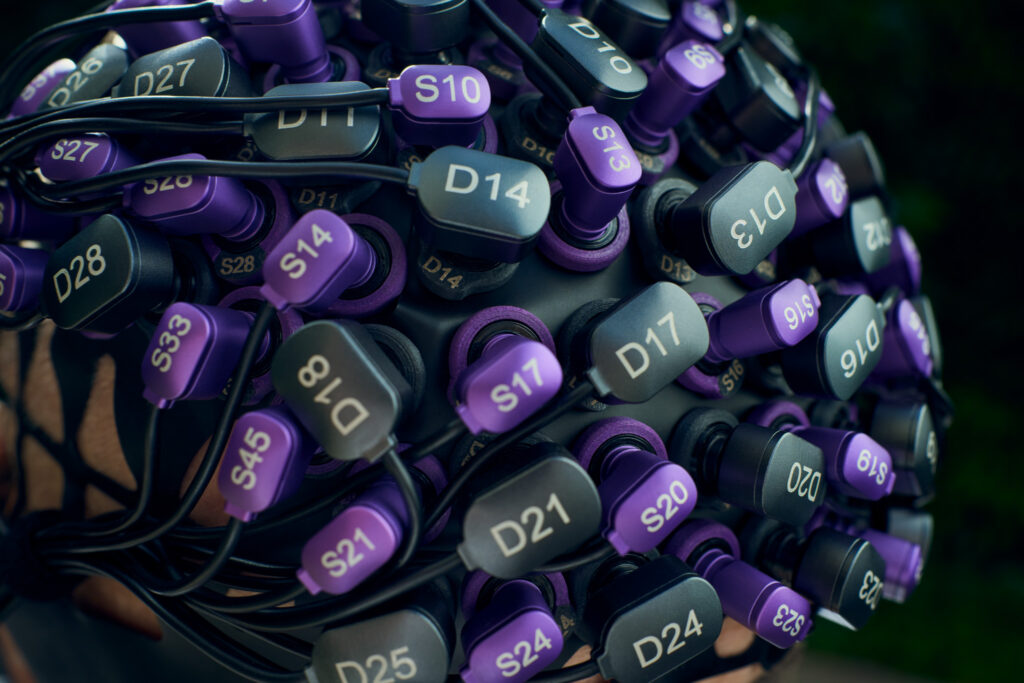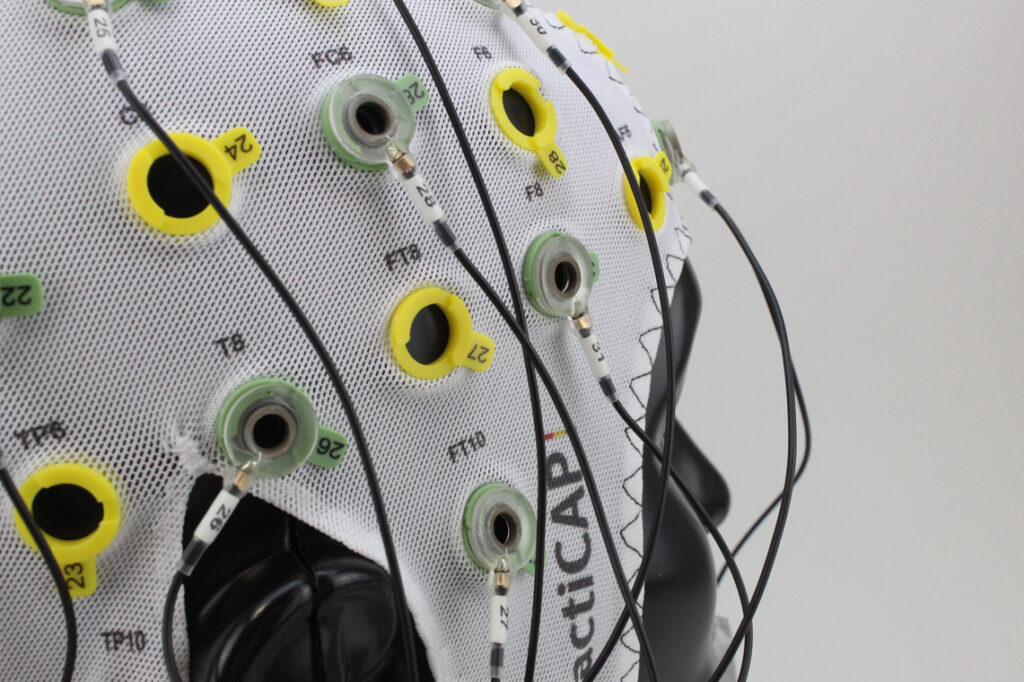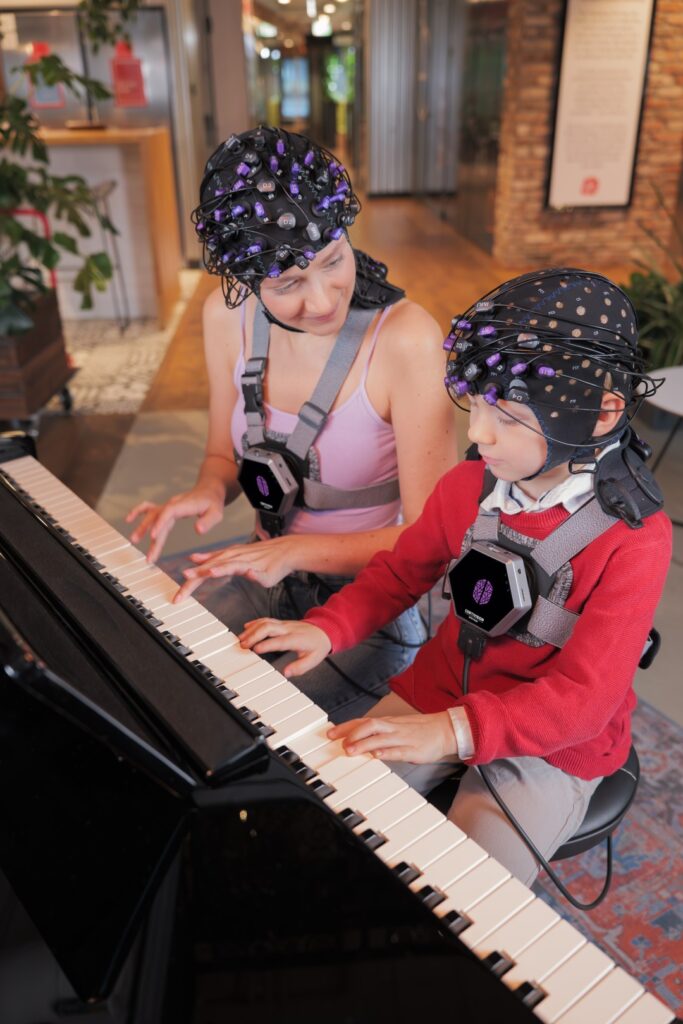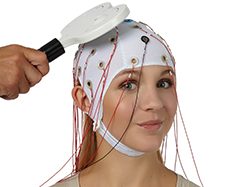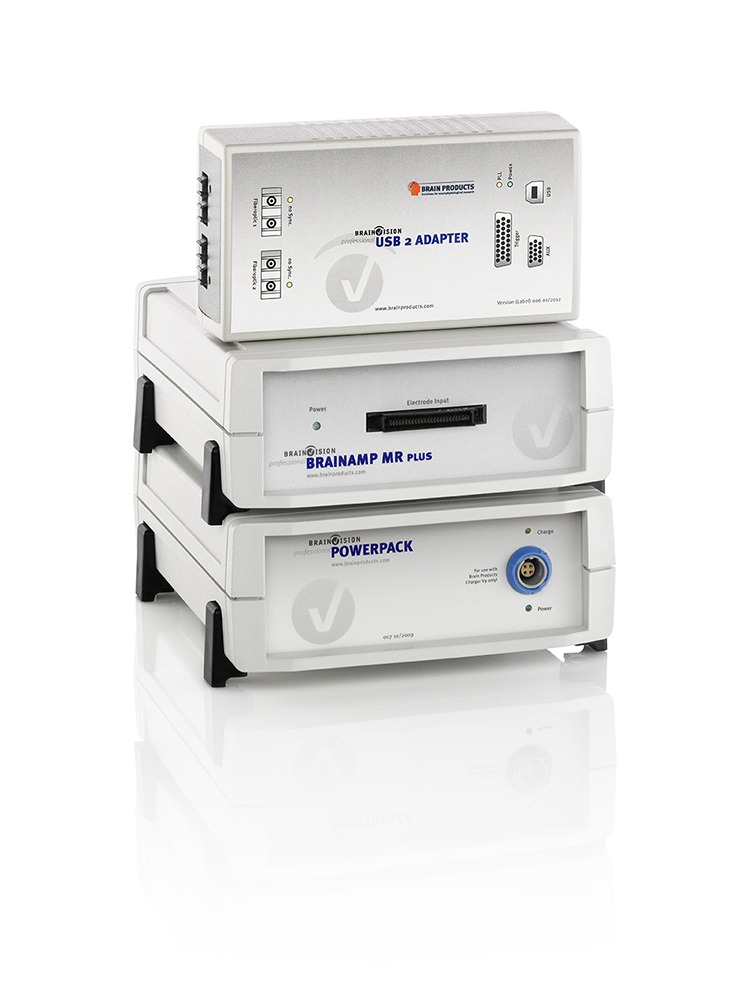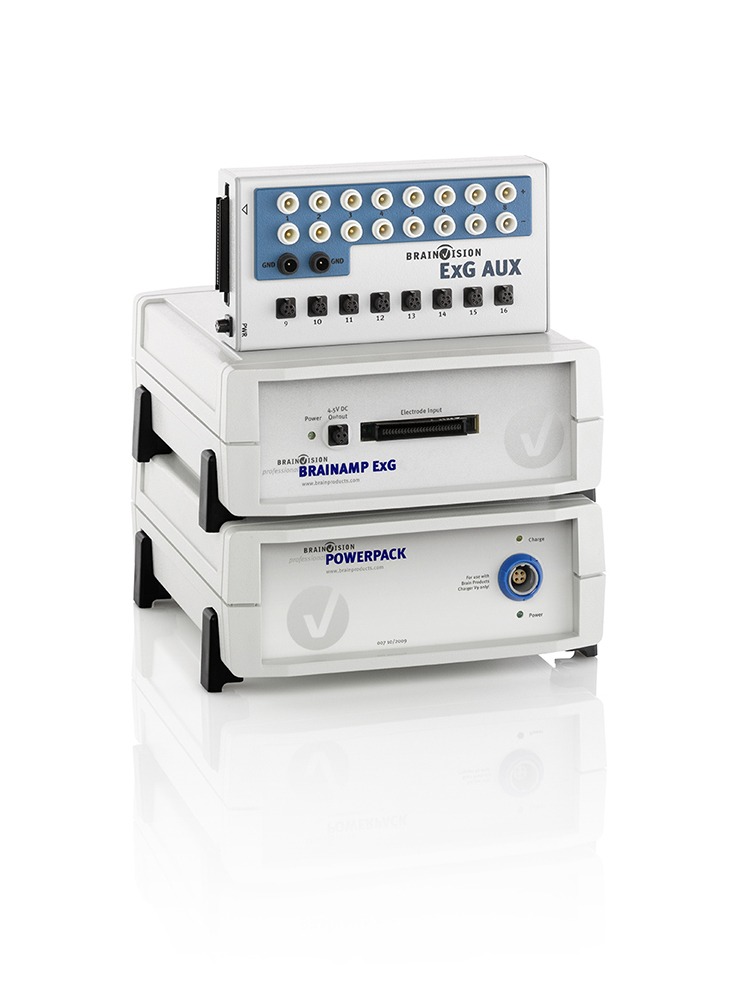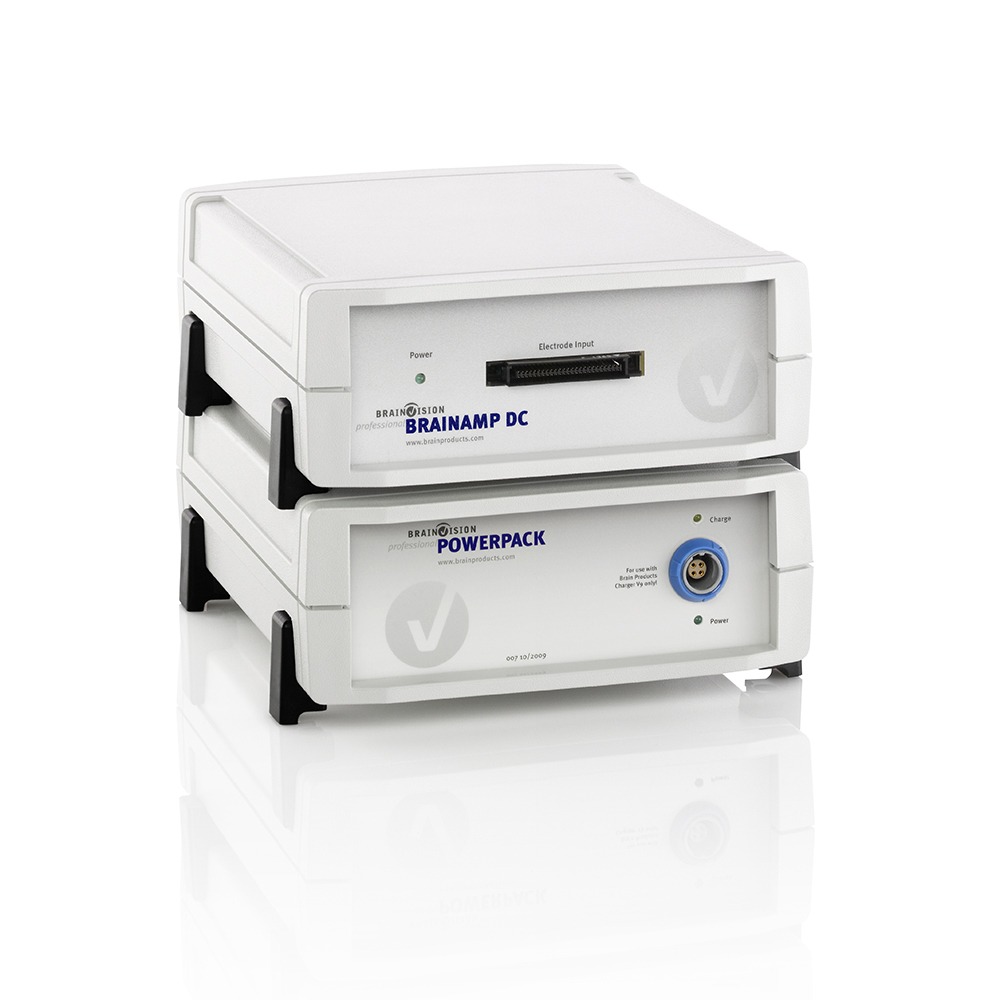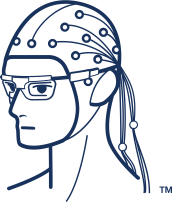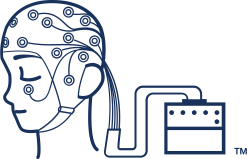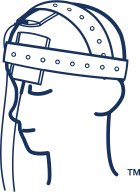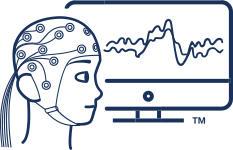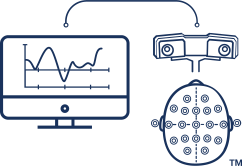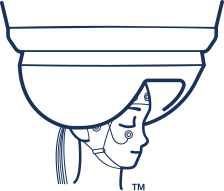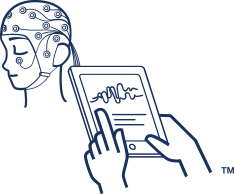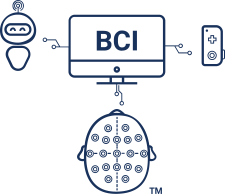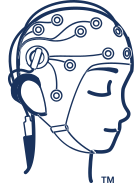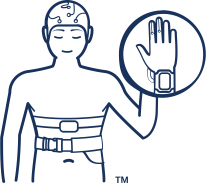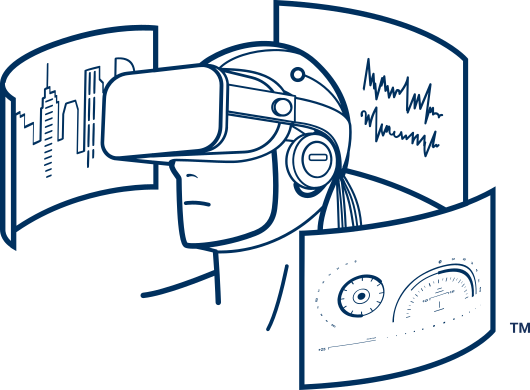
Virtual reality involves placing participants in simulated computerized environments. Often, participants wear a headset with goggles that project 3D images or videos onto their retinas, creating the sensation of immersion in the environment. Virtual reality allows cognitive scientists and psychophysiologists to address novel questions about the brain and behavior in controlled settings that may range from fantastic (e.g., riding a roller coaster or teleporting to different realms) to realistic (e.g., solving puzzles or walking through mazes). Advances in mobile brain and body imaging (MoBI) technologies have incentivized researchers to combine virtual reality with electroencephalography (EEG). Being able to wear an EEG system and freely move around while engaging with the virtual reality environment allows for the collection of data that is more ecologically valid. We offer several options for lightweight wireless EEG amplifiers that are perfect for use in virtual reality settings. We also offer caps that have built-in harnesses for the virtual reality goggles – simply remove the headset and attach the goggles directly to your EEG cap. This process maximizes participant comfort (i.e., eliminating added pressure of the headset on the electrode positions) without sacrificing electrode density and scalp coverage.