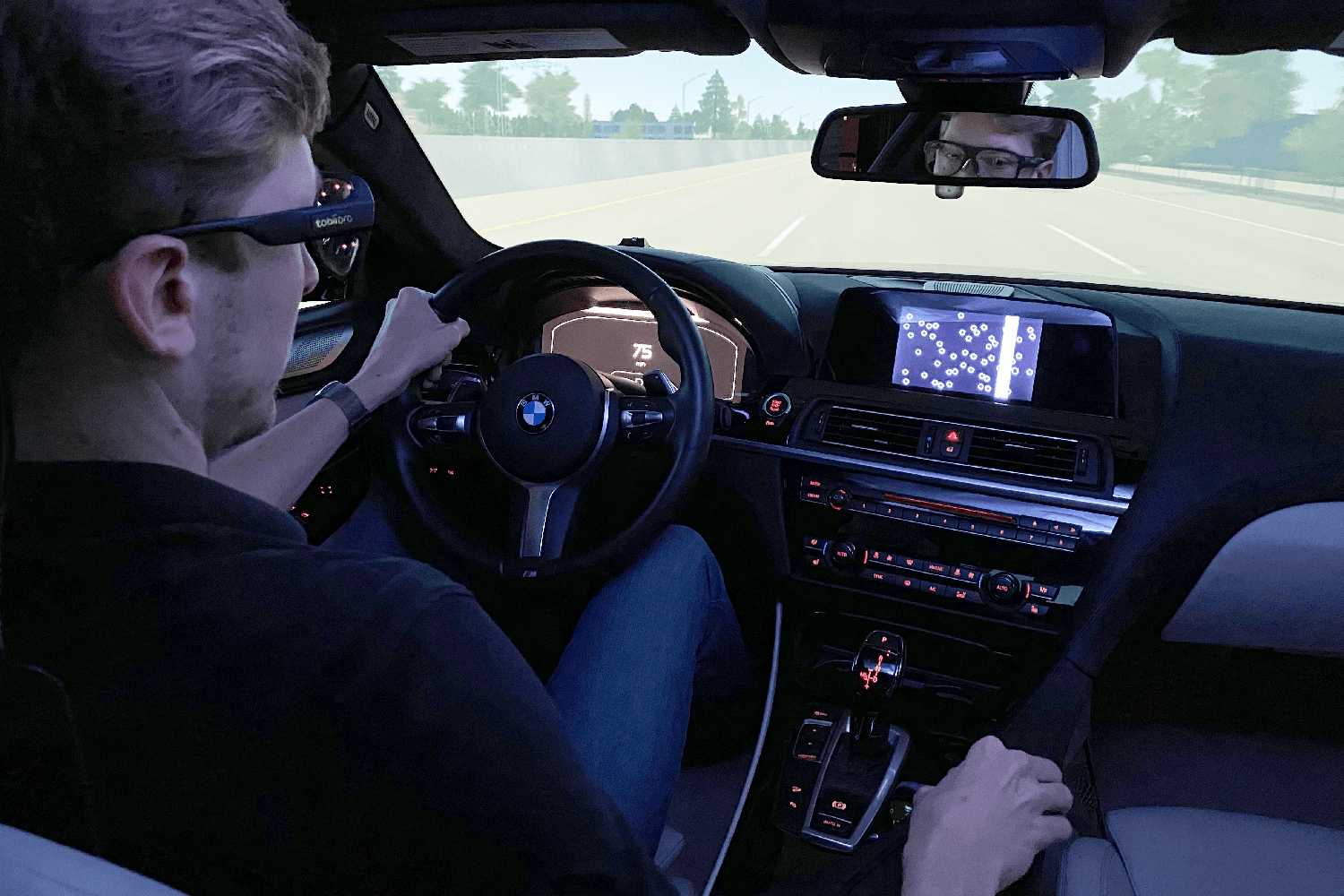
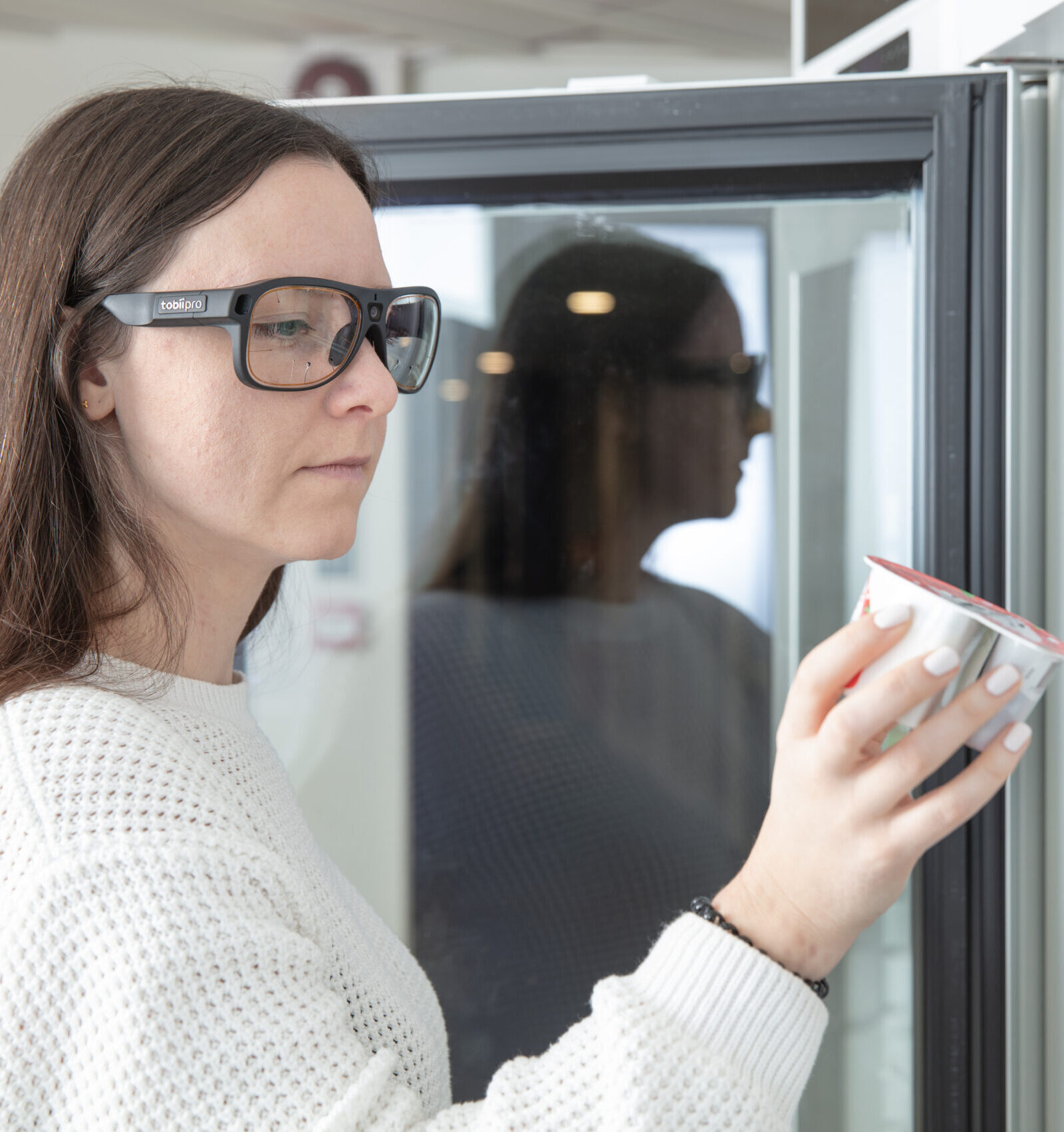
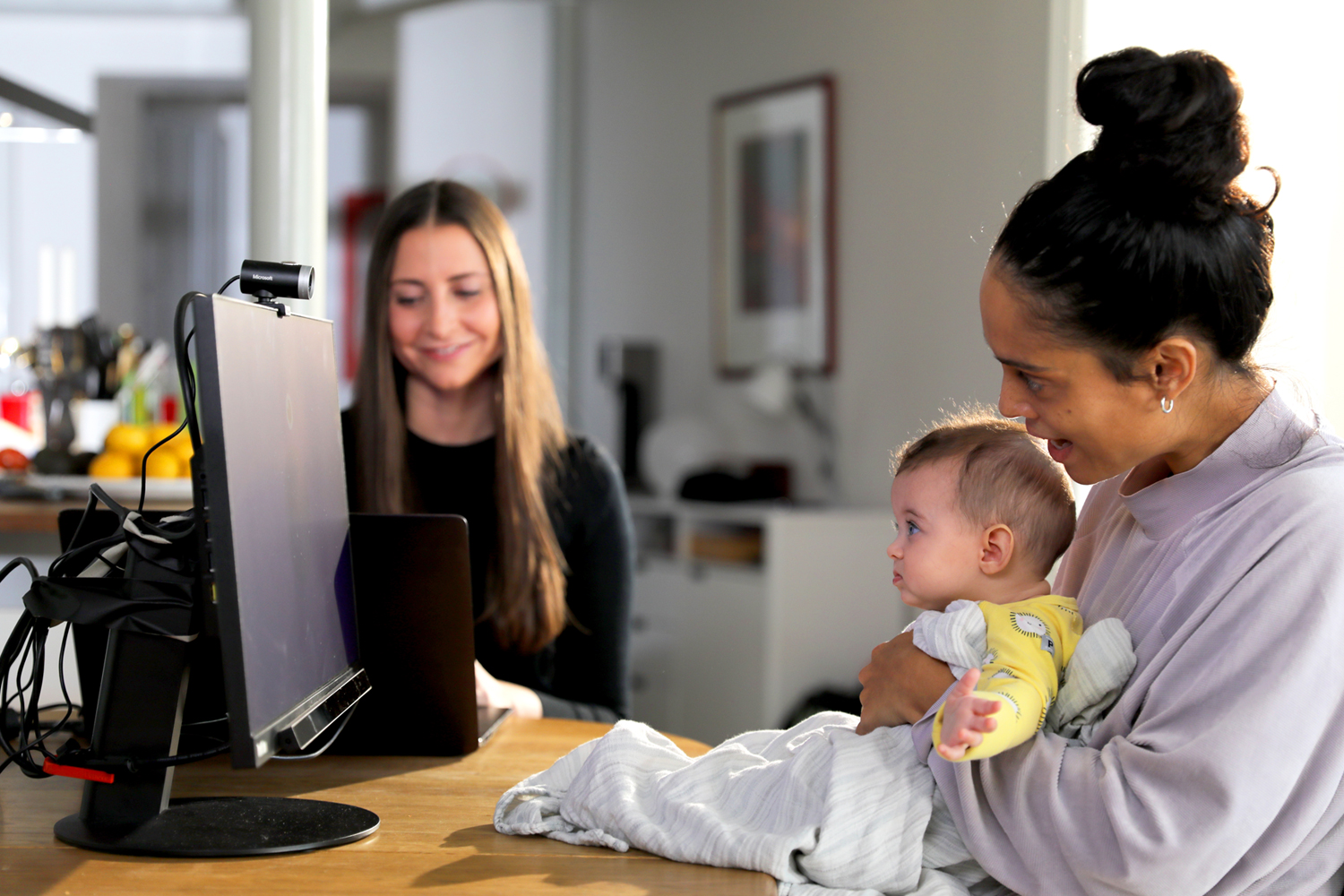

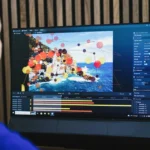
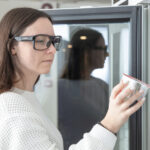


Eye tracking is the measurement of eye position and movement over time, typically using infrared cameras to quantify the gaze location, saccades, fixations, blinks and pupil diameter with high temporal precision. Eye tracking can provide objective information about where a participant is looking and how visual attention is allocated.
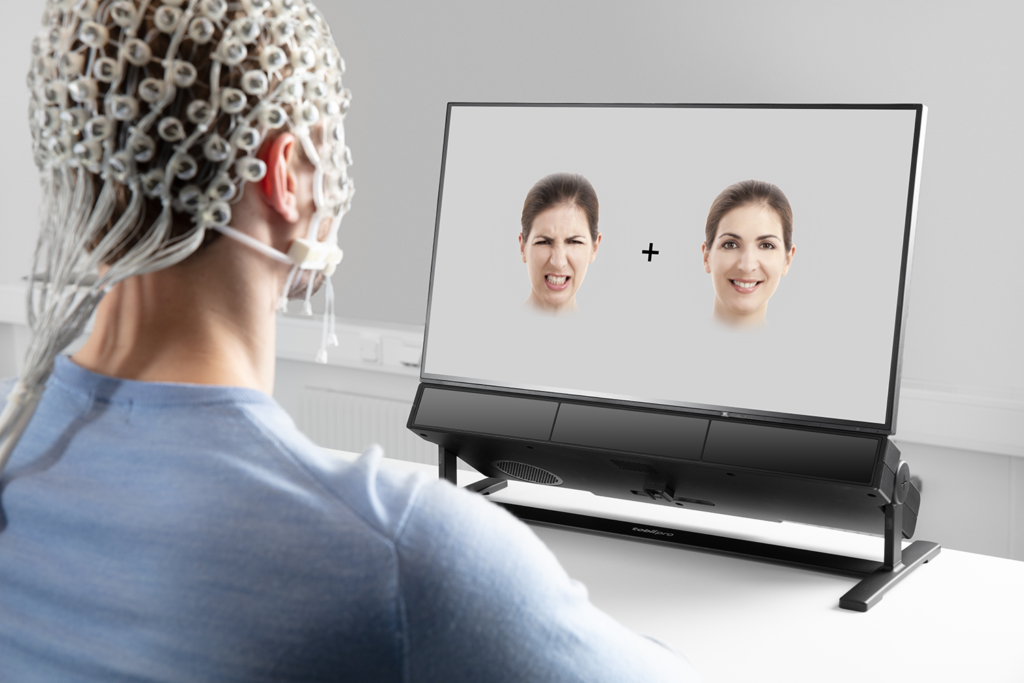
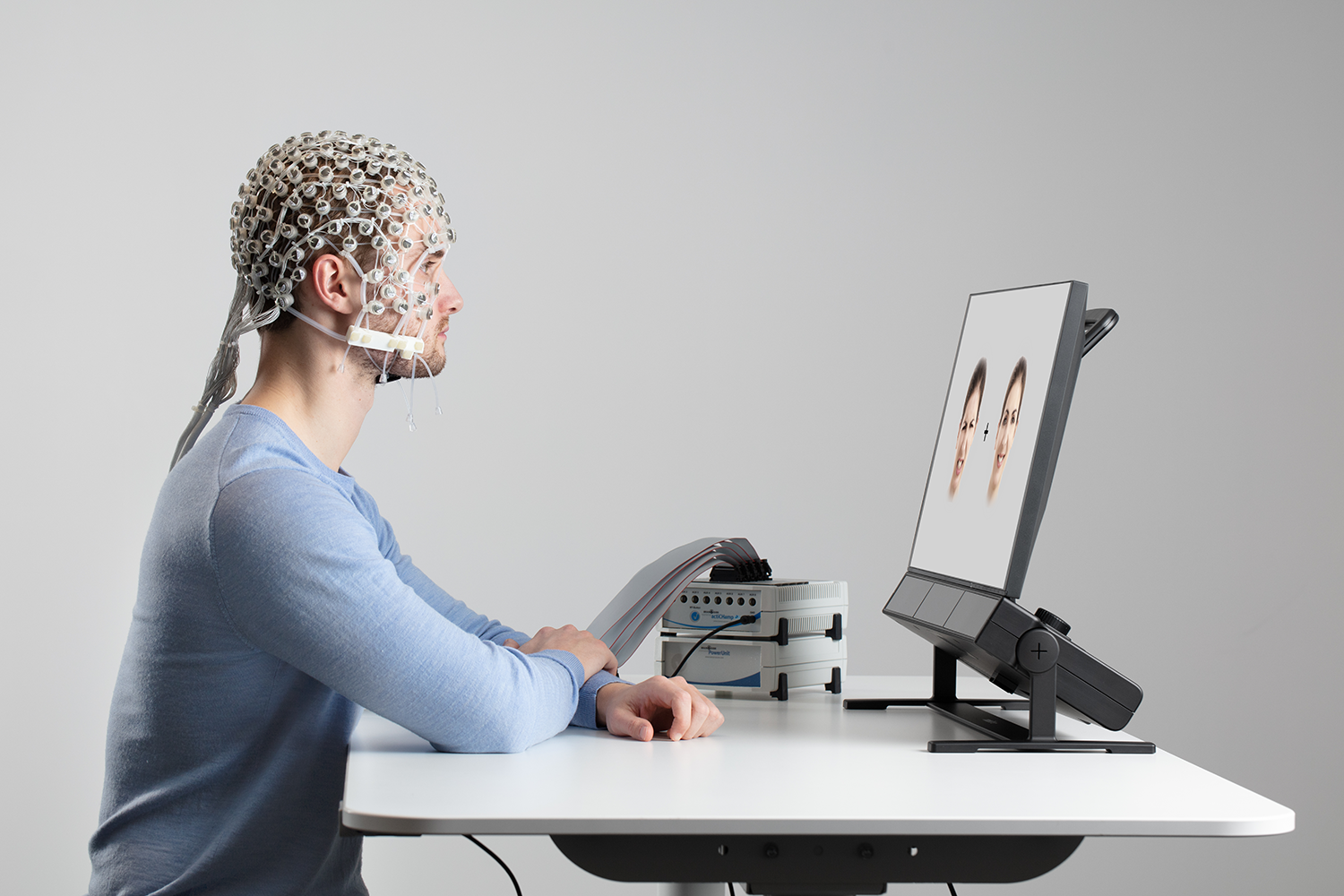
Adding eye tracking to an experiment that is focused on other measures (such as EEG, fNIRS, HRV, respiration, GSR/EDA, etc) can be useful for elevating your research.
Eye tracking offers behavioral context for interpreting neurophysiological data. Although changes in the EEG, fNIRS, and peripheral physiological data reflect underlying neural dynamics, they do not inherently specify whether, or to what, the participant was visually attending during the task. You can use eye tracking data live during an experiment to only advanced to the next trial if a participant is attending to the stimuli on screen, thus increasing your signal to noise by excluding trials that reflect an inattentive participant.
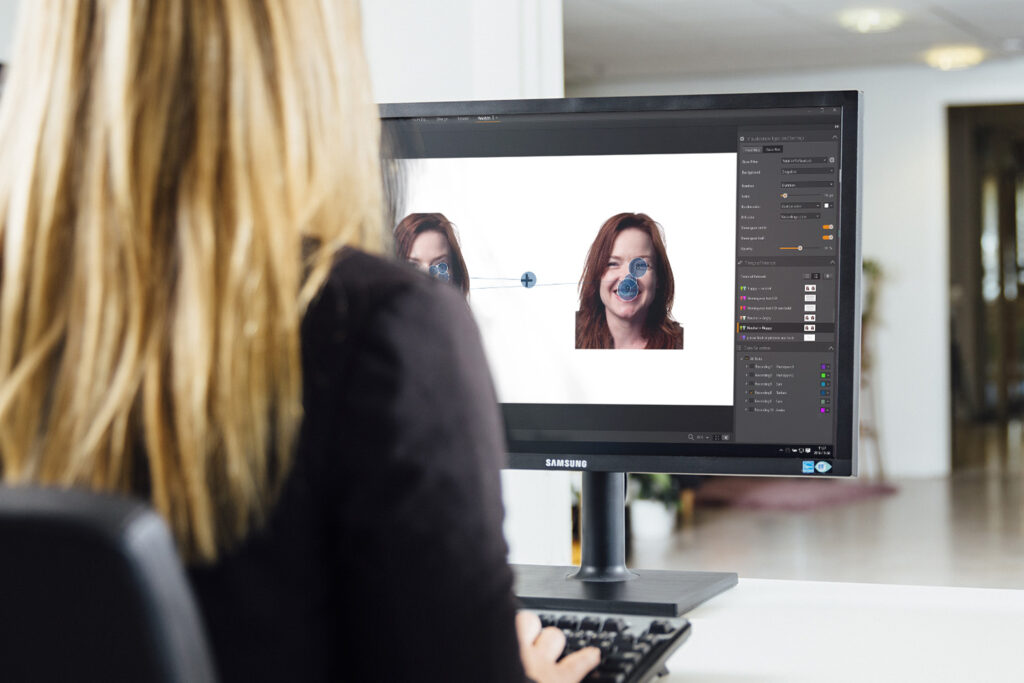
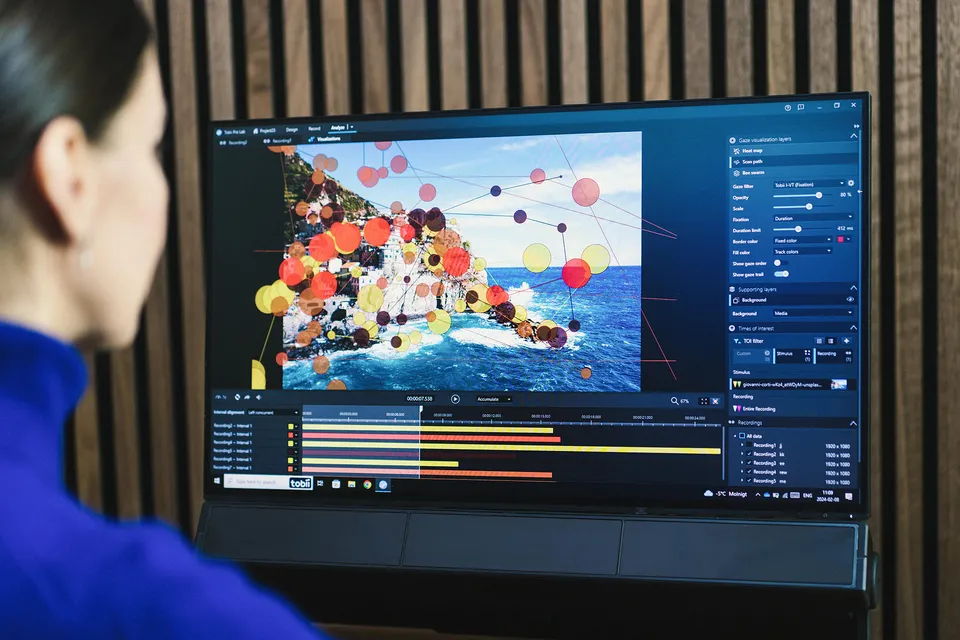
You can also use eye tracking data offline to enrich your data analyses. Gaze position and fixation metrics can be directly linked to attentional allocation, offering an objective measure of what information is being sampled at any given moment. Furthermore, pupil diameter serves as a quantifiable index of cognitive load and emotional or autonomic processes, adding another dimension to the interpretation of neural activity. The order of fixations can clarify stimulus prioritization, reveal decision making strategies, and identify atypical visual exploration patterns. This is particularly relevant in clinical research, where differences in gaze sequencing and attentional bias have been observed in conditions such as autism spectrum disorder, major depressive disorder, and Alzheimer disease. For instance, you could accomplish something like this by using the optional Add Channels Module in BrainVision Analyzer 2 for gaze contingent analyses of EEG.
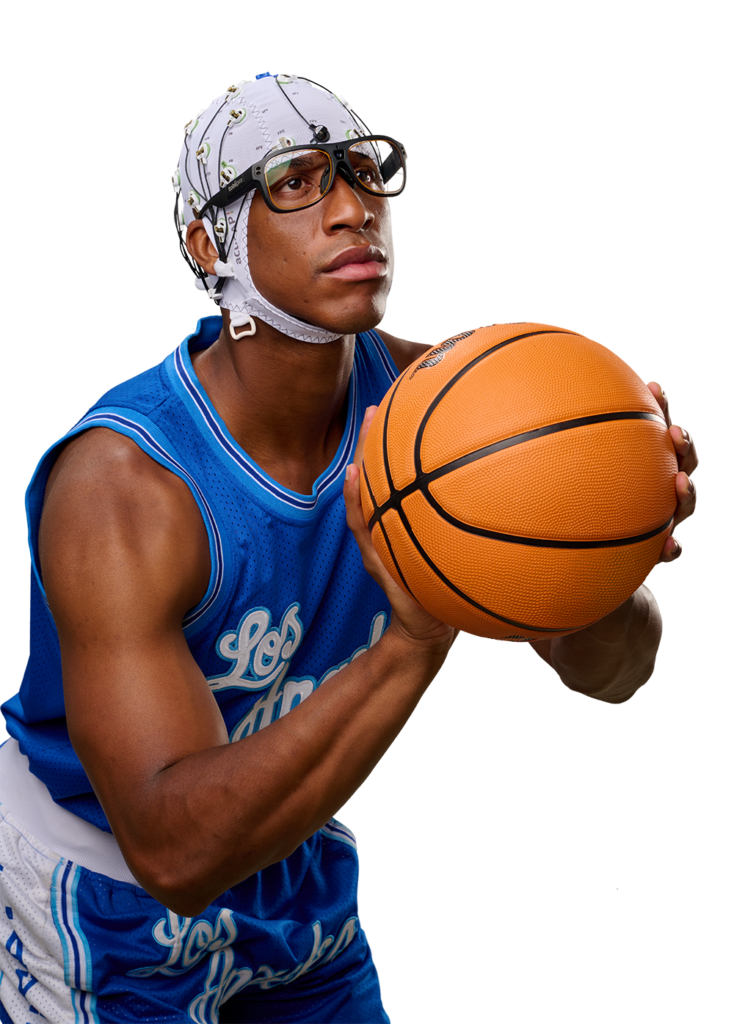
Ask us how you can add eye tracking to your next stationary or mobile experiment!